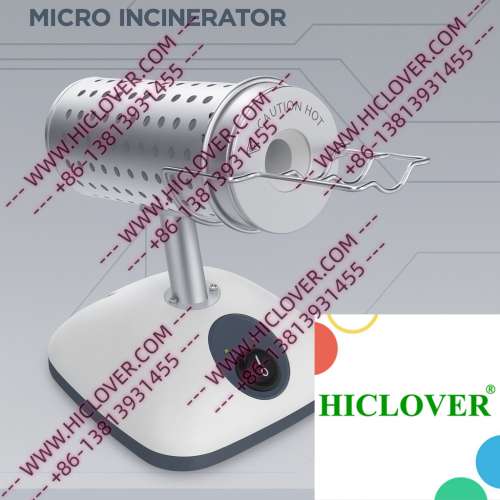
The modern laboratory environment presents a myriad of biosafety challenges, particularly regarding sterilization workflows in settings such as hospitals, universities, and research centers. In Penang, the demand for high-efficiency sterilization equipment is surging as medical facilities seek to enhance their laboratory practices. Among the critical equipment, the Micro Incinerator or Infrared Inoculating Loop Sterilizer stands out for its rapid thermal sterilization capabilities, improving contamination control and ensuring compliance with international safety standards.
Biosafety Compliance and Sterilization Standards
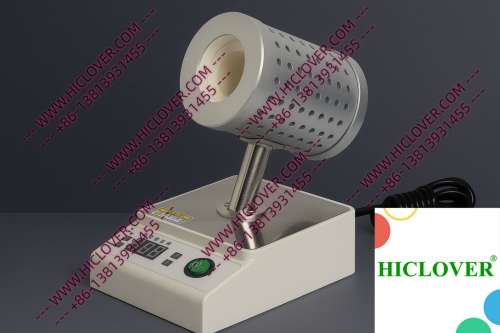
When handling biological samples in BSL-2 or BSL-3 microbiology labs, adherence to biosafety protocols is paramount. The World Health Organization (WHO) sets stringent guidelines for lab sterilization, emphasizing the need for effective, clean, and safe working environments. Traditional flame sterilizers, while effective, can introduce unwanted variables such as aerosols and flammable materials into clean spaces. In contrast, the Micro Incinerator provides an aerosol-free handling solution, making it suitable for clean benches and sterile environments.
Technical Principles of the Micro Incinerator
The Micro Incinerator operates on the principle of infrared high-temperature disinfection. Unlike traditional Bunsen burners or alcohol lamps, this device utilizes an enclosed ceramic tube that heats up to 800 °C in just a few seconds. This extreme temperature ensures that any potentially contaminating organisms on inoculation loops or needles are eradicated swiftly and efficiently.
This design mitigates exposure to direct flames, making it clean-bench-safe and ideal for laboratories where airflow control is critical. The infrared heating mechanism ensures rapid thermal sterilization, significantly reducing wait times and enhancing overall workflow efficiency.
Applications of the Micro Incinerator in Real Labs
- Biosafety Cabinets: In a BSL-2 laboratory setting, researchers often rely on the Micro Incinerator for sterilizing equipment before and after handling sensitive biological materials. The absence of open flames minimizes risks and maintains the integrity of the controlled environment.
- Field Testing Labs: During mobile testing scenarios, such as during disease outbreaks, the Micro Incinerator serves as a portable and reliable method for sterilizing tools in the field, ensuring high compliance with safety standards even in less-than-ideal conditions.
- University Teaching Labs: Educational institutions benefit from incorporating the Micro Incinerator into their laboratories. Students can safely learn sterilization techniques without the hazards associated with traditional flame sterilization.
Advantages Over Traditional Flame Sterilizers
The advantages of using Micro Incinerators against traditional flame sterilizers are substantial:
- Speed: Rapid heating and cooling times allow for efficient workflow.
- Safety: The closed ceramic chamber reduces the risks of burns and fire hazards.
- Contamination Control: Eliminates the production of aerosols and minimizes contamination risks.
- Cost-Effectiveness: Long-term reduction in materials and maintenance costs due to lower risk of accidents.
Comparison Table: Micro Incinerator vs. Traditional Flame Burners
| Criteria | Micro Incinerator | Traditional Flame Burners |
|---|---|---|
| Heating Method | Infrared | Open Flame |
| Temperature Control | Precise and stable | Variable, dependent on user skill |
| Safety | High (no flames) | Moderate to low (flammability risks) |
| Startup Time | Seconds | Minutes |
| Mobility | High (portable) | Low (bulky equipment) |
FAQs
What are the main benefits of using a Micro Incinerator for sterilization?
The Micro Incinerator’s rapid thermal sterilization, safety features, and enhanced contamination control make it an optimal choice for modern laboratories.
Is the Micro Incinerator suitable for BSL-3 labs?
Yes, it meets stringent biosafety standards and can be used safely within BSL-3 facilities.
How does the Micro Incinerator compare in terms of cost?
While initial investments might be higher, the reduced risk of accidents and increased efficiency lead to long-term cost savings.
Can the Micro Incinerator be used in field testing?
Absolutely! Its portable nature and quick startup time make it ideal for mobile lab settings.
What makes it safer than traditional flame sterilizers?
The closed ceramic chamber ensures no open flames, significantly lowering the risk of burns and fire hazards in the lab.
Conclusion
As medical facilities in Penang strive to enhance their laboratory practices, the Micro Incinerator or Infrared Inoculating Loop Sterilizer presents an innovative solution for sterilization. Emphasizing safety, speed, and compliance, this technology not only transforms laboratory workflows but also supports stringent biosafety standards. For laboratories looking to improve efficiency and reduce risks, investing in a Micro Incinerator is a step toward a safer, more effective operational future. To learn more or to make a purchase, please contact us today!
Categories:
Tags: