
In the bustling laboratories of Athens, the efficient sterilization of materials and tools is paramount for maintaining laboratory biosafety. With heightened awareness regarding contamination control and infection prevention, the demand for reliable and effective sterilization methods has surged. Traditional flame sterilizers, such as alcohol lamps and Bunsen burners, are being re-evaluated due to safety concerns and the need for a cleaner, more controlled environment. This article delves into how portable loop sterilizers, particularly the Micro Incinerator or Infrared Inoculating Loop Sterilizer, are transforming sterilization workflows in laboratories.
The Need for Effective Laboratory Sterilization
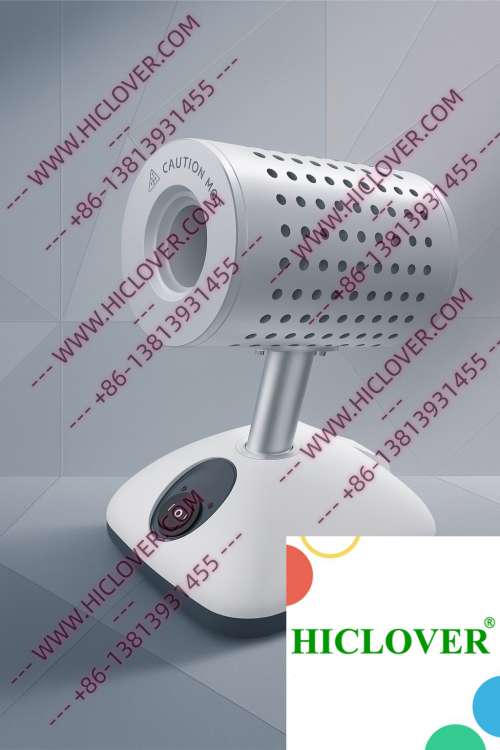
Laboratories, especially those operating at BSL-2 and BSL-3 levels, face unique biosafety challenges that require robust sterilization solutions. The increase in regulations surrounding laboratory hygiene emphasizes the importance of effective sterilization equipment. With the contemporary lab environment requiring more stringent controls, the traditional methods are proving inadequate. The introduction of portable sterilization devices addresses these challenges by offering rapid thermal sterilization, ensuring efficient workflows and enhanced safety measures.
Technical Principles Behind Infrared Sterilization
The Micro Incinerator utilizes an innovative infrared heating mechanism that delivers high-temperature disinfection without the hazards associated with open flames. Utilizing a ceramic heating chamber, this device provides direct, controlled heat to inoculating loops and other tools, reliably sterilizing them in mere seconds. This process eliminates the need for potentially dangerous open flames, thus dramatically reducing the risk of accidents or contamination incidents within sensitive environments, such as biosafety cabinets and cleanrooms.
Key Features of Portable Loop Sterilizers
- Rapid Sterilization: Achieves sterilization in seconds, enhancing workflow efficiency.
- Clean-Bench-Safe: Eliminates the risk of aerosol generation associated with flame sterilizers.
- Portability: Easy to transport, making it suitable for field testing and mobile laboratory applications.
- Reduced Chemical Usage: Lowers the reliance on alcohol or chemical sterilants, minimizing environmental contamination.
- Durable Design: Constructed with high-quality materials for longevity and reliability in demanding environments.
Application Scenarios in Modern Laboratories
1. Teaching Labs at Universities
In university teaching labs, the need for safe and efficient sterilization methods is particularly critical. Students often engage in practical experiments that require the transfer of microbial cultures. Utilizing a Micro Incinerator allows educators to demonstrate safe handling techniques while ensuring that all tools and equipment remain contaminant-free. The portability of these sterilizers means they can easily be moved between labs or used in various educational settings, optimizing both learning and hygiene protocols.
2. Field Testing Laboratories
Field-testing laboratories, particularly those involved in clinical diagnostics or environmental sampling, often conduct their work in diverse locations where R&D demands flexibility. The Micro Incinerator’s compact design makes it ideal for these scenarios, providing on-the-spot sterilization of inoculating loops or other equipment without the need for a traditional sterilization setup. This capability is vital for professionals working in remote areas who require absolute reliability in their sterilization methods to avoid contamination risk.
Compliance Standards and Environmental Considerations
Adhering to compliance regulations such as those set forth by the World Health Organization (WHO) is critical when selecting laboratory sterilization equipment. The Micro Incinerator aligns with international sterilization standards while emphasizing safety measures necessary for clean environments.
Key compliance features of the Micro Incinerator include:
- Non-flammable operation, suitable for cleanroom settings.
- Meets or exceeds local and international biosafety guidelines.
- Reduces the risk of chemical exposure by minimizing alcohol and other hazardous materials.
In contrast, traditional flame sterilizers may pose significant risks in controlled environments, as they can introduce contaminants and create potential fire hazards, particularly in anaerobic chambers or CO₂ incubators.
Comparative Analysis: Micro Incinerator vs. Traditional Flame Sterilizers
| Features | Micro Incinerator | Flame Sterilizer |
|---|---|---|
| Rapid Sterilization | Yes (seconds) | No (minutes) |
| Flame-Free Operation | Yes | No |
| Portability | High | Low |
| Environmental Impact | Low | High |
| User Safety | High | Moderate |
Frequently Asked Questions
1. What is a Micro Incinerator?
A Micro Incinerator is a portable, infrared inoculating loop sterilizer designed to provide rapid and effective sterilization of laboratory tools without the use of open flames.
2. How does an Infrared Inoculating Loop Sterilizer work?
This device uses infrared heat generated in a ceramic heating chamber to sterilize tools, allowing for quick and controlled thermal sterilization.
3. Can I use this sterilizer in a biosafety cabinet?
Yes, Micro Incinerators are clean-bench-safe and specifically designed to be used within biosafety cabinets without compromising safety or contaminating the environment.
4. What are the advantages over traditional flame sterilizers?
Advantages include rapid sterilization, reduced risk of aerosol generation, portability, and improved user safety and environmental compliance.
5. Where can I purchase a Micro Incinerator in Athens?
You can contact local laboratory supply distributors or visit online platforms that specialize in laboratory sterilization equipment to find the Micro Incinerator suitable for your needs.
Conclusion
The transformation of laboratory sterilization practices in Athens is rapidly advancing with the adoption of portable loop sterilizers like the Micro Incinerator. With their ability to enhance biosafety, streamline workflows, and minimize risks associated with traditional flame sterilizers, these devices are becoming essential for modern laboratories. If you’re interested in elevating your laboratory sterilization processes, don’t hesitate to reach out for a consultation or purchase today—embrace the future of lab hygiene.
Categories:
Tags: