
The importance of laboratory biosafety and cleanliness cannot be overstated, especially in environments where precise microbial manipulation is paramount. From BSL-2 to BSL-3 microbiology labs, professionals face significant challenges related to contamination and sterilization workflows. The demand for efficient sterilization methods pushes laboratories to search for alternatives to traditional flame-based methods like alcohol lamps and Bunsen burners. Enter the innovative Micro Incinerator or Infrared Inoculating Loop Sterilizer – a game changer in lab hygiene standards.
Understanding Technical Principles
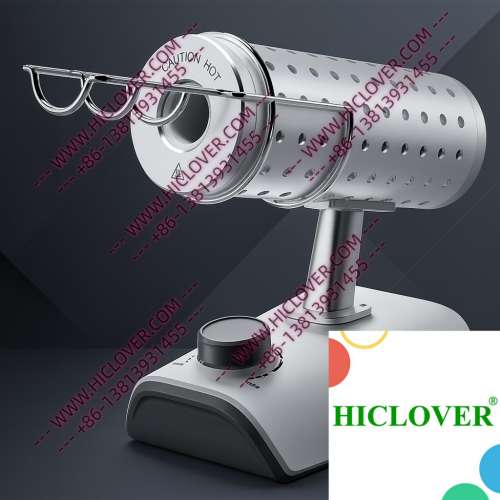
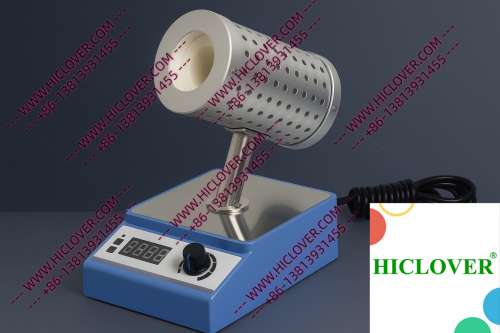
The Micro Incinerator operates on the principle of rapid thermal sterilization using infrared radiation. Unlike conventional flame sterilizers, it utilizes a ceramic heating chamber that generates high-temperature infrared heat, perfect for the quick disinfection of inoculating loops and other small tools. This enclosed ceramic tube confines the heat, minimizing the risk of overheating or damaging sensitive materials in proximity.
A Key Advantage Over Traditional Flame Sterilizers
One of the principal benefits of the Micro Incinerator is its efficient and safe operation, which eliminates the risk of open flames and associated hazards. Traditional flame sterilizers can pose significant dangers, particularly in clean rooms, where the introduction of flames can lead to catastrophic incidents or contamination.
| Features | Micro Incinerator | Flame Burners |
|---|---|---|
| Temperature Control | Precise infrared heat, adjustable max temperature | Variable flame, no precise temperature control |
| Application Safety | No open flames, clean-bench-safe | Open flames, risk of fire and contamination |
| Disinfection Speed | Rapid thermal sterilization | Slower due to prep time for flame generation |
| Maintenance | Low; minimal parts to service | Higher; cleaning and gas refills required |
Application Scenarios in Real Labs
1. Biosafety Cabinets
In BSL-2 and BSL-3 laboratories, where the handling of pathogenic microbes occurs, safety is the utmost priority. The Micro Incinerator proves invaluable in these settings, allowing technicians to sterilize inoculating loops effortlessly while minimizing the risk of aerosols. When incorporated into a biosafety cabinet, it provides an aerosol-free handling method that complies with occupational health and safety guidelines.
2. University Teaching Labs
In educational settings, where budding scientists learn the importance of sterilization techniques, the Micro Incinerator serves as an excellent instructional tool. By illustrating effective sterilization methods without the dangers that flames pose, educators can focus on teaching principles of contamination control, essential in clinical diagnostics and field testing applications. Its ease of use allows instructors to devote time to student interaction rather than monitoring flame procedures.
Compliance and Environmental Considerations
Adhering to biosafety compliance is a critical factor in laboratory operations. Regulatory bodies like the World Health Organization (WHO) emphasize stringent sterilization protocols to protect laboratory personnel and the surrounding environment from potential exposure to hazardous pathogens. The Micro Incinerator not only meets but exceeds many lab sterilization standards due to its design, which eliminates the use of flames and enhances aerosol-free handling, making it suitable for clean room applications.
- Full compliance with WHO biosafety standards
- Flame-free operation, suitable for clean room environments
- Less environmental impact than traditional sterilizers
Frequently Asked Questions
What is the primary advantage of using a Micro Incinerator over a traditional flame sterilizer?
The Micro Incinerator provides safer operation due to its flame-free sterilization, significantly reducing the risk of fire hazards and contamination.
Can the Micro Incinerator be used in field testing laboratories?
Yes, its portability and effectiveness make it an ideal choice for mobile lab settings, where sterilization speed and safety are crucial.
How can I ensure that I am compliant with local biosafety regulations while using sterilization equipment?
Regular audits, staff training on protocols, and utilizing compliant equipment like the Micro Incinerator can help maintain adherence to biosafety regulations.
What types of laboratory environments benefit most from using a Micro Incinerator?
BSL-2 and BSL-3 microbiology labs, clinical diagnostics settings, and university teaching labs all significantly benefit from the sterilization capabilities of a Micro Incinerator.
How quickly can the Micro Incinerator sterilize an inoculating loop?
The device can achieve sterilization in just a few seconds, allowing for rapid workflows with minimal downtime.
Conclusion
As laboratory safety standards continue to evolve, investing in advanced sterilization equipment like the Micro Incinerator or Infrared Inoculating Loop Sterilizer becomes crucial. Its efficient, flame-free sterilization processes not only facilitate compliance with stringent biosafety guidelines but also drastically improve laboratory workflow. For laboratories seeking to enhance their sterilization techniques, the time to adapt is now. Contact us today to learn more about our Micro Incinerator solutions and place your order!