
Within the bustling research landscape of Kathmandu, laboratory biosafety continues to be a prominent concern, particularly as institutions work to elevate their sterilization workflows. The rapid demands of modern science push for robust contamination control strategies, especially in facilities dealing with sensitive pathogens and complex experimental processes. This is where revolutionary lab technologies like the Micro Incinerator or Infrared Inoculating Loop Sterilizer come into play, offering enhanced safety, efficiency, and reliability.
Understanding the Technical Principles of Loop Sterilizers
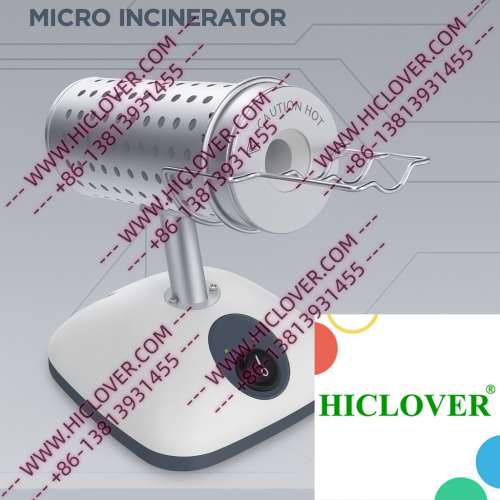
The core functionality of a Micro Incinerator revolves around its advanced use of infrared heat to achieve rapid thermal sterilization. This device utilizes a high-efficiency ceramic heating chamber that generates intense infrared radiation, effectively eliminating microbial contaminants without the use of open flames. The enclosed design not only minimizes the risk of fire hazards in clean environments but also ensures that the sterilization process is quick and efficient. In comparison to conventional flame sterilizers like Bunsen burners or alcohol lamps, which produce soot and aerosols, loop sterilizers provide a cleaner and more precise method.
Advantages Over Traditional Flame Sterilizers
- Clean operation: No soot or fumes, maintaining a sterile environment.
- Rapid heating: Quick sterilization cycles reduce waiting times.
- Enhanced safety: No open flames mean lower risks in a BSL-2 or BSL-3 laboratory setting.
- Environmentally friendly: No hazardous waste produced by alcohol or gas.
- What is the primary advantage of using a Micro Incinerator over traditional flame sterilizers?
The Micro Incinerator provides a cleaner, faster, and safer sterilization method without the risks associated with open flames. - Are Micro Incinerators suitable for use in BSL-3 laboratories?
Yes, they are designed to meet the stringent safety requirements of higher biosafety labs. - How quickly does the Micro Incinerator heat up?
It heats up within seconds, allowing for rapid cycle times and improving laboratory workflow. - Can Micro Incinerators be used in field testing environments?
Absolutely; they are portable and ideal for mobile lab setups. - What maintenance is required for a Micro Incinerator?
Regular cleaning of the heating chamber is necessary to ensure optimal performance and longevity.
Real-world Applications of Infrared Inoculating Loop Sterilizers
The versatility of Micro Incinerators shines in various laboratory scenarios across Kathmandu’s research facilities. Below are two illustrative application contexts:
1. Biosafety Cabinet Operations
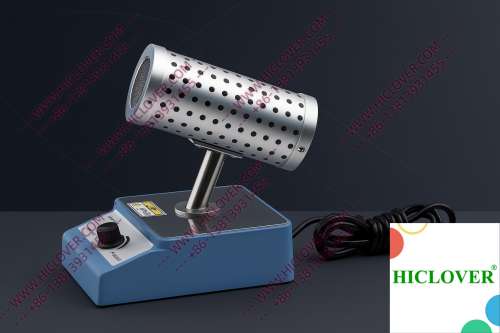
In enclosed biosafety cabinets, researchers rely heavily on precise sterilization techniques to handle pathogenic samples. The Infrared Inoculating Loop Sterilizer fits seamlessly into this environment, enabling researchers to quickly sterilize inoculating loops between sample transfers. This ensures minimal risk of cross-contamination while improving workflow efficiency, as the heat-up time is considerably shorter than that of traditional flame-based systems.
2. Teaching Labs in Universities
University teaching labs in Kathmandu utilize loop sterilization to educate future scientists on best practices in laboratory safety. By employing the Micro Incinerator, instructors can demonstrate the principles of rapid thermal sterilization, emphasizing the importance of maintaining a contamination-free environment. This not only enhances the learning experience but also instills crucial safety protocols in students, preparing them for real-world scientific challenges.
Compliance and Environmental Considerations
Lab sterilization must align with international safety standards set by organizations such as WHO. For Kathmandu’s research institutions, ensuring compliance with biosafety regulations is paramount, especially in labs handling potentially hazardous materials. The use of Micro Incinerators adheres to these guidelines, as they operate without open flames, thereby permitting their use in cleanrooms and delicate setups where airborne particles could compromise results.
“The introduction of infrared sterilization technology not only meets stringent compliance requirements but also fortifies the overall safety posture of our labs.” – A lab manager at a leading university in Kathmandu.
Frequently Asked Questions
Conclusion: A Call to Elevate Laboratory Standards
The introduction of Micro Incinerators in Kathmandu’s research facilities represents a significant advancement in laboratory sterilization practices. By prioritizing safety, efficiency, and compliance with international standards, these devices are setting new benchmarks for sterilization workflows. Whether conducting clinical diagnostics or educational training, the benefits of adopting infrared technology are undeniable. To explore how you can integrate this game-changing equipment into your facility, contact us today for more information or to request a consultation.
Categories:
Tags: