
In the ever-evolving field of healthcare, laboratory safety remains critical, particularly in environments like Rwanda where resources are limited, yet demands are high. The challenge of maintaining biosafety while ensuring efficient sterilization processes directly impacts the quality of healthcare outcomes. This has propelled the adoption of advanced laboratory sterilization equipment, particularly the Micro Incinerator or Infrared Inoculating Loop Sterilizer, which is revolutionizing how sterilization is performed in Rwandan labs.
Practical Biosafety Challenges in Laboratories
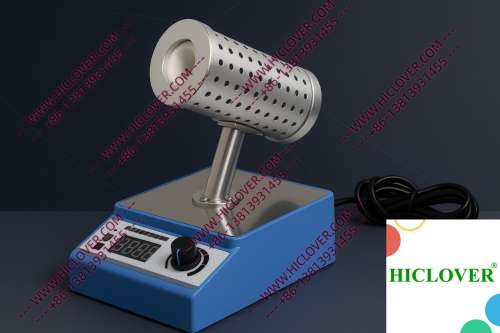
Many labs face significant challenges with traditional sterilization methods, such as flame sterilizers like alcohol lamps and Bunsen burners. These methods, while effective, present risks such as open flames, which can lead to environmental contamination, a fire hazard, and challenges with aseptic techniques within clean air workspaces. Furthermore, the aerosols generated by these flame sources pose additional risks in Biosafety Level 2 (BSL-2) and BSL-3 laboratories, where strict contamination control is vital.
Advantages of Micro Incinerators
The Micro Incinerator offers a solution by employing rapid thermal sterilization through infrared heat. Unlike traditional flame sources, it features an enclosed ceramic heating chamber that generates high temperatures rapidly without producing aerosols. This not only safeguards the lab environment but also enhances workflow efficiency.
- Rapid Thermal Sterilization: Provides quick sterilization cycles, reducing downtime.
- Contamination Control: Eliminates aerosol creation, minimizing the risk of infection in the lab.
- Clean-Bench Safety: Supports sterile environments crucial for sensitive testing.
Technical Principles of the Micro Incinerator
At the heart of the Micro Incinerator is its advanced infrared heating technology, which operates through an efficient enclosed ceramic tube. When electric current passes through the ceramic, it radiates heat and rapidly raises the temperature to levels sufficient for disinfection, ensuring that inoculating loops and other equipment are sterilized effectively. This technology eliminates the risks associated with open flames, making the Micro Incinerator ideal for use in various laboratory settings.
Application Scenarios in Rwandan Laboratories
Field Testing Labs
In field testing scenarios, such as those conducted by NGOs involved in infectious disease monitoring, the portability and efficiency of the Micro Incinerator can enhance safety protocols. These labs often work with uncertain power supply conditions, and the device’s ability to function without open flames significantly decreases the risk of environmental contamination and fire hazards during critical field operations.
University Teaching Labs
In teaching laboratories within universities across Rwanda, the Micro Incinerator provides an excellent tool for educating students about proper biosafety and sterilization practices. The ergonomic design and ease of use allow students to focus on learning microbiological techniques without the added concern of traditional flame sterility risks.
Biosafety Compliance in Laboratory Settings
The WHO has established specific biosafety standards to ensure that laboratories, especially those involved in handling pathogens, are safe for use. These mandates include utilizing sterilization techniques that minimize contamination risks. The Micro Incinerator meets these biosafety standards by providing a clean, flame-free environment conducive to high-stakes research and clinical diagnostics.
Furthermore, many clean rooms and sterile facilities implement strict protocols against the use of open flames. As a result, the Micro Incinerator becomes indispensable in laboratories requiring compliance with international standards, supporting both ethical and practical laboratory operations.
Comparison: Micro Incinerator vs. Traditional Flame Burners
| Feature | Micro Incinerator | Flame Burners |
|---|---|---|
| Heat Source | Infrared Enclosed Heating | Open Flame |
| Aerosol Production | No | Yes |
| Efficiency | Rapid Sterilization | Variable |
| Safety Risks | Low | High |
| Compliance | Meets WHO Standards | Often Non-Compliant |
Frequently Asked Questions
1. What is a Micro Incinerator?
A Micro Incinerator is a laboratory sterilization device that utilizes infrared heat for rapid thermal sterilization, ensuring effective contamination control without the risks associated with open flames.
2. How does the Micro Incinerator contribute to lab safety?
By eliminating open flames, the Micro Incinerator minimizes fire hazards and reduces aerosol generation, creating a safer working environment.
3. Can the Micro Incinerator be used in field tests?
Yes, its portability and safety features make it ideal for field testing scenarios where traditional flame sterilizers pose a risk.
4. Is the Micro Incinerator compliant with WHO biosafety standards?
Yes, the device meets the WHO biosafety standards, making it suitable for use in BSL-2 and BSL-3 laboratories.
5. What advantages does the Micro Incinerator have over traditional flame sterilizers?
The Micro Incinerator offers benefits such as rapid sterilization, minimized contamination risk, and compliance with biosafety standards—features not present in traditional flame sterilizers.
Conclusion
As Rwanda continues to develop its healthcare infrastructure, incorporating advanced sterilization technologies like the Micro Incinerator is crucial for improving laboratory safety and efficiency. By enhancing contamination control and meeting international biosafety standards, the Micro Incinerator not only safeguards health professionals and patients but also sets a new benchmark for laboratory practices. If you’re interested in elevating your laboratory safety standards, we invite you to contact us for detailed options and purchasing information.
Categories:
Tags: