
In laboratories across Dhaka, the constant need for effective biosafety protocols and sterilization workflows has never been more critical. As the city’s research facilities continue to expand, the challenges of maintaining contamination control are increasingly paramount. One significant advancement addressing these issues is the Micro Incinerator or Infrared Inoculating Loop Sterilizer. A modern solution that not only enhances laboratory safety but also streamlines sterilization processes, it is rapidly becoming a staple in biosafety cabinets and various research environments.
The Technical Principles Behind Infrared Inoculating Loop Sterilizers
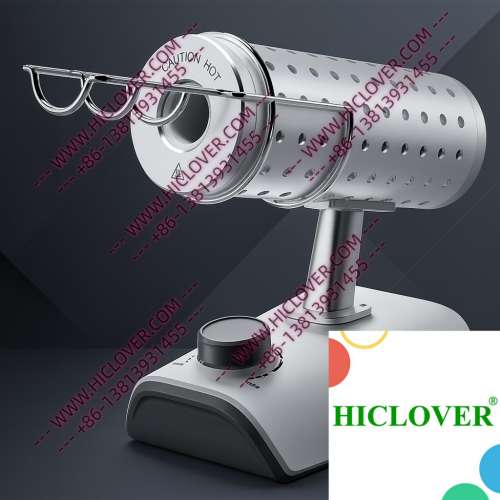
The Micro Incinerator leverages the principle of infrared heat to achieve rapid thermal sterilization. It features an enclosed ceramic heating chamber that efficiently focuses high temperatures on inoculating loops, ensuring effective disinfection. This mechanism minimizes aerosol production and the risk of cross-contamination, which are critical concerns in BSL-2 and BSL-3 microbiology labs. Unlike traditional flame sterilizers, such as Bunsen burners or alcohol lamps, infrared sterilizers provide a clean-bench-safe environment that ensures the integrity of microbial work.
Advantages of Micro Incinerators Over Traditional Flame Sterilizers
| Feature | Micro Incinerator | Flame Sterilizers |
|---|---|---|
| Sterilization Speed | Instant heating with rapid thermal sterilization | Requires time to ignite and cool |
| Safety | No open flame, reduces fire risk | Open flame, higher burn and fire hazards |
| Aerosol Prevention | Minimal aerosol production | Can create aerosols, risk of contamination |
| Equipment Versatility | Can be used in clean benches | Not suitable for clean-room environments |
Application Scenarios in Dhaka’s Laboratories
1. University Teaching Labs
In academic institutions across Dhaka, effective teaching of microbiological techniques is crucial for training future scientists. The use of the Micro Incinerator in teaching labs has transformed how students learn about agar plating and culturing microorganisms. The sterile environment provided by the infrared sterilizer allows students to practice inoculation techniques safely, without the risks associated with flame sterilizers. This not only enhances their learning experience but also ensures adherence to strict biosafety standards.
2. Field Testing and Clinical Diagnostics
In mobile or field testing labs, the portability and effectiveness of the Micro Incinerator stand as a significant advantage. When conducting clinical diagnostics in rural settings or during outbreak management, the sterilizer allows healthcare professionals to handle samples with confidence. The rapid thermal sterilization ensures that instruments are disinfected quickly, empowering frontline workers to maintain safety and efficiency in challenging environments.
Compliance and Environmental Standards
Adhering to biosafety standards is fundamental for any research facility. The WHO (World Health Organization) and other regulatory bodies have established clear guidelines for laboratory safety, including requirements for sterilization methodologies. The Micro Incinerator is compliant with these protocols, making it an ideal choice for institutions aiming to maintain high safety standards. Furthermore, in clean room environments where open flames are prohibited, the use of an infrared loop sterilizer eliminates potential hazards while ensuring efficient sterilization.
FAQs About Micro Incinerators
- What is the ideal temperature range for effective sterilization with a Micro Incinerator? Most Micro Incinerators operate between 800°C to 1000°C, which is sufficient for rapid thermal sterilization.
- How does the Micro Incinerator compare cost-wise to traditional sterilizers? While the initial investment can be higher, the long-term cost savings in terms of improved safety and efficiency usually outweighs the upfront costs.
- Can the Micro Incinerator be used in anaerobic chambers? Yes, its design accommodates the need for sterilization in specialized environments.
- Is there any maintenance required for infrared sterilizers? Regular cleaning of the ceramic tube and inspection of the heating elements are typically recommended to ensure optimal performance.
- Are there specific guidelines for using sterilizers in BSL-2 labs? Yes, facilities must follow biosafety guidelines set by the WHO and local health authorities, which endorse the use of electric sterilizers like the Micro Incinerator.
The Future of Laboratory Sterilization in Dhaka
The ongoing growth of research opportunities in Dhaka necessitates innovations in laboratory sterilization equipment. As facilities increasingly choose the Micro Incinerator over traditional flame sterilizers, the benefits of rapid thermal sterilization, enhanced safety, and compliance with international standards become evident. Research institutions and universities can significantly improve their operational efficiency and safety culture by adopting this revolutionary equipment.
In conclusion, the Micro Incinerator is more than just another piece of laboratory equipment; it is a game changer in laboratory safety and workflow. If you are looking to upgrade your laboratory’s sterilization processes or ensure compliance with biosafety standards, consider integrating this innovative solution into your facilities. For further details or inquiries about purchasing, please feel free to contact us. Join the future of laboratory sterilization in Dhaka today!