
In today’s rapidly advancing laboratory landscape, safety challenges and the need for efficient sterilization workflows are paramount. Traditional flame sterilizers, while commonly used, pose significant risks related to contamination, fire hazards, and inefficient sterilization processes. The introduction of flame-free sterilizers, such as the Micro Incinerator and Infrared Inoculating Loop Sterilizer, is transforming the way labs approach sterilization, promoting superior safety and efficiency.
Understanding the Technology Behind Flame-Free Sterilization
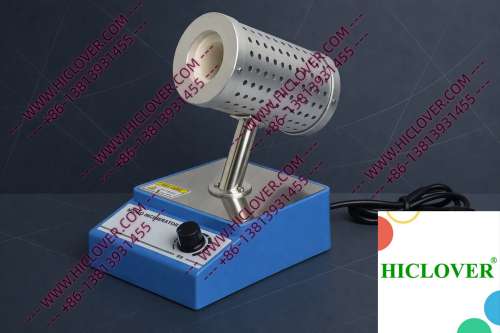
The Micro Incinerator operates on the principle of rapid thermal sterilization through infrared heat. This innovative device utilizes an enclosed ceramic heating chamber that reaches high temperatures, ensuring that contamination is eradicated without the risks associated with open flames.
When a sample or inoculating loop is placed within the ceramic tube, the infrared rays penetrate the material, effectively causing immediate disinfection through high-temperature methods. This allows for more efficient handling than traditional methods, as the sterilization can occur in a matter of seconds, greatly reducing wait times in laboratory processes.
Applications of Micro Incinerators in Various Laboratory Settings
Micro Incinerators have gained traction in multiple laboratory scenarios, each benefiting from the unique capabilities of this flame-free solution. Below are two notable use cases:
- Biosafety Cabinets: In BSL-2 and BSL-3 microbiology labs, the need for stringent contamination control is critical. Using a Micro Incinerator in conjunction with a biosafety cabinet provides a secure area where researchers can sterilize tools without introducing additional pathogens. The compact design allows it to fit seamlessly into workflow processes.
- Teaching Laboratories: Academic institutions frequently utilize Micro Incinerators in their teaching labs. This system not only streamlines the sterilization of inoculating loops but also serves as an effective teaching tool, demonstrating advanced sterilization techniques without the hazards of flames, which is particularly valuable in university environments.
Compliance and Environmental Considerations
With increasing regulatory scrutiny governing laboratory practices, compliance with biosafety standards such as those set by the World Health Organization (WHO) is crucial. Open flames are discouraged in clean rooms and other controlled environments due to the risk of contamination and volatile conditions. The use of flame-free sterilization equipment addresses these concerns and aligns with laboratory sterilization standards, promoting a safer working environment.
Moreover, adopting Micro Incinerators contributes to sustainability efforts within laboratories, as they efficiently utilize thermal energy while minimizing the release of harmful gases associated with traditional flame sterilizers.
Comparative Overview: Micro Incinerator vs. Traditional Flame Burners
| Feature | Micro Incinerator | Flame Sterilizer |
|---|---|---|
| Heat Source | Infrared | Open Flame |
| Safety | High – no fire hazards | Moderate – risk of burns |
| Efficiency | Rapid sterilization | Variable; longer wait times |
| Ease of Use | Simple, portable | Requires more precautions |
Frequently Asked Questions (FAQs)
- What is a Micro Incinerator?
A Micro Incinerator is a flame-free sterilization device designed to achieve rapid thermal sterilization using infrared technology. - How does infrared sterilization work?
Infrared sterilization uses focused heat from a ceramic chamber to universally eradicate contaminants on inoculating loops and other lab instruments. - Can Micro Incinerators be used in field testing labs?
Absolutely! Their portability and efficiency make them ideal for mobile and field testing laboratories. - Are there specific compliance standards for using Micro Incinerators?
Yes, they align with WHO biosafety regulations and help maintain sterile conditions in clean rooms and other controlled environments. - What are the main advantages of Micro Incinerators over traditional sterilizers?
They offer higher safety, faster sterilization times, and reduced contamination risks, making them more efficient and environmentally friendly.
Conclusion: Embrace the Future of Laboratory Safety
Incorporating flame-free sterilizers like the Micro Incinerator not only enhances the safety and efficiency of lab environments but also aligns with modern biosafety regulations. As laboratories across the globe, from hospitals in London to universities in San Francisco, transition towards safer sterilization methods, the Micro Incinerator stands out as an exemplary solution. For those looking to upgrade their laboratory sterilization equipment, we encourage you to consider how a Micro Incinerator can revolutionize your workflow. Contact us today for information on purchasing and enhancing your lab’s safety standards.
Categories:
Tags: