
The world of laboratory science continuously evolves as researchers and laboratory technicians face growing challenges in maintaining biosafety while ensuring effective sterilization workflows. In Karachi, where laboratories are pivotal for clinical diagnostics, public health research, and education, there is an increasing demand for innovative sterilization equipment. Traditional methods, such as alcohol lamps and Bunsen burners, pose several risks, including open flames, excessive heat exposure, and the potential for contamination. In response to these challenges, the Micro Incinerator, also known as the Infrared Inoculating Loop Sterilizer, has rapidly gained prominence.
Understanding the Technical Principles of Micro Incinerators
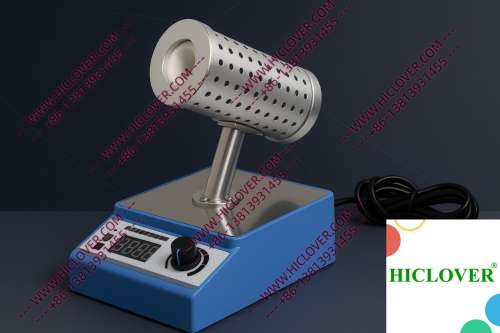
The Micro Incinerator utilizes advanced infrared technology to achieve rapid thermal sterilization of inoculating loops and other equipment. Unlike traditional flame-based systems, this device employs an enclosed ceramic heating chamber that provides high-temperature disinfection without the hazardous drawbacks associated with open flames. The infrared heat penetrates and disinfects surfaces quickly and efficiently, resulting in a sterilization process that is both safe and effective.
The key features of the Micro Incinerator include:
- Enclosed Heating System: Minimizes the risk of accidental ignition and enhances safety.
- Rapid Heat-Up Time: Achieves optimal sterilization temperatures in a fraction of the time.
- Aerosol-Free Handling: Prevents the creation of harmful aerosols commonly associated with flame sterilization.
- Easy Maintenance: Simplifies the care and upkeep of sterilization equipment.
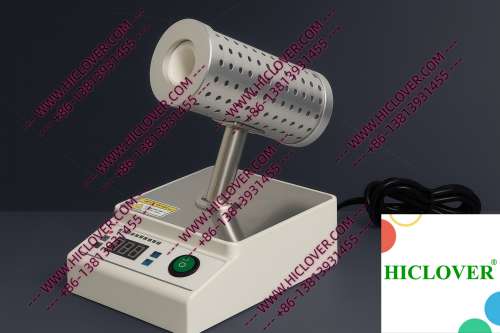
Applications of Micro Incinerators in Karachi Laboratories
Micro Incinerators are versatile tools applicable in various laboratory settings. Two notable scenarios in which these devices excel are:
1. Teaching Laboratories
In university settings, particularly within microbiology and biochemistry departments, teaching labs must prioritize both safety and learning efficiency. The Micro Incinerator allows students to focus on practical skills without the inherent dangers of flames. By providing a clean-bench-safe environment, instructors can emphasize contamination control while ensuring students understand proper sterilization techniques.
2. Field Testing and Mobile Laboratories
Field testing often presents unique challenges, such as limited access to traditional laboratory infrastructure. Micro Incinerators are portable and can be utilized in various outdoor settings, facilitating immediate and effective sterilization of inoculating loops in environments where contamination control is paramount. This capability is especially essential for conducting microbiological assessments in remote locations, ensuring high biosafety levels.
Compliance and Biosafety Standards
Adhering to international biosafety standards is vital for laboratories engaged in microbiology research, particularly those classified under BSL-2 and BSL-3 protocols. The World Health Organization (WHO) sets stringent guidelines for laboratory sterilization, emphasizing the importance of equipment that minimizes risk. Traditional flame sterilizers pose a potential fire hazard and may not be compliant with the strict regulations governing clean rooms. In contrast, Micro Incinerators occupy a unique position, allowing laboratories in Karachi to conform to both local and international biosafety standards effectively.
Moreover, as laboratories look to enhance their workflows, the transition from flame-based sterilization to infrared sterilizers presents an opportunity to align with modern practices while improving laboratory safety. The benefits of switching to Micro Incinerators over traditional flame sterilizers include:
| Feature | Micro Incinerator | Flame Sterilizer |
|---|---|---|
| Safety | Enclosed, no open flame | Fire hazard, requires supervision |
| Efficiency | Rapid heat-up, precise control | Longer heat-up time, temperature fluctuations |
| Ease of use | User-friendly, minimal training | Requires training on flame handling |
| Portability | Lightweight, compact | Usually bulky and fixed |
Frequently Asked Questions
What makes the Micro Incinerator safer than traditional flame sterilizers?
The Micro Incinerator’s enclosed design eliminates the risks associated with open flames, such as burns and fire hazards. Furthermore, it reduces the chances of creating aerosols, ensuring a cleaner and safer working environment.
Can the Micro Incinerator be used in field settings?
Yes! Its lightweight and portable design make it ideal for field testing and mobile laboratory operations, where traditional sterilization methods may not be feasible.
What is the sterilization process duration using the Micro Incinerator?
The Micro Incinerator achieves effective sterilization in seconds, depending on the equipment type, significantly reducing labor time compared to traditional methods.
Conclusion: Elevate Laboratory Safety in Karachi
As laboratories in Karachi embrace modern technologies, the introduction of Micro Incinerators is a revolutionary step towards enhancing safety, efficiency, and compliance in sterilization workflows. The shift from traditional flame sterilizers not only reduces risks but also improves sterilization outcomes significantly, making it a game-changing solution across the research landscape.
To learn more about the Micro Incinerator or to inquire about procurement options, contact us today and elevate your laboratory’s safety standards!
Categories:
Tags: