
In the fast-paced world of laboratory research and diagnostics, ensuring biosafety while maintaining sterility is paramount. Traditional sterilization methods, such as alcohol lamps and Bunsen burners, pose significant challenges. Issues such as open flames, contamination risks, and fluctuating temperatures can hinder laboratory workflows and endanger staff safety. This article explores the advantages of portable loop sterilizers, particularly the innovative Micro Incinerator or Infrared Inoculating Loop Sterilizer, and how these devices are transforming current practices in laboratory environments.
Technical Principles Behind Infrared Sterilization
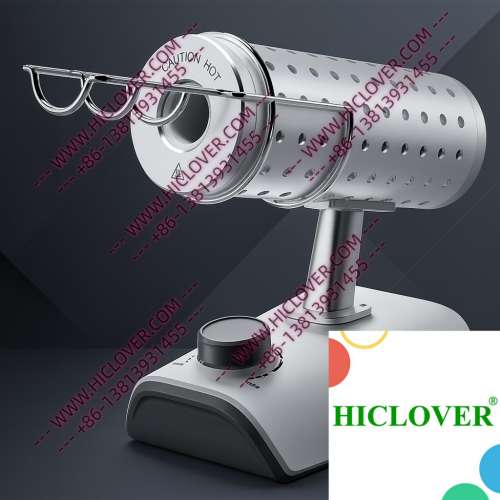
The Micro Incinerator operates on a fundamental principle of infrared heat transmission, utilizing a ceramic heating chamber to perform rapid thermal sterilization. This advanced technology generates high temperatures without the need for an open flame, thus minimizing the risk of flames spreading in sensitive laboratory settings.
Unlike traditional sterilizers that require time for fuel to ignite and reach sterilization temperatures, the Micro Incinerator offers immediate heat application, streamlining the sterilization workflow. Its enclosed ceramic tube design ensures even heat distribution, resulting in effective disinfection of inoculating loops and other small laboratory tools.
Applications in Real Labs
1. Clinical Diagnostics Laboratories
In clinical diagnostics, particularly in BSL-2 and BSL-3 microbiology labs, where biosafety is crucial, micro incinerators play a vital role. They are used within biosafety cabinets to sterilize tools between samples, thus preventing cross-contamination and ensuring the integrity of laboratory results. This application is particularly important when handling pathogenic organisms, as it provides an aerosol-free method for sterilization.
2. University Teaching Laboratories
In academic settings, such as university teaching labs, the Micro Incinerator serves as an educational tool for students learning about sterilization techniques. The safety features of this technology allow students to practice sterile technique without the risks associated with flame-based sterilizers. Furthermore, the user-friendly design encourages proper handling and safe operation, fostering a learning environment focused on best practices in biosafety and contamination control.
Compliance with Safety Standards
With increasing emphasis on compliance with global biosafety regulations, portable loop sterilizers like the Micro Incinerator align with the standards outlined by the World Health Organization (WHO) and other regulatory bodies. Many organizations now prohibit the use of flame sterilizers in clean rooms because of their ability to produce aerosols, which can lead to contamination.
The move towards non-flame sterilizers enhances laboratory compliance with biosafety standards while improving overall safety for personnel and samples alike.
Benefits Over Traditional Flame Sterilizers
- Reduction of Contamination Risks: No open flame means less chance of igniting flammable materials.
- Immediate Sterilization: Infrared heat provides instant results, improving laboratory efficiency.
- Clean-Bench-Safe: Ideal for use in clean rooms and controlled environments where contamination control is critical.
- Adoption of Innovative Technology: Modern labs are increasingly seeking efficient tools that advance safety and operational workflows.
Comparison: Micro Incinerator vs. Flame Burners
| Feature | Micro Incinerator | Flame Burners |
|---|---|---|
| Heat Source | Infrared | Open Flame |
| Response Time | Instant | Variable |
| Safety | No Flames | Flame Hazards |
| Contamination Control | High | Low |
| Portability | High | Low |
FAQs
What are the main advantages of using a Micro Incinerator for sterilization?
The Micro Incinerator provides immediate sterilization without the risks associated with flame sterilizers, including contamination from aerosols and the hazards of an open flame.
Is it suitable for use in clean rooms?
Yes, the design of the Micro Incinerator makes it particularly suitable for environments like clean rooms where contamination control is vital.
How does the sterilization time compare to traditional methods?
Infrared sterilization is nearly instantaneous, significantly reducing the time needed for effective tool disinfection compared to flame-based methods.
Can it be used outdoors or in field testing?
Absolutely! The portable nature of the Micro Incinerator makes it an excellent choice for field tests, where access to electrical outlets or more complex sterilization devices may be limited.
What is the maintenance required for a Micro Incinerator?
Maintenance typically involves regular cleaning of the ceramic heating chamber and ensuring all components are functioning well, which is straightforward and can be done by laboratory personnel.
Conclusion
Portable loop sterilizers, especially the Micro Incinerator, are paving the way for improved safety and efficiency in laboratories worldwide. With their advanced technology, they not only comply with critical safety standards but also enhance productivity by streamlining sterilization processes. Whether you’re a distributor, hospital, university, or research center, embracing these innovative tools can significantly benefit your laboratory operations. Contact us today to learn more about enhancing your laboratory’s sterilization practices!
Categories:
Tags: