
In the bustling scientific community of Maputo, laboratories face numerous challenges in maintaining rigorous biosafety standards. The rapid pace of advancements in laboratory research necessitates an equally advanced approach to sterilization workflows. Contamination control is critical, particularly in BSL-2 and BSL-3 microbiology labs. Traditional sterilization methods like alcohol lamps and Bunsen burners may no longer meet the demands of modern scientific practices. This is where the Micro Incinerator, or Infrared Inoculating Loop Sterilizer, steps in to revolutionize lab safety and efficiency.
Technical Principles of Micro Incinerators
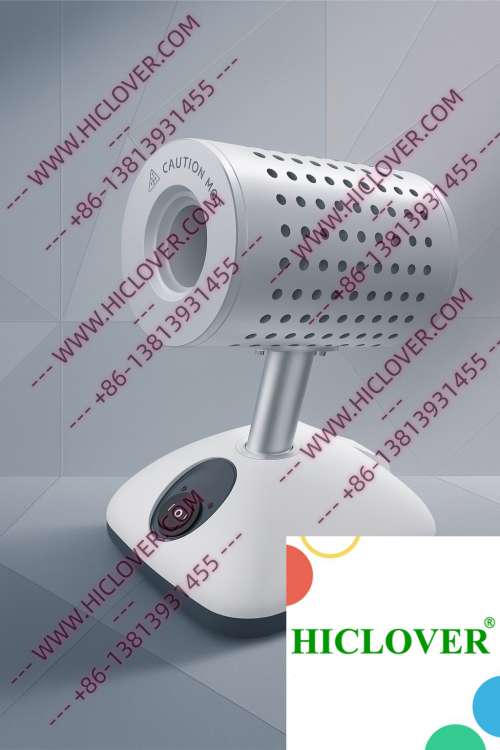
The Micro Incinerator utilizes infrared heat for rapid thermal sterilization, a method that offers significant advantages over conventional flame sterilizers. Unlike traditional burners, which can introduce aerosols and may not uniformly heat inoculating loops, the infrared technology employed in these sterilizers ensures a consistent temperature within an enclosed ceramic heating chamber. This method not only provides high-temperature disinfection without the presence of an open flame but also enhances safety in clean bench environments.
Key Features of Infrared Inoculating Loop Sterilizers
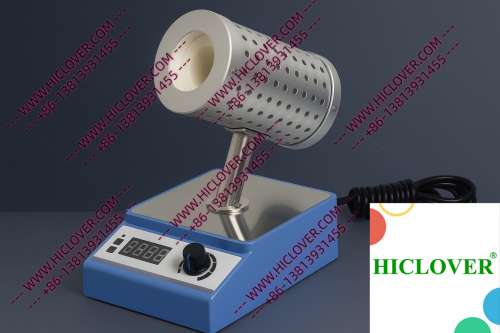
- Rapid Sterilization: Heats loops to optimal temperatures in seconds.
- Portability: Compact design ideal for field applications.
- Clean-Bench Safety: No open flame ensures lower risk of contamination.
- Energy Efficiency: Consumes less energy than traditional methods.
Application Scenarios in Maputo’s Labs
Biosafety Cabinet Operations
Within biosafety cabinets, maintaining sterile conditions is paramount. The infrared inoculating loop sterilizer provides an effective solution for inoculating loops, enabling researchers to work efficiently without compromising safety. By eliminating flames, researchers can significantly reduce the risk of introducing aerosols and potentially harmful contaminants into sensitive lab environments. This is particularly crucial during microbiological assays and handling of pathogenic samples.
Field Testing and Teaching Labs
In the context of mobile or field testing labs, the Micro Incinerator’s portability makes it an ideal choice for environmental and clinical diagnostics. For instance, a team conducting field research on water quality in Maputo can rely on this technology for sterile sampling procedures without the risk associated with combustible flames. Furthermore, in university teaching labs, facilitating a safe and effective learning environment is crucial. Students can gain hands-on experience with the latest sterilization techniques, further emphasizing the importance of biosafety in scientific education.
Compliance and Environmental Considerations
Ensuring compliance with WHO biosafety standards and laboratory sterilization regulations is a critical aspect of laboratory operations. The use of infrared inoculating loop sterilizers aligns with these standards, particularly regarding safe practices in clean rooms and BSL-2/BSL-3 labs. The absence of a flame not only enhances safety but also reduces the environmental impact associated with traditional sterilization methods that rely on combustible materials.
In summary: Infrared sterilizers represent a significant evolution in maintaining laboratory safety, fully compliant with the latest industry regulations.
Comparison of Sterilization Methods
| Feature | Micro Incinerator | Flame Burners |
|---|---|---|
| Speed of Sterilization | Rapid (seconds) | Slower (depends on flame size) |
| Safety | No open flame | Open flame introduces risks |
| Contamination Control | Minimized aerosol generation | Aerosol generation possible |
| Energy Consumption | Low | Higher |
FAQs About Micro Incinerators
What is the primary advantage of using a Micro Incinerator over traditional sterilizers?
The main advantage lies in rapid thermal sterilization without the risk of flame, which minimizes contamination and enhances laboratory safety.
Can Micro Incinerators be used in field testing environments?
Yes, their portable design makes them ideal for field testing while ensuring that contamination control is maintained.
Are Infrared Inoculating Loop Sterilizers compliant with safety standards?
Absolutely, they adhere to WHO biosafety standards and are suitable for use in BSL-2 and BSL-3 labs.
How long does it take to heat the loop in an Infrared sterilizer?
The sterilization process can take just a few seconds, providing immediate results for laboratory workflows.
Is training required to operate a Micro Incinerator?
While minimal training is necessary, operators should understand the technology and safety protocols associated with use in laboratory environments.
Conclusion
In the quest to improve lab safety and efficiency in Maputo’s scientific community, the Micro Incinerator stands out as an essential tool for modern laboratory sterilization. Its innovative infrared technology addresses the key challenges of contamination control and compliance with biosafety standards, making it a vital asset for research institutions, universities, and field laboratories alike.
Contact us today to learn more about integrating this groundbreaking sterilization equipment into your laboratory practices to ensure the highest standards of safety and efficiency.
Categories:
Tags: