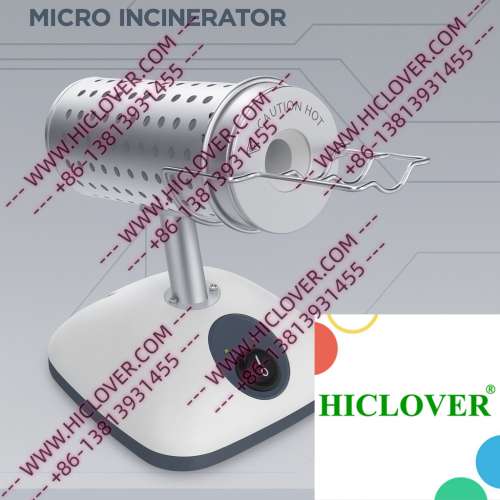
In the evolving landscape of laboratory operations, especially within medical facilities, sterilization remains a paramount concern. Savannah’s medical laboratories face practical biosafety challenges where traditional sterilization methods often fall short. As laboratories strive to meet rigorous sterilization workflow demands, the introduction of portable loop burners, specifically the Micro Incinerator / Infrared Inoculating Loop Sterilizer, has emerged as a game-changing innovation. With its rapid thermal sterilization capabilities, this device not only ensures effective contamination control but also enhances laboratory safety across various settings.
Understanding the Technology
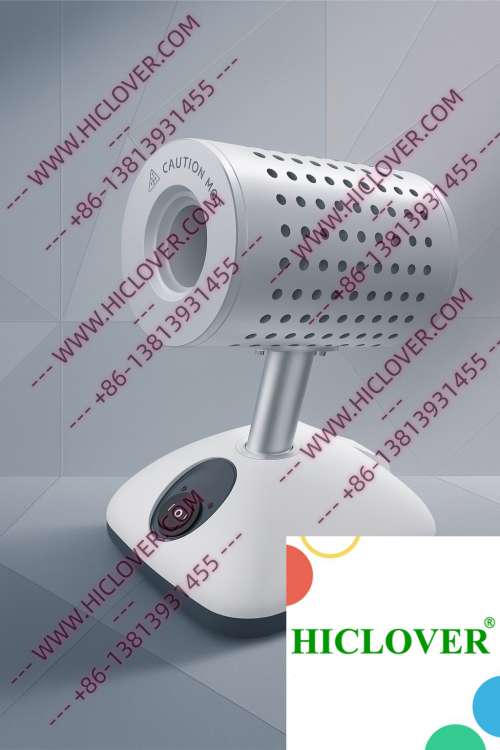
The Micro Incinerator operates using infrared heat to achieve high-temperature disinfection in a contained environment. Unlike traditional flame-based sterilizers such as alcohol lamps and Bunsen burners, which pose risks of contamination and burns, the Micro Incinerator employs an enclosed ceramic tube that focuses infrared energy directly on the inoculating loop. This delivery method allows for precise temperature control, achieving sterilization without the release of aerosols or flames, making it clean-bench-safe and ideal for use in sensitive environments.
- Rapid Thermal Sterilization: Sterilizes metal loops in under 10 seconds.
- Aerosol-Free Handling: Minimizes contamination risks during the sterilization process.
- Compact Design: Perfect for field tests and mobile setups, allowing for portability without compromising efficacy.
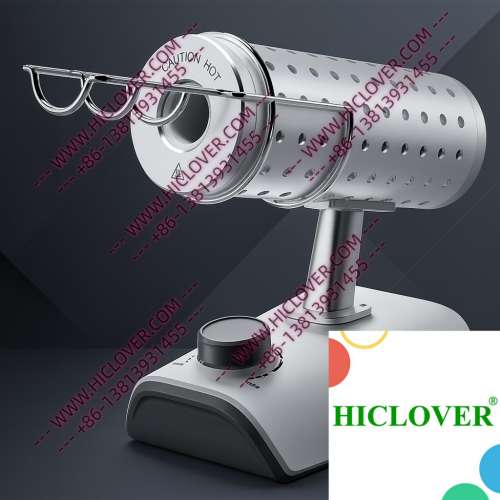
Applications of Micro Incinerators in Savannah Labs
1. Teaching Laboratories
In academic settings, particularly university teaching labs, the Micro Incinerator proves invaluable. Students learn vital microbiological techniques in a safe manner, as the closed-loop sterilization prevents the spread of pathogens and promotes contamination-free cultures. With the rapid sterilization times, educators can demonstrate inoculation techniques efficiently, ensuring that each student can practice under optimal safety conditions.
2. BSL-2 and BSL-3 Microbiology Labs
Within the realm of BSL-2 and BSL-3 microbiology labs, the stakes are even higher. Laboratories dealing with moderate to high-risk pathogens require strict adherence to biosafety regulations. The Micro Incinerator supports these stringent standards by eliminating toxic fumes and preventing the risk of flame-related accidents. This feature makes it compatible with biosafety cabinets, ensuring that the work environment remains secure and hygienic.
Compliance with Biosafety Standards
Compliance with the World Health Organization (WHO) biosafety guidelines and laboratory sterilization standards is non-negotiable in any medical facility. To maintain these standards, laboratories must adopt sterilization methods that do not compromise safety, especially in clean rooms and controlled environments. The Micro Incinerator aligns with these regulations by providing:
- Flame-Free Operation: Reduces the risk of fire hazards, critical in areas requiring sterile conditions.
- Aerosol Minimization: Prevents airborne contamination, essential for clean laboratory practices.
- Efficiency: Rapid sterilization workflow enhances productivity without sacrificing safety.
Adopting such technology not only meets regulatory requirements but also fosters a culture of safety among laboratory personnel.
Advantages Over Traditional Flame Sterilizers
When comparing the Micro Incinerator to traditional flame sterilizers, several advantages become evident:
- Safety: No flames or alcohol reduce the risk of burns and contamination.
- Speed: Up to ten times faster than conventional methods.
- Precision: Controlled sterilization with no risk of overheating.
| Feature | Micro Incinerator | Traditional Flame Sterilizers |
|---|---|---|
| Speed of Sterilization | 10 seconds | 1-2 minutes |
| Safety | Flame-free | Flammable |
| Environmental Impact | Low (no fumes) | High (fumes and aerosols) |
FAQs about the Micro Incinerator
What is the operational temperature of the Micro Incinerator?
The Micro Incinerator operates at a high temperature sufficient for rapid sterilization, typically exceeding 800°C (1472°F).
How does the Micro Incinerator maintain a clean environment in BSL-2 labs?
Its closed design minimizes aerosol generation and prevents the release of contaminants, which is essential in BSL-2 settings.
Can the Micro Incinerator be used in mobile or field testing labs?
Yes, its compact design allows for portability, making it ideal for on-site testing without compromising safety.
How does it comply with WHO standards?
The Micro Incinerator’s flame-free operation and low environmental impact align with WHO hygiene and safety regulations for laboratory environments.
What maintenance is required for the Micro Incinerator?
Generally, minimal maintenance is needed—occasional cleaning of the ceramic tube and routine checks to ensure optimal performance are recommended.
Conclusion
The Micro Incinerator / Infrared Inoculating Loop Sterilizer stands out as a revolutionary advancement in laboratory sterilization equipment, offering unparalleled safety and efficiency for Savannah’s medical facilities. By tackling the inherent biosafety challenges of laboratory work, it sets a new standard for sterilization practices. For institutions looking to enhance their sterilization workflows while ensuring compliance with health regulations, the Micro Incinerator is an essential investment. Reach out today to learn more about how this innovative device can benefit your laboratory operations.
Categories:
Tags: