
In the ever-evolving landscape of laboratory practices, maintaining rigorous laboratory biosafety standards and efficient sterilization workflows is a paramount challenge. With the increasing need for contamination control in various settings, from BSL-2 microbiology labs to university teaching laboratories, the utilization of modern sterilization equipment has gained unprecedented importance. One such innovation is the Micro Incinerator or Infrared Inoculating Loop Sterilizer, which is revolutionizing the way laboratories handle sterilization.
The Technical Edge of Micro Incinerators
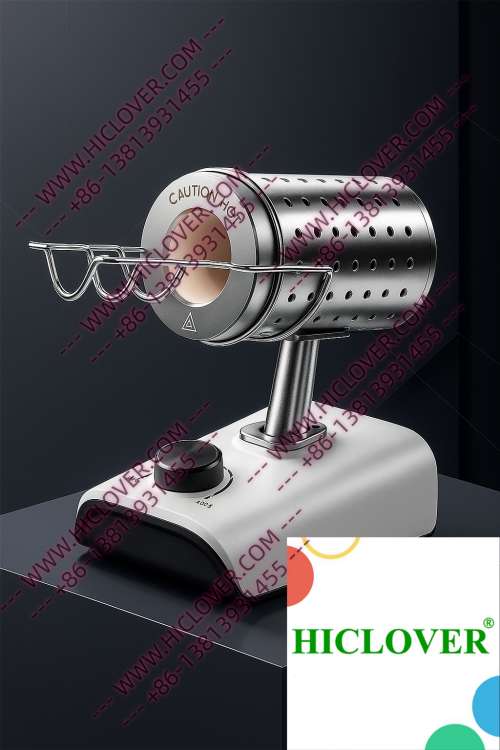
Micro Incinerators leverage advanced ceramic heating technology, utilizing infrared heat energy to achieve rapid thermal sterilization. Unlike traditional flame-based sterilizers like alcohol lamps or Bunsen burners, these devices offer enclosed ceramic tubes that provide a clean and safe method to sterilize metal inoculating loops, needles, and other laboratory tools without exposing them to open flames. This enclosed environment drastically reduces the risk of burns and the formation of aerosols, which can pose safety risks and compromise laboratory hygiene.
One of the key features of micro-incinerators is their ability to reach high temperatures quickly, typically up to 850°C. This high-temperature disinfection ensures effective eradication of microbial life, while also promoting compliance with laboratory safety protocols. Their compact design makes them suitable for integration into various laboratory setups, including clean benches and biosafety cabinets.
Real-World Applications
1. Utilization in Biosafety Cabinets
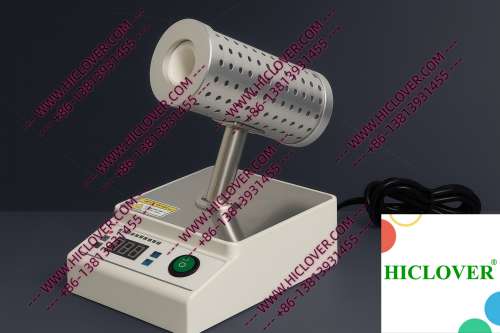
In modern biotechnology and clinical diagnostic labs, where researchers are often working with pathogenic materials, micro incinerators play a critical role. Inside biosafety cabinets, which are designed to prevent exposure to biohazards, these devices can efficiently sterilize tools and equipment without disturbing the controlled environment of the cabinet. Researchers can confidently perform their manipulations while maintaining strict biosafety standards, ensuring no risk of contamination.
2. Educational Use in University Laboratories
Micro incinerators are also gaining traction in university teaching labs, where students learn essential microbiological techniques. Unlike traditional flame sterilizers that require extensive safety protocols and adult supervision, the infrared inoculating loop sterilizer ensures ease of use and safety. This device allows students to focus on their learning experience rather than worrying about the inherent dangers of manipulating flames, thus enhancing their educational journey.
Compliance with Biosafety Standards
Compliance with industry standards is crucial in laboratory environments. The World Health Organization (WHO) and various national health agencies emphasize stringent biosafety protocols to protect both lab personnel and the surrounding environment. Micro incinerators align perfectly with these guidelines. They do not produce flames, making them ideal for cleanroom environments where ignition sources are strictly controlled. Furthermore, they meet laboratory sterilization standards that dictate the levels of microbial contamination permissible in critical research and clinical environments.
Benefits Compared to Traditional Flame Sterilizers
When considering the adoption of micro incinerators, several advantages over traditional flame sterilizers emerge:
- Safety: No open flames lead to reduced burn risks.
- Efficiency: Rapid thermal sterilization cuts time spent on sterilization procedures.
- Aerosol-Free Handling: Minimized risk of creating aerosols that may contaminate the lab environment.
- Controlled Environment: Ideal for use in biosafety cabinets and cleanroom applications.
| Feature | Micro Incinerator | Flame Sterilizer |
|---|---|---|
| Heat Source | Infrared | Open Flame |
| Safety | No flame, reduced burn risk | High risk of burns and accidents |
| Aerosol Generation | No aerosols | Aerosol risks |
| Time Efficiency | Rapid heating | Longer heating time |
Frequently Asked Questions
What is a Micro Incinerator?
A Micro Incinerator is a laboratory device that utilizes infrared heat for the rapid sterilization of inoculating loops and other laboratory instruments, providing a safe and efficient alternative to traditional flame sterilizers.
Is a Micro Incinerator safe to use in a cleanroom environment?
Yes, Micro Incinerators are designed without open flames, thus making them compliant with cleanroom protocols and ideal for use in sensitive laboratory settings.
How does the sterilization process work?
The Micro Incinerator generates high infrared heat, which effectively kills microorganisms on laboratory tools in seconds, ensuring tools are sterile before use.
Can Micro Incinerators be used in field testing labs?
Absolutely! Their compact and portable design allows for sterilization in various settings, including mobile or field testing labs, ensuring safety and efficiency on the go.
What are the main advantages of using a Micro Incinerator over a flame sterilizer?
The main advantages include enhanced safety, rapid sterilization capabilities, aerosol-free operation, and alignment with biosafety protocols, making them a superior choice for modern laboratories.
Conclusion
The adoption of Micro Incinerators represents a significant leap forward in laboratory hygiene standards. By providing a safer, more efficient means of sterilization, these devices facilitate a smoother workflow in various laboratory environments. As labs worldwide strive to meet high biosafety standards, investing in modern sterilization equipment like the Micro Incinerator becomes not just an option, but a necessity. For laboratories aiming to upgrade their sterilization methods, consider contacting us for further information or to procure these innovative devices.
Categories:
Tags: