
As the demand for stringent biosafety protocols escalates within laboratory environments, researchers and clinicians are consistently challenged with effective sterilization methods. Whether in clinical diagnostics, university teaching labs, or mobile field testing scenarios, the imperative to maintain contamination control is paramount. In such contexts, the reliance on traditional flame sterilizers like Bunsen burners and alcohol lamps is increasingly being overshadowed by innovative solutions like the Micro Incinerator and the Infrared Inoculating Loop Sterilizer.
The Challenges of Laboratory Sterilization
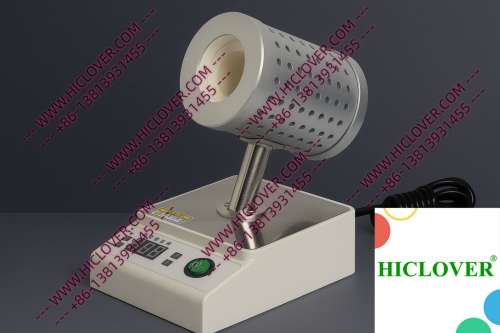
Laboratory sterilization presents several challenges. Traditional flame-based methods, while effective, pose risks such as the production of aerosols that can compromise sterile environments. They also require continuous monitoring and precision in operation. For instance, BSL-2 and BSL-3 microbiology labs operate under strict compliance guidelines, necessitating dependable sterilization tools that can assure no chemical residues or open flames are present in clean zones.
Technical Principles of Micro Incinerators
The Micro Incinerator operates on the principle of rapid thermal sterilization through infrared technology. By utilizing an enclosed ceramic heating chamber, it rapidly reaches high temperatures, ensuring effective disinfection of inoculation loops, needles, and other lab tools. Unlike traditional methods, the infrared inoculating loop sterilizer minimizes the risk of aerosol formation, making it safe even in clean-bench environments.
Product Configuration
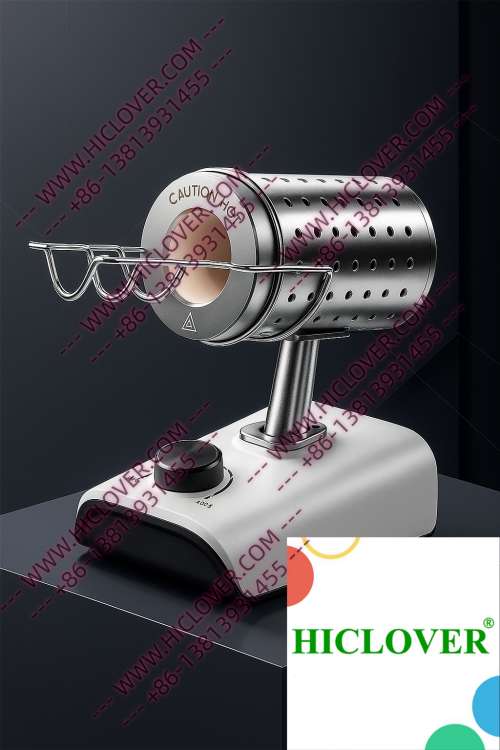
- Compact Design: Fits conveniently within biosafety cabinets.
- Three Adjustable Heat Settings: Optimizes for various sterilization requirements.
- Instant Heating: Achieves desired temperatures within seconds.
- Aerosol-Free Operation: Reduces contamination risks.
Application Scenarios in Real Labs
In today’s laboratory settings, the application of micro incinerators has been transformative. Here are two detailed scenarios:
1. Biosafety Cabins in Research Labs
Within a BSL-2 lab focused on infectious disease research, the Micro Incinerator serves as the primary sterilization tool. Researchers use it to quickly sterilize inoculation loops between bacterial cultures, minimizing contamination risks. Its compact design and speed facilitate a seamless workflow, enabling teams to focus on their research without the disruption associated with flame-based methods.
2. University Teaching Labs
In clinical microbiology courses at local universities, the use of gravity-fed Micro Incinerators has become integral to instructional methods. As students learn aseptic techniques, the immediate feedback provided by the sterilizers ensures that educational demonstrations are conducted within a clean, controlled atmosphere. Instructors appreciate the inherent safety of using infrared technology, as it significantly reduces the likelihood of accidents associated with flames.
Compliance and Environmental Considerations
Compliance with biosafety standards is crucial in laboratory practices. The World Health Organization (WHO) has established guidelines that recommend minimizing aerosol generation to protect personnel and the environment. The use of flame sterilizers can contribute to contamination risk in clean rooms, further emphasizing the necessity for alternatives like the Micro Incinerator. By adopting this innovative technology, labs can adhere to:
- ISO 15731 – Laboratory Equipment Standard
- US CDC Biosafety Guidelines
- Increased safety measures for clean-room operations
Advantages Over Traditional Flame Sterilizers
| Feature | Micro Incinerator | Flame Burners |
|---|---|---|
| Safety | Non-flammable, no open flames | Requires careful handling, risk of ignition |
| Speed | Instant heating | Longer heating times |
| Ease of Use | Simplified operation | Requires technique and practice |
| Cleanliness | Aerosol-free design | Risk of airborne contamination |
Frequently Asked Questions
What is the maximum temperature the micro incinerator can reach?
The Micro Incinerator can achieve temperatures of up to 950°C, providing rapid sterilization for various lab tools.
Is the micro incinerator safe for use in a biosafety cabinet?
Yes, its compact and aerosol-free operation makes it suitable for use in biosafety cabinets, enhancing overall lab safety.
How does the infrared design improve sterilization?
The infrared heating technology allows for quick thermal disinfection, ensuring that sterilization is both effective and efficient without the risks associated with open flames.
Can it be used in different types of laboratories?
Absolutely! The Micro Incinerator is versatile enough for clinical diagnostics, BSL-2 labs, university teaching labs, and even mobile or field testing environments.
What are the benefits of using the Micro Incinerator over traditional sterilizers?
It provides enhanced safety, speed, ease of use, and compliance with stringent laboratory regulations, significantly reducing contamination risk.
Conclusion: Embrace the Future of Sterilization
In a world where laboratory safety and efficiency are non-negotiable, the Micro Incinerator stands out as a game-changer. Birmingham’s premier lab loop sterilizer supplier is ready to assist you in upgrading your sterilization processes for superior compliance and safety. Don’t hesitate to reach out and discover how our innovative solutions can transform your laboratory practices.
Categories:
Tags: