
In contemporary laboratory settings, the importance of biosafety cannot be overstated. Laboratories are often faced with the dual challenge of maintaining a sterile environment while ensuring efficient and effective workflows. Traditional sterilization methods, such as alcohol lamps and Bunsen burners, are increasingly showing their limitations in fast-paced and complex laboratory environments, leading to the growing use of advanced sterilization equipment like the Micro Incinerator or Infrared Inoculating Loop Sterilizer. This article delves into how these innovative devices are changing the landscape of laboratory sterilization, especially in France.
Understanding Micro Incinerators and Their Technical Principles
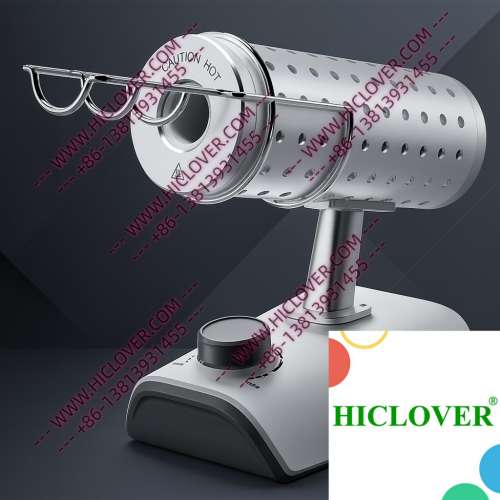
The Micro Incinerator utilizes infrared technology to provide rapid thermal sterilization, eliminating the need for an open flame and enhancing safety in the lab. At its core, the device features an enclosed ceramic heating chamber that generates high-temperature disinfection through precise infrared heat applications. This innovation not only ensures effective sterilization but also reduces the risk of aerosol generation, which is crucial in maintaining a biosafe environment.
Unlike traditional flame sterilizers, the micro incinerator can achieve quicker loop sterilization times and maintain a steady temperature, which is vital for certain sensitive microbiological applications. The clean-bench-safe design of many of these units promotes an environment conducive to sterile workflows.
Key Features of Micro Incinerators
- Rapid thermal sterilization within seconds
- Enclosed design minimizes contamination risk
- Aerosol-free handling, reducing the risk of airborne pathogens
- Compact and portable, suitable for various laboratory settings
- Easy temperature control for sensitive applications
- What is a Micro Incinerator used for? A Micro Incinerator is used to sterilize inoculating loops and other small instruments rapidly, ensuring a contamination-free environment for microbiological work.
- How does infrared sterilization compare to traditional flame sterilization? Infrared sterilization is faster, safer, and minimizes the risk of contamination compared to traditional flame sterilization.
- Are Micro Incinerators suitable for teaching labs? Yes, Micro Incinerators are ideal for teaching labs, as they provide a safe way to demonstrate sterilization techniques without the hazards of open flames.
- Do Micro Incinerators comply with biosafety regulations? Absolutely! They are designed to meet stringent biosafety and sterilization standards, making them suitable for BSL-2 and BSL-3 labs.
- What are the advantages of using a Micro Incinerator in a clinical setting? They provide quick and efficient sterilization, reduce contamination risks, and align with laboratory safety standards.
Practical Applications of Micro Incinerators
The versatility of Micro Incinerators makes them indispensable in various laboratory environments, including:
1. University Teaching Labs
In academic settings, Micro Incinerators serve as essential tools for teaching microbiology or laboratory techniques. Professors can demonstrate effective sterilization methods without the fire hazards associated with traditional flame sources. For instance, during a practical class on microbial culture, students can safely sterilize inoculating loops efficiently using the micro incinerator.
2. Clinical Diagnostics in BSL-2 Labs
In high-compliance laboratory settings, such as BSL-2 or BSL-3 microbiology labs, the Micro Incinerator’s enclosed design meets strict biosafety standards. It allows clinical diagnostics teams to perform sterilization procedures while minimizing contamination risks. The device’s capability for rapid sterilization ensures that workflow disruptions are kept to a minimum, which is vital in a clinical environment where time-sensitive tests are conducted.
Biosafety Compliance and Environmental Considerations
As laboratory practices evolve, adherence to global biosafety regulations becomes paramount. The World Health Organization (WHO) emphasizes the necessity for sterilization protocols that prevent contamination and protect personnel. In France, laboratories must comply with stringent sterilization standards that govern laboratory conditions, particularly in clean rooms.
Micro Incinerators align with these standards by eliminating open flames in clean areas, thus reducing risks related to fire hazards and ensuring aerosol-free handling of infectious materials. Their compact and safe design makes them a preferred choice for both research and clinical laboratories aiming to meet regulatory compliance while enhancing operational efficiency.
Comparison: Micro Incinerator vs. Flame Burners
| Feature | Micro Incinerator | Flame Burners |
|---|---|---|
| Sterilization Time | Seconds | Minutes |
| Risk of Contamination | Minimal | High |
| Aerosol Production | None | Possible |
| Ease of Use | User-friendly | Requires technique |
| Portability | Highly portable | Less portable |
FAQs about Micro Incinerators
Conclusion
As laboratories in France and worldwide continue to evolve in their practices, the adoption of advanced sterilization equipment like Micro Incinerators is pivotal. Their ability to enhance biosafety, streamline workflows, and maintain compliance with international standards positions them as indispensable tools in microbiology, clinical diagnostics, and academic teaching. If your laboratory is seeking to revolutionize its sterilization practices, consider the integration of a Micro Incinerator into your sterilization workflow. For more information or to discuss purchasing options, please contact us today.
Categories:
Tags: