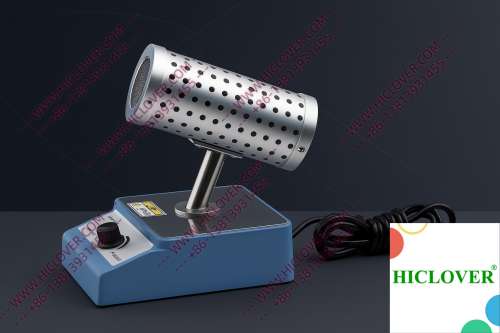
In the dynamic landscape of laboratory research, especially within the vibrant city of Jeddah, practical biosafety challenges and stringent sterilization workflow demands are pressing concerns. As laboratories increasingly grapple with issues of contamination control and compliance with industry standards, the introduction of advanced sterilization technologies plays a pivotal role in enhancing safety and efficiency. Among these technologies, the Micro Incinerator—or Infrared Inoculating Loop Sterilizer—offers remarkable advantages over traditional sterilization methods.
The Technical Principle of Infrared Sterilization
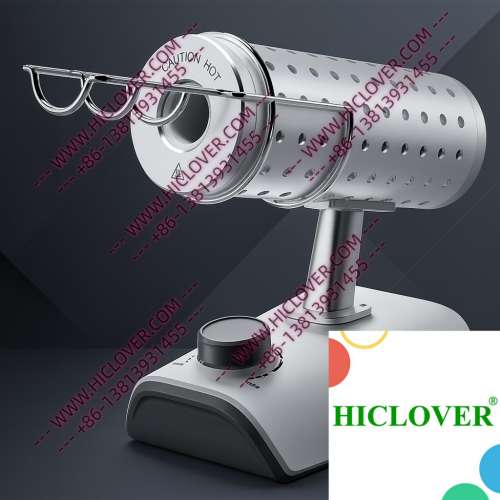
The Micro Incinerator utilizes an innovative mechanism based on infrared heat generation, which enables rapid thermal sterilization. This device is typically constructed with an enclosed ceramic heating chamber that efficiently emits high-temperature infrared radiation. Unlike conventional flame sterilizers, such as Bunsen burners or alcohol lamps, the Micro Incinerator provides a safe, contamination-free environment for sterilizing inoculating loops, needles, and other laboratory instruments.
The core advantage of this device lies in its ability to heat without open flames, assuring a clean-bench-safe operation that minimizes the risk of generating aerosols, which can lead to cross-contamination. In environments where air quality and sterility are paramount, such as BSL-2 or BSL-3 microbiology labs, the Micro Incinerator proves indispensable.
Applications of Micro Incinerators in Laboratory Settings
1. University Teaching Labs
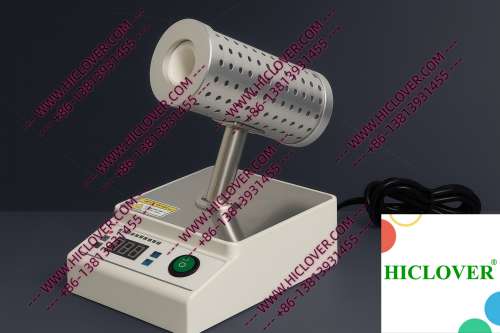
In educational institutions across Jeddah, the importance of biosafety and effective sterilization cannot be overstated. Micro Incinerators have become integral in university teaching labs, where students learn essential laboratory techniques. For instance, during microbiology classes, students use inoculating loops to transfer microbial cultures. The prompt and efficient sterilization of these tools using a Micro Incinerator ensures an uninterrupted learning experience while adhering to biosafety protocols.
2. Clinical Diagnostics and Research Facilities
In clinical diagnostics and active research facilities, the need for contamination control is critical. Utilizing a Micro Incinerator allows laboratory technicians to confidently perform delicate procedures without the worry of infectious agent transmission. In a field testing scenario, for example, environmental samples may be taken from various locations. Upon returning to the lab, technicians rely on infrared sterilization to prepare tools and materials for subsequent analyses. This method not only ensures the reliability of results but also complies with WHO biosafety recommendations.
Compliance with Biosafety and Sterilization Standards
The importance of compliance with international biosafety standards is amplified in the context of laboratory operations in Jeddah. The World Health Organization (WHO) outlines strict guidelines regarding biosafety, emphasizing the need for effective sterilization in laboratories to mitigate risks associated with pathogens and contaminants.
- WHO Biosafety Guidelines
- ISO standards for laboratory sterilization
- CAP regulations for clinical laboratories
- NIH guidelines for handling hazardous materials
In cleanrooms and controlled environments, the absence of open flames is critical. Switching from traditional flame burners to devices like the Micro Incinerator not only meets these requirements but also enhances safety by preventing accidental fires and reducing the inhalation of harmful fumes.
Advantages of Micro Incinerators Over Traditional Flame Sterilizers
| Feature | Micro Incinerator | Flame Burners |
|---|---|---|
| Heat Source | Infrared heating | Open flame |
| Contamination Risk | Minimized | High |
| Safety | Clean-bench-safe | Flammable, inhalant risks |
| Sterilization Time | Rapid | Varies |
| Ease of Use | User-friendly, one-handed operation | Requires two hands |
FAQs About Micro Incinerators
1. What is the main advantage of using a Micro Incinerator?
The main advantage is its ability to provide rapid, flame-free sterilization, minimizing the risk of contamination and enhancing safety in laboratory environments.
2. How does infrared sterilization work?
Infrared sterilization employs infrared radiation to heat instruments quickly and effectively, allowing for high-temperature disinfection without producing aerosols.
3. Are Micro Incinerators compliant with international safety standards?
Yes, they comply with WHO biosafety guidelines and other international standards for laboratory sterilization, ensuring the highest levels of safety and efficacy.
4. Can Micro Incinerators be used in mobile labs?
Absolutely. Their compact design and efficient energy use make them ideal for use in mobile or field-testing laboratories.
5. Why choose a Micro Incinerator over traditional flame sterilizers?
The Micro Incinerator provides greater safety, efficiency, and ease of use, which are essential in modern laboratory settings.
Conclusion
In the evolving landscape of laboratory practices in Jeddah, adopting state-of-the-art sterilization equipment like the Micro Incinerator is crucial for enhancing safety, efficiency, and compliance with biosafety standards. As laboratory supply distributors, hospitals, and universities look to invest in reliable sterilization solutions, the Micro Incinerator stands out as a game-changer in enabling streamlined processes and improved safety. For more information or to explore purchasing options, we encourage you to reach out today!
Categories:
Tags: