
Laboratory safety has become a critical topic in recent years, particularly in biosafety laboratories where contamination control is paramount. Effective sterilization is not just a procedural requirement but essential in maintaining a safe environment to prevent the spread of infectious agents. One of the emerging solutions that align with these safety standards is the Micro Incinerator or Infrared Inoculating Loop Sterilizer. This article explores how this innovative sterilization equipment is redefining laboratory workflows and enhancing biosafety protocols.
The Challenge of Laboratory Sterilization
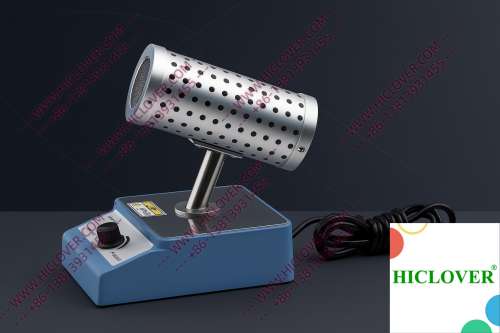
Laboratories, especially those classified as BSL-2 or BSL-3, face unique challenges with their sterilization workflows. Traditional sterilization methods, such as alcohol lamps or Bunsen burners, pose risks of open flames, which not only can lead to accidents but are often unsuitable for environments requiring stringent contamination control. This calls for alternative methods that ensure rapid thermal sterilization while minimizing risks.
Technical Principles of Micro Incinerators
Micro Incinerators leverage infrared heating technology to deliver high-temperature sterilization. The core component is an enclosed ceramic tube that reaches temperatures of up to 800 degrees Celsius in seconds. When sterilizing an inoculating loop or other laboratory tools, the infrared rays effectively eliminate microbial life without the need for flames or chemical agents. This ensures an aerosol-free handling experience, minimizing the risk of airborne contaminants which is particularly vital in clean rooms or biosafety cabinets.
Product Configuration
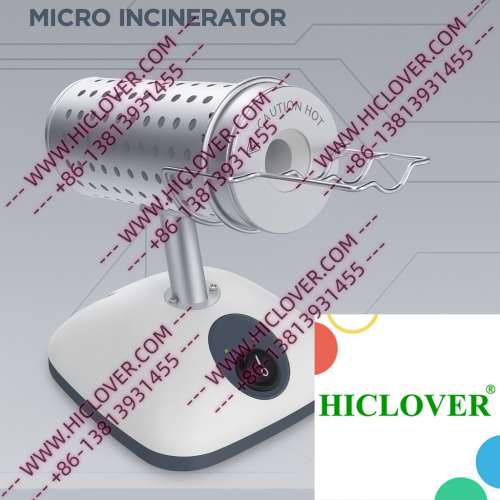
The design of the Micro Incinerator typically includes:
- Infrared Heating Element: Provides quick and efficient sterilization.
- Ceramic Heating Chamber: Offers durability and consistent heat distribution.
- Temperature Control: Enables precise monitoring and adjustment of the sterilization process.
- Compact Design: Allows for seamless integration within biosafety cabinets, maintaining limited space while maximizing functionality.
Applications in Real Labs
1. Biosafety Cabinets
In BSL-2 and BSL-3 laboratories, where handling pathogenic microorganisms is routine, the Micro Incinerator allows users to work safely within biosafety cabinets. The closed nature of the cabinets protects users from exposure, while the Micro Incinerator’s lack of flames and aerosol generation supports compliance with strict biosafety standards.
2. University Teaching Labs
In academic settings, particularly in teaching laboratories, students must learn the best practices in sterilization. Using a Micro Incinerator provides a practical and safe method for them to sterilize tools, educating them on contemporary techniques without the risks associated with traditional flame-based methods. This equipment encourages students to adopt a meticulous approach to contamination control right from the beginning of their training.
Compliance and Environmental Considerations
Adhering to biosafety regulations, such as those set forth by the World Health Organization (WHO), is crucial for all laboratories. With growing emphasis on safety standards, the adoption of non-flame sterilization techniques is encouraged, especially in clean rooms where open flames are prohibited. The Micro Incinerator meets these compliance requirements, significantly reducing the risk of accidental fires while ensuring thorough disinfection. Laboratories utilizing this advanced sterilization equipment demonstrate enhanced commitment to safety and environmental preservation.
Comparison of Micro Incinerators and Traditional Flame Sterilizers
| Feature | Micro Incinerator | Traditional Flame Sterilizers |
|---|---|---|
| Heat Source | Infrared Radiation | Open Flame |
| Safety | No risk of fire | Fire hazard |
| Contamination Control | Aerosol-free | Aerosols produced |
| Efficiency | Rapid sterilization | Slower warming time |
| Space Requirement | Compact design | Bulky equipment |
FAQs
- What is a Micro Incinerator?
A Micro Incinerator is a sterilization device that uses infrared heat to sanitize inoculating loops and other laboratory tools, offering a safe and effective alternative to open flame methods. - How does the Micro Incinerator improve laboratory safety?
By eliminating open flames and aerosols, a Micro Incinerator minimizes risks associated with fire hazards and airborne pathogens, enhancing overall laboratory safety. - In what types of labs is a Micro Incinerator most beneficial?
Micro Incinerators are particularly useful in BSL-2 and BSL-3 microbiology labs, clinical diagnostics, and university teaching laboratories. - How does the device comply with environmental standards?
Its non-flame technology conforms to WHO biosafety regulations, ensuring safe and clean operations within sterile environments, such as clean rooms. - Can the Micro Incinerator be used in the field?
Yes, its compact design makes it suitable for mobile or field testing labs, providing efficient sterilization in varying environments.
Conclusion
The Micro Incinerator or Infrared Inoculating Loop Sterilizer is a transformative piece of sterilization equipment that meets the evolving demands of laboratory biosafety. With its swift thermal sterilization, compliance with stringent standards, and its efficacy in various lab environments, it presents a compelling case for adoption in places like hospitals, universities, and research centers. If you are looking to enhance your lab’s safety protocols and sterilization efficiency, consider integrating the Micro Incinerator. For detailed product specifications or inquiries, feel free to get in touch.
Categories:
Tags: