
In laboratory environments, particularly in Portugal, the focus on biosafety is becoming increasingly critical. Laboratories face various challenges around contamination control, ensuring that sterilization workflows meet stringent safety requirements. Traditional sterilization methods, while effective, often involve open flames that pose risks in clean environments. With the emergence of advanced sterilization technology, portable loop sterilizers are transforming how laboratories conduct sterilization tasks, enhancing both safety and efficiency.
Technical Principles Behind Portable Loop Sterilizers
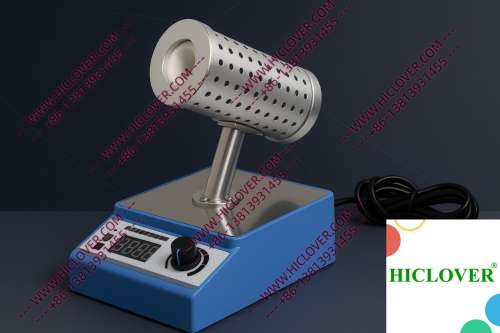
The Micro Incinerator, also known as the Infrared Inoculating Loop Sterilizer, employs innovative technology that significantly improves sterilization processes in laboratory settings. At the core of this device is the ceramic heating chamber, which generates infrared heat. This method allows for rapid thermal sterilization without the risks associated with open flames. Unlike traditional alcohol lamps and Bunsen burners, which can leave behind residues and require constant monitoring, the Micro Incinerator offers a clean, enclosed environment that is safe for use in clean benches and biosafety cabinets.
One of the standout features of the Micro Incinerator is its ability for quick heat-up and cooldown cycles. With a typical operating temperature reaching 800°C, it eradicates microbial contamination effectively in a matter of seconds. The enclosed ceramic tube design not only ensures that the heat is concentrated at the tip of the inoculating loop but also minimizes the risk of aerosol generation, making it suitable for sensitive laboratory procedures and cleanroom environments.
Applications of Portable Loop Sterilizers in Laboratories
1. Biosafety Cabinets
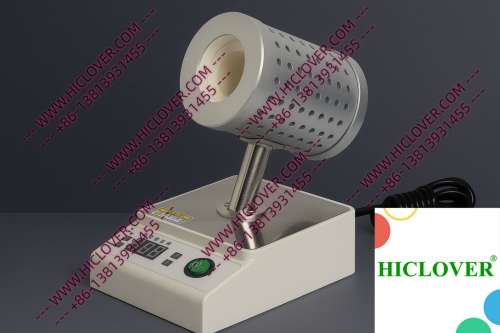
In BSL-2 and BSL-3 microbiology labs, maintaining sterility is paramount. The use of a Micro Incinerator within a biosafety cabinet allows researchers to sterilize inoculating loops without compromising the integrity of the sterile environment. This is crucial when working with pathogenic microorganisms, where cross-contamination could lead to disastrous consequences.
2. Field Testing and Mobile Labs
Field testing presents its own unique set of challenges, particularly in remote locations where access to traditional sterilization setups may be limited. The lightweight and portable design of the Micro Incinerator makes it an ideal solution for mobile laboratories. Researchers can efficiently sterilize tools and samples on-site, ensuring compliance with safety standards while minimizing the risk of contamination.
Compliance and Environmental Considerations
Adhering to biosafety regulations, such as those set forth by the WHO and national laboratory standards, is essential for operational integrity. The Micro Incinerator aligns with these compliance measures, ensuring no open flames are present in sensitive environments where contamination must be strictly controlled. Additionally, the device operates without smoke or harmful emissions, making it environmentally friendlier compared to traditional flame sterilizers.
Advantages of Micro Incinerators Over Traditional Flame Sterilizers
- Safety: Eliminates the risk of open flames in clean environments.
- Efficiency: Rapid sterilization cycles reduce downtime.
- Aerosol Control: Minimizes aerosol generation, crucial for biosafety.
- Cost-effective: Reduces the need for fuel and alcohol maintenance associated with flame sterilizers.
- Concise Design: Enclosed ceramic tube ensures precise heat application and safety.
Comparison: Micro Incinerator vs. Traditional Flame Burners
| Feature | Micro Incinerator | Traditional Flame Sterilizers |
|---|---|---|
| Temperature Control | High precision (800°C) | Variable, uncontrolled |
| Safety | No open flame | Open flame risk |
| Aerosol Generation | Minimal | High risk |
| Cleansing Residue | None | Possible soot or alcohol |
| Portability | Highly portable | Less portable |
Frequently Asked Questions
1. What makes the Micro Incinerator safer than traditional flame sterilizers?
The Micro Incinerator operates without open flames, which drastically lowers the risk of fire hazards and contamination in clean environments.
2. Can I use the Micro Incinerator in a biosafety cabinet?
Yes, the Micro Incinerator is designed for use in biosafety cabinets, providing a safe and enclosed method for tool sterilization.
3. How does the infrared heating process work?
The device utilizes a ceramic heating chamber to generate infrared heat, quickly sterilizing inoculating loops without the need for a flame.
4. Is it compliant with WHO biosafety regulations?
Yes, the Micro Incinerator meets international biosafety standards, ensuring that laboratory procedures adhere to best practices for contamination control.
5. What are the key benefits of using a Micro Incinerator in teaching labs?
It enhances safety, provides quick sterilization, and enables effective teaching of sterilization techniques without the risks associated with flames.
Conclusion
As the demand for laboratory sterilization equipment continues to grow, the Micro Incinerator serves as a revolutionary tool in ensuring effective and safe sterilization processes. Its advantages over traditional flame sterilizers make it particularly appealing to laboratories in Portugal and beyond, from universities to research centers and clinical diagnostics. For those interested in elevating their sterilization practices, reaching out for further information or to make a purchase could be the first step towards enhancing laboratory safety and efficiency.
Categories:
Tags: