
In an era where laboratory biosafety is paramount, the demand for effective sterilization tools has never been higher. Laboratories across Russia face numerous biosafety challenges, including the risk of contamination, operational efficiency, and the necessity to adhere to stringent regulatory standards. As laboratories look for innovative solutions to improve their sterilization workflows, the adoption of Micro Incinerator / Infrared Inoculating Loop Sterilizers has soared, driven by their technical advantages over traditional flame-based sterilizers.
The Technical Principle Behind Infrared Loop Sterilizers
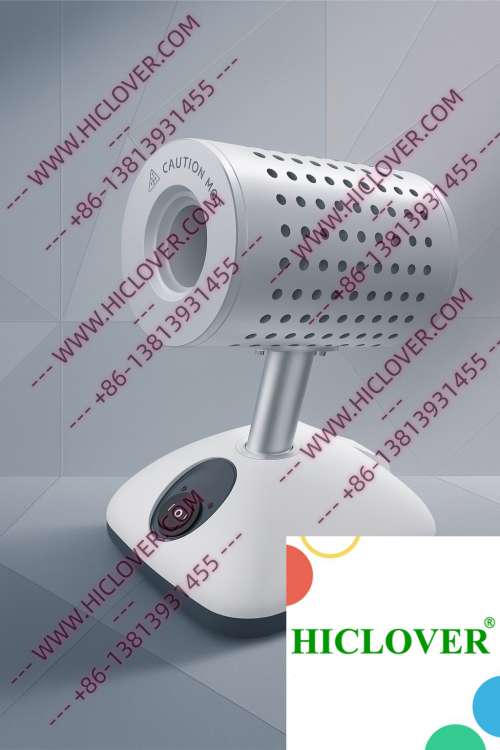
Micro Incinerators, also known as Infrared Inoculating Loop Sterilizers, employ advanced infrared technology for rapid thermal sterilization. This method utilizes enclosed ceramic heating chambers to generate high temperatures, which effectively disinfect inoculating loops and other lab instruments. Unlike flame sterilizers such as alcohol lamps and Bunsen burners, which can produce harmful aerosols and are unsuitable for clean environments, infrared sterilizers offer a clean and precise alternative.
The principle of infrared sterilization revolves around the efficient transfer of heat to the sterilization area without open flames, thereby minimizing contamination risks. The ceramic tube, designed to withstand high thermal loads, ensures rapid heat absorption and provides consistent heating across surfaces. This technology not only enhances safety but also reduces the time required for sterilization, making it ideal for busy laboratories.
Application Scenarios in Real Labs
To illustrate the transformative impact of Micro Incinerators, let’s explore two application scenarios:
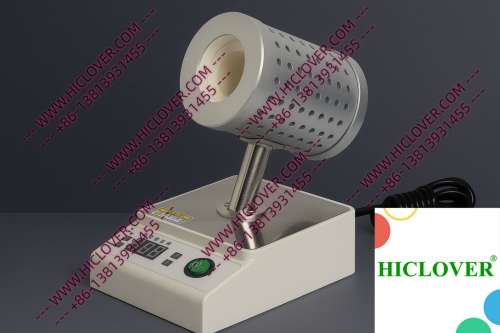
- Biosafety Cabinets: In BSL-2 and BSL-3 microbiology labs, maintaining a sterile environment is crucial. Using Infrared Inoculating Loop Sterilizers in biosafety cabinets eliminates the risk of flame interference, ensuring that the work area remains uncontaminated. Labs conducting high-risk pathogen research rely on this technology to uphold biosafety while streamlining their sterilization process.
- Teaching Labs: University laboratories often face the challenge of instructing students on sterilization techniques while ensuring safety. Infrared Loop Sterilizers provide a user-friendly, flame-free option for educational settings, where managing multiple students and educational tools can present significant risks. Their quick sterilization time enhances productivity and reinforces safe laboratory practices.
Regulatory Compliance and Environmental Considerations
Adherence to international biosafety and laboratory sterilization standards is non-negotiable in facilities handling pathogens. The World Health Organization (WHO) sets guidelines for laboratory safety, emphasizing the need for effective sterilization methods that mitigate contamination risks.
Unlike traditional burners, which can create unwanted aerosols and post-sterilization residues, Infrared Inoculating Loop Sterilizers maintain a clean operational footprint. Their use aligns with clean-room protocols that prohibit open flames and enhance environmental safety. As health organizations and institutions worldwide adopt stricter cleanliness standards, incorporating this innovative sterilization method becomes essential for compliance.
Advantages of Infrared Inoculating Loop Sterilizers Over Traditional Methods
The adoption of Micro Incinerators offers distinct advantages compared to conventional flame sterilizers:
- Rapid thermal sterilization without the risk of open flames.
- Reduced contamination risk in clean-room settings.
- Minimized aerosol generation, protecting the health of lab personnel.
- Compact design, requiring less workspace while maintaining efficiency.
- Consistency in sterilization results, leading to higher reliability.
Micro Incinerator vs. Flame Burners
| Feature | Micro Incinerator | Flame Burners |
|---|---|---|
| Thermal Efficiency | High | Variable |
| Contamination Risk | Low | High |
| Operating Environment | Clean rooms | Not recommended |
| Deployment Time | Instant | Requires setup |
FAQs About Micro Incinerators
1. How does a Micro Incinerator work?
The Micro Incinerator uses ceramic heating technology to generate high temperatures rapidly, allowing for effective sterilization without the use of an open flame.
2. Are Infrared Loop Sterilizers safe to use in classrooms?
Yes, they are designed for safe use in educational settings, providing a flame-free solution to teach sterilization techniques without the risk of fire.
3. What are the maintenance requirements for a Micro Incinerator?
Maintenance is minimal; regular cleaning of the ceramic tube and ensuring the device remains free from debris is generally sufficient to maintain performance.
4. Can a Micro Incinerator be used in BSL-3 labs?
Absolutely, it is suitable for use in BSL-3 labs due to its low contamination risk and compliance with biosafety regulations.
5. How does it compare in cost to traditional flame sterilizers?
While the initial investment may be higher, the long-term savings associated with reduced contamination and increased efficiency often make it more cost-effective.
Conclusion: A New Era in Laboratory Safety
As the landscape of laboratory practices continues to evolve, the adoption of Infrared Inoculating Loop Sterilizers represents a significant leap in medical safety and operational efficiency. Laboratories in Russia and beyond are increasingly recognizing the value of transitioning from traditional flame-based sterilizers to this innovative technology. If your laboratory is looking for reliable, efficient, and compliant sterilization equipment, consider investing in a Micro Incinerator to enhance your biosafety protocols.
For more information or to place an order, please contact us today and take the first step towards revolutionizing your laboratory’s sterilization practices.
Categories:
Tags: