
In modern laboratory practice, particularly in Nagoya’s renowned research centers, biosafety challenges and sterilization workflow demands are paramount. Laboratory professionals regularly navigate the complexities of contamination control while striving to ensure an aseptic environment. In this context, portable loop burners, specifically the Micro Incinerator or Infrared Inoculating Loop Sterilizer, emerge as transformative tools that streamline sterilization processes, significantly enhancing laboratory efficiency and safety.
Understanding Portable Loop Burners and Their Technical Principles
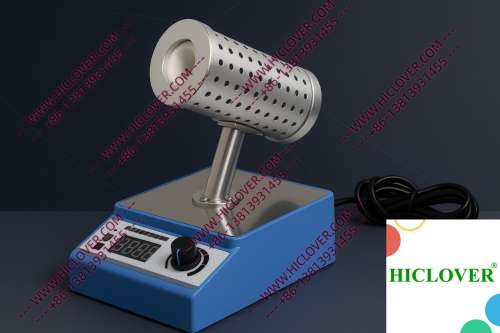
The Micro Incinerator, an infrared inoculating loop sterilizer, operates on the principle of rapid thermal sterilization. Utilizing infrared heat, these sterilizers achieve high temperatures within an enclosed ceramic heating chamber that effectively disintegrates biological material. The technology allows for rapid heating and cooling cycles, ensuring efficient disinfection without the risks associated with traditional flame sterilizers.
- Infrared Heat: Provides high-temperature disinfection in mere seconds.
- Enclosed Ceramic Tube: Ensures safety by preventing accidental flame exposure.
- Aerosol-Free Handling: Reduces the risk of airborne contamination.
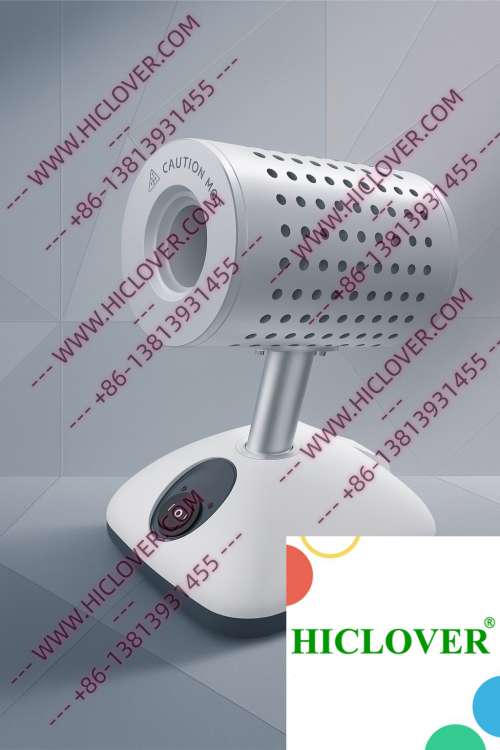
Unlike conventional methods such as alcohol lamps and Bunsen burners, which require open flames, the Micro Incinerator offers a clean-bench-safe alternative, minimizing the release of aerosols and reducing the risk of cross-contamination during laboratory procedures. This makes it an ideal choice for employees in busy microbiology labs, especially those operating under BSL-2 or BSL-3 biosafety standards.
Application Scenarios in Real Labs
Biosafety Cabinets and Clinical Diagnostics
In a biosafety cabinet setting, laboratory technicians often rely on the Micro Incinerator to sterilize inoculating loops and needles swiftly and efficiently. Its compact size and effectiveness enable seamless integration into the workflow, allowing researchers to maintain stringent biosafety protocols while increasing productivity. The rapid thermal sterilization provided by the device proves particularly beneficial in clinical diagnostics, where sterile conditions are critical in preventing contamination and erroneous results.
Field Testing and University Teaching Labs
Field testing can expose laboratory personnel to various challenges, particularly regarding sterilization equipment. The lightweight nature of the Micro Incinerator makes it an excellent choice for mobile labs operating under diverse conditions. Furthermore, in university teaching labs, where students are being trained on best laboratory practices, the device serves as a safe and effective method for demonstrating sterilization techniques without the associated hazards of flame-based systems.
Biosafety Compliance and Environmental Awareness
Adhering to international biosafety standards is non-negotiable in any laboratory setting. The World Health Organization (WHO) outlines strict guidelines for laboratory safety, particularly focusing on sterilization methods that prevent cross-contamination. The use of non-flame sterilizers like the Micro Incinerator aligns with best practices in biosafety compliance and is particularly advantageous in maintaining clean rooms where open flames are strictly prohibited.
Moreover, the environmental considerations of using infrared sterilizers further attract attention. Flame-based systems often require fuels that may contribute to environmental degradation. In contrast, the Micro Incinerator operates without combustion, making it a more sustainable choice for forward-thinking laboratories. This blend of safety, efficiency, and environmental responsibility resonates with the goals of many research institutions in Nagoya and beyond.
Advantages Over Traditional Flame Sterilizers
| Feature | Micro Incinerator | Flame Burners |
|---|---|---|
| Safety | Non-flame, enclosed design | Open flame, risk of burns |
| Speed of Sterilization | Seconds | Minutes |
| Cross-Contamination Risk | Low (aerosol-free) | High |
| Environmental Impact | Low (electricity usage) | Medium (fuel consumption) |
FAQs
What are the primary benefits of using a Micro Incinerator in laboratory settings?
The Micro Incinerator offers rapid thermal sterilization, increased safety without open flames, reduced risk of contamination, and compliance with biosafety standards.
How does the operation of an infrared inoculating loop sterilizer differ from traditional sterilizers?
Unlike traditional sterilizers that rely on flame, the infrared inoculating loop sterilizer uses efficient infrared heat that quickly sterilizes instruments in seconds, while also preventing aerosol generation.
Can Micro Incinerators be used in field testing environments?
Yes! The portable design and rapid sterilization capability of Micro Incinerators make them ideal for field testing laboratories that require both mobility and effective sterilization solutions.
Are Micro Incinerators compliant with WHO biosafety guidelines?
Absolutely. The use of Micro Incinerators aligns with WHO biosafety guidelines, especially in settings where minimizing contamination risk is critical.
What maintenance is required for a Micro Incinerator?
Minimal maintenance is required – routine cleaning and periodic checks ensure optimal operation. Regular inspections are recommended to maintain high standards of sterilization efficiency.
Conclusion
As the landscape of laboratory research evolves, the Micro Incinerator stands out as a game-changer. By enhancing sterilization workflows, maintaining high biosafety compliance, and addressing environmental concerns, it supports lab professionals in their pursuit of scientific accuracy and safety. If you’re interested in elevating your laboratory operations with this innovative sterilization solution, we invite you to contact us for more information and purchase options.
Categories:
Tags: