
As laboratory environments increasingly prioritize biosafety and operational efficiency, traditional sterilization methods are evolving. The challenges of maintaining contamination control in various settings are forcing laboratories to adopt more innovative solutions. Among these, the Micro Incinerator—in particular, the Infrared Inoculating Loop Sterilizer—has emerged as a game-changing technology for rapid thermal sterilization.
Understanding the Technical Principles
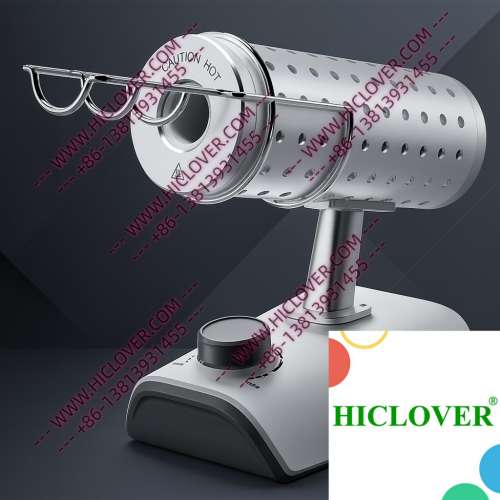
The Micro Incinerator operates on the principle of infrared heat sterilization. Unlike traditional flame-based methods that rely on open flames, which can pose safety hazards, the Micro Incinerator features an enclosed ceramic heating chamber. This design allows for precise control of temperature, enabling rapid and effective disinfection of inoculating loops, needles, and other small instruments used in microbiological and clinical laboratories.
Infrared high-temperature disinfection offers several distinct advantages over conventional sterilization techniques:
- Safety: No open flame means reduced risk of fire and safer usage in clean rooms.
- Efficiency: Rapid heating and cooling cycles minimize downtime between assays.
- Portability: Lightweight design facilitates use in the field or mobile labs.
- Environmental Control: Generates no aerosols, maintaining a clean working environment.
Real-World Applications in Laboratories
1. Biosafety Cabinets
In BSL-2 and BSL-3 microbiology labs, where pathogens are handled, the Micro Incinerator ensures compliance with biosafety standards. The ability to sterilize instruments rapidly helps maintain a sterile environment critical for experiments involving infectious agents. For example, labs can use the Micro Incinerator to quickly sterilize loops after each inoculation, significantly reducing cross-contamination risks.
2. Field Testing and Mobile Labs
Mobile laboratories conducting field tests often face the challenge of limited resources. With the Micro Incinerator, researchers can sterilize their equipment directly in the field. This has proven vital for clinical diagnostics in outbreak situations, where speed and safety are of utmost importance. By using portable sterilizers, laboratory technicians can ensure that all items are adequately disinfected while adhering to strict bio-protocols.
Compliance: Meeting Safety and Sterilization Standards
Compliance with global biosafety standards is a critical aspect of laboratory operations. The World Health Organization (WHO) emphasizes the need for effective sterilization as a guardian against contamination. The Micro Incinerator aligns with these stringent requirements, providing safe, flame-free operation, which is especially crucial in cleanroom environments.
Here’s a comparison of how the Micro Incinerator stacks up against traditional flame sterilizers:
| Feature | Micro Incinerator | Flame Sterilizer |
|---|---|---|
| Temperature Control | Precise, adjustable | Variable, less controllable |
| Safety | No open flame | Risk of fire |
| Use in Clean Rooms | Yes | No |
| Efficiency | Rapid heating/cooling | Slow |
Frequently Asked Questions (FAQs)
What is the ideal temperature range for the Micro Incinerator?
The Micro Incinerator typically operates at temperatures between 300°C to 900°C, providing flexibility for various sterilization tasks.
Can the Micro Incinerator be used in field environments?
Yes, its portable design makes it highly suitable for field testing and mobile labs, ensuring sterilization is effective, even in remote locations.
How does this device compare to alcohol lamps?
Unlike alcohol lamps which can produce harmful fumes and create aerosolized pathogens, the Micro Incinerator allows for aerosol-free handling and is a much safer option for modern labs.
Is the Micro Incinerator compliant with WHO biosafety standards?
Absolutely, the device meets the necessary biosafety compliance criteria set forth by WHO and other health organizations for laboratory sterilization.
What makes the Micro Incinerator a better choice for teaching labs?
In teaching environments, the Micro Incinerator’s user-friendly design aids in instructing students on proper sterilization techniques without the hazards associated with flames.
Conclusion
The Micro Incinerator and its infrared sterilization technology represent a transformative solution for laboratories in New Zealand and around the world. By enhancing safety while improving workflow efficiency, this innovative sterilizer addresses the contemporary needs of various laboratory settings, from university teaching labs to clinical diagnostics. For those interested in upgrading their laboratory sterilization equipment, we invite you to explore our offerings and experience the future of laboratory biosafety. Contact us today for more information!
Categories:
Tags: