
In the dynamic landscape of laboratory operations, challenges surrounding biosafety and sterilization workflows are ever-present. Researchers, educators, and clinical professionals must navigate the complexities of contamination control while ensuring compliance with sterilization standards. Among the myriad of safety innovations, the Micro Incinerator, or Infrared Inoculating Loop Sterilizer, is paving the way for a revolution in sterilization techniques within modern healthcare.
Understanding the Technical Principles of Infrared Sterilization
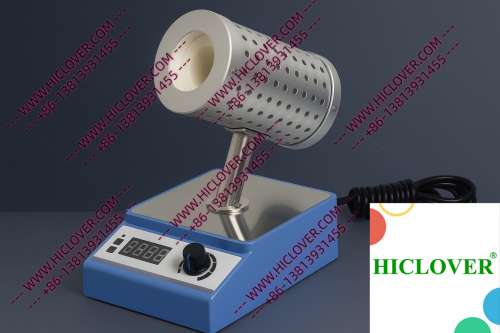
The Micro Incinerator operates on the principle of rapid thermal sterilization. This advanced piece of equipment utilizes an enclosed ceramic heating chamber to achieve high temperatures quickly, effectively eliminating microbial life. Unlike traditional methods that involve open flames, the infrared heating technology ensures even heat distribution and minimizes the risk of aerosols. This makes the Micro Incinerator an ideal choice for sensitive environments, including BSL-2 and BSL-3 microbiology laboratories.
Benefits Over Traditional Flame Sterilizers
- Efficiency: Rapid thermal sterilization drastically reduces the time needed for sterilizing inoculating loops.
- Safety: No open flames create a clean-bench-safe operation, reducing the risk of accidental fires.
- Contamination Control: The enclosed design minimizes aerosol generation, ensuring a sterile working environment.
- Durability: Ceramic components withstand high temperatures, offering a longer lifespan compared to flame burners.
- Safe operation in cleanrooms where open flames are prohibited.
- Aerosol-free handling which complies with numerous national safety regulations.
- Durability and efficacy that aligns with protocols established by health organizations globally.
- What is a Micro Incinerator used for? The Micro Incinerator is primarily used to sterilize inoculating loops and other small laboratory tools quickly and efficiently.
- How does infrared sterilization differ from traditional methods? Infrared sterilization utilizes high temperatures within an enclosed space, reducing contamination risks and improving safety compared to open flames.
- Is it safe to use the Micro Incinerator in a BSL-2 lab? Yes, the Micro Incinerator complies with biosafety standards and is safe for use in BSL-2 environments, given its aerosol-free operation.
- Can I use the Micro Incinerator outdoors? Absolutely! Its compact design and efficient sterilization make it perfect for mobile and field testing laboratories.
- What maintenance does the Micro Incinerator require? Regular cleaning of the ceramic heating element and surface maintenance is recommended to ensure optimal performance.
Application Scenarios in Real Laboratories
1. Teaching Laboratories in Universities
In university settings, teaching labs often require a balance between educational efficacy and safety protocols. The Micro Incinerator has proven invaluable for instructors conducting microbiology experiments. It allows students to perform inoculation techniques safely while reinforcing biosafety practices. With its rapid sterilization capabilities, students can swiftly transition between experiments, maximizing their learning outcomes without compromising safety.
2. Field Testing and Mobile Laboratories
Field testing presents unique challenges, particularly regarding sterilization and contamination control in outdoor environments. Mobile laboratories equipped with Micro Incinerators can easily access remote testing sites while adhering to strict sterilization protocols. The compact design of these sterilizers makes them ideal for environments lacking extensive apparatus. In addition, the infrared operating principle ensures that sterilization occurs without combustion byproducts, facilitating clear air quality for field researchers.
Compliance with Biosafety Standards
Compliance with biosafety guidelines is essential for laboratories worldwide. The World Health Organization (WHO) emphasizes strict laboratory sterilization standards to mitigate risks associated with hazardous biological materials. The Micro Incinerator meets these stringent requirements by providing:
Comparison of Micro Incinerator vs Flame Sterilizers
| Feature | Micro Incinerator | Flame Sterilizers |
|---|---|---|
| Operating Principle | Infrared rapid thermal sterilization | Open flame combustion |
| Aerosol Generation | Minimized | High |
| Safety in Clean Environments | Yes | No |
| Heat Distribution | Even heat via ceramic tube | Variable |
| Durability | Long-lasting ceramic components | Flame-sensitive materials |
FAQs About Micro Incinerator Use
Conclusion
The integration of biosecure sterilization equipment like the Micro Incinerator into modern healthcare laboratories marks a significant advancement in maintaining safety and efficiency. With its rapid sterilization capabilities, adherence to biosafety standards, and applicability in various lab settings—from university teaching labs to mobile field testing—the Micro Incinerator is a must-have for any forward-thinking laboratory. For inquiries or to explore the purchase options further, don’t hesitate to reach out to us for more information.
Categories:
Tags: