
In the rapidly evolving landscape of laboratory technology, effective and efficient sterilization techniques are paramount for biosafety. Traditional methods such as Bunsen burners and alcohol lamps are being phased out in favor of more innovative solutions to meet the rigorous demands of contamination control.
Laboratory Biosafety Challenges and Workflow Demands
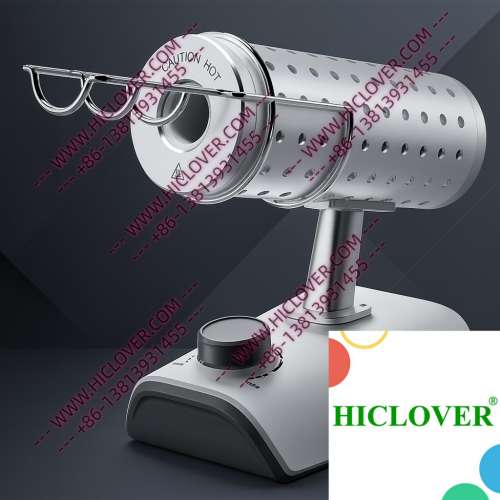
Laboratories, especially those operating under BSL-2 and BSL-3 standards, face immense pressures to enhance their sterilization workflow while minimizing contamination risks. Flame sterilizers, though commonly used, present notable challenges such as aerosol generation, uneven heating, and compliance issues in clean environments. As a result, the need for advanced solutions like the Micro Incinerator/Infrared Inoculating Loop Sterilizer has arisen.
Technical Principles of the Micro Incinerator
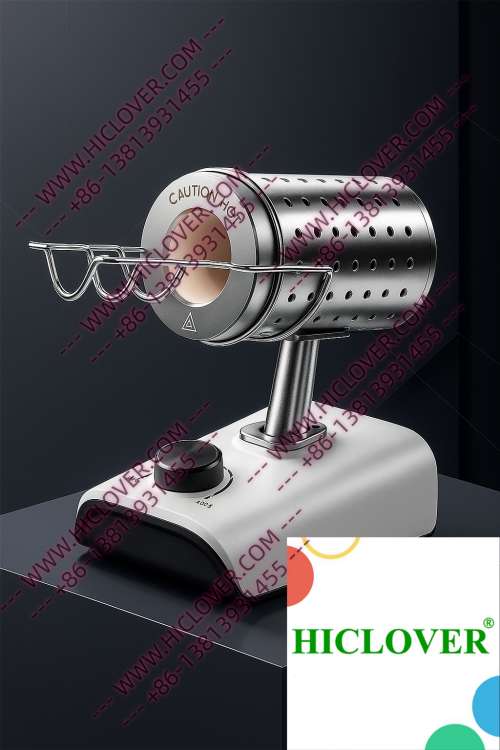
The Micro Incinerator employs infrared heat within an enclosed ceramic tube, delivering rapid thermal sterilization. This configuration enables high-temperature disinfection without the risks associated with open flames, ensuring a clean and safe environment for sensitive laboratory operations. The ceramic heating chamber provides consistent heating, rapidly eliminating microbial contamination on inoculating loops, needles, and other small lab tools.
Application Scenarios in Real Labs
1. In Teaching Labs
University laboratories are an ideal environment for utilizing the Micro Incinerator. By replacing traditional flame sterilizers, instructors can teach students proper sterilization techniques without the hazards of open flames. This fosters a learning atmosphere focused on modern biosafety practices.
2. In Clinical Diagnostics
In a clinical diagnostics lab, the use of a Micro Incinerator streamlines the workflow when handling samples. The risk of contamination is significantly reduced, and with aerosol-free handling, technicians can work with confidence. Seamless integration with biosafety cabinets further enhances the overall safety and efficacy of lab operations.
Compliance and Environmental Considerations
Compliance with WHO biosafety standards and lab sterilization regulations is crucial. Traditional flame sterilizers can potentially generate aerosols, jeopardizing a contaminated environment, particularly in clean rooms. The infrared inoculating loop sterilizer mitigates this by operating without flames, adhering to strict laboratory safety regulations and promoting a cleaner working atmosphere.
Comparison of Sterilization Technologies
| Feature | Micro Incinerator | Flame Sterilizers |
|---|---|---|
| Heating Method | Infrared Heat | Open Flame |
| Contamination Control | Aerosol-Free | Exposes to Aerosols |
| Safety | High | Moderate |
| Efficiency | Rapid Sterilization | Time-Consuming |
| Design | Portable & Enclosed | Bulky & Open |
FAQs
- What makes the Micro Incinerator superior to flame sterilizers?
Its aerosol-free operation, rapid thermal sterilization capacity, and enhanced safety makes it a preferred choice for modern laboratories.
- Can the Micro Incinerator be used in BSL-3 labs?
Yes, it is designed to meet the stringent safety requirements and biosafety standards of BSL-3 laboratories.
- How does infrared heating work in the Micro Incinerator?
Infrared heating provides concentrated, rapid heat that sterilizes tools without producing flames or aerosols, making it safe for confined environments.
- Is the Micro Incinerator suitable for mobile labs?
Definitely! Its portable design and efficient operation make it a perfect fit for field-testing laboratories.
- What are the environmental benefits of using a Micro Incinerator?
This technology eliminates the risk of aerosol generation associated with flames, promoting a more environmentally friendly and safer laboratory environment.
Conclusion: Transform Your Laboratory Operations
As laboratories in Miami and beyond strive to elevate their sterilization methods, the Micro Incinerator / Infrared Inoculating Loop Sterilizer emerges as a front-runner. By transitioning to this innovative technology, laboratories can enhance their biosafety protocols, streamline workflows, and ultimately provide better outcomes in their respective fields. Explore the revolution in sterilization equipment and consider investing in this transformative technology to improve your laboratory’s efficiency and safety.
For inquiries or to discuss purchasing options, contact us today to revolutionize your laboratory sterilization practices.
Categories:
Tags: