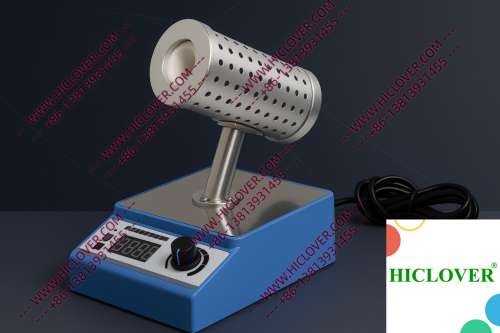
The demand for effective sterilization methods in laboratory environments is rising, particularly in the bustling hospitals of New Delhi. With an increased emphasis on biosafety and contamination control, traditional flame sterilizers, such as Bunsen burners and alcohol lamps, are becoming outdated. Flame-based methods not only pose risks of combustion but also generate aerosols, compromising the sterile environment necessary for laboratory experiments. This is where modern solutions like the Micro Incinerator or Infrared Inoculating Loop Sterilizer come into play, providing rapid thermal sterilization without the associated hazards of flames.
The Technical Principles Behind Micro Incinerators
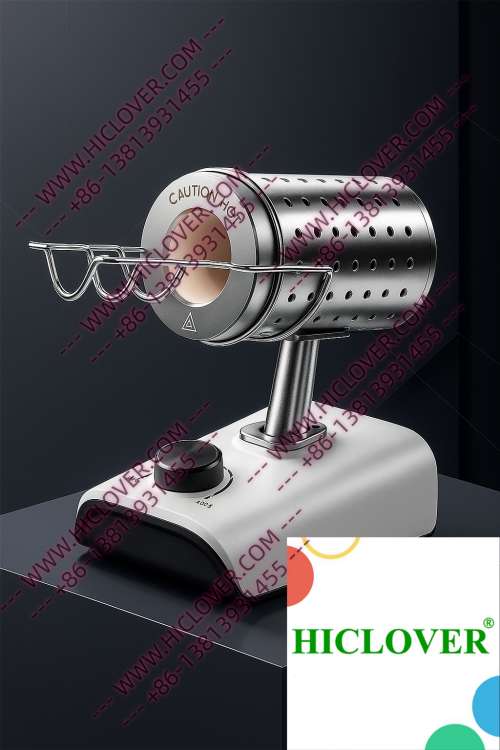
The Micro Incinerator utilizes infrared heat to achieve high-temperature disinfection efficiently. This sterilization device consists of an enclosed ceramic heating chamber that ensures uniform temperature distribution. Unlike traditional sterilizers, which can introduce airborne contaminants during the flaming process, the infrared sterilizer ensures safe and effective sterilization through direct heat without open flames.
Key Features of the Micro Incinerator:
- Rapid Sterilization: Reaches temperatures of up to 800°C within seconds.
- Cleaner Environment: Minimizes aerosol generation for enhanced safety.
- Low Maintenance: The ceramic heating element is durable and easy to clean.
- Portable: Compact design suitable for various lab settings.
Practical Applications in Laboratory Settings
Laboratory sterilization equipment is vital in several scenarios. Here are a couple of application scenarios highlighting the advantages of Micro Incinerators:
Biosafety Cabinets
In BSL-2 and BSL-3 microbiology labs, maintaining a sterile workspace is crucial. When using inoculating loops in a biosafety cabinet, the Micro Incinerator can effectively and quickly sterilize the equipment without exposing the operator to the igniting hazards of flames. This improves workflow efficiency and drastically reduces the chances of contamination, allowing researchers to focus more on their experiments rather than worrying about sterilization processes.
Field Testing
Mobile laboratories operating in field conditions, such as environmental monitoring or clinical diagnostics, often face unique challenges. A Micro Incinerator, due to its compact and portable design, offers an ideal sterilization solution, ensuring that researchers can easily sterilize their equipment and samples on the go. This presents a significant advantage over conventional flame-based methods, which can be cumbersome and unsafe in portable setups.
Compliance and Environmental Considerations
Compliance with international biosafety standards is crucial for laboratories in New Delhi and beyond, where WHO biosafety guidelines govern laboratory practices. The Micro Incinerator adheres to these protocols by providing a clean, flame-free sterilization method suitable for cleanrooms and teaching labs. The absence of flames means that there’s no risk of fire hazards, which is especially important in labs where flammable materials might be present. Additionally, its design not only complies with safety regulations but also aligns with environmentally friendly practices, reducing emissions and promoting clean laboratory environments.
Comparative Analysis: Micro Incinerator vs. Traditional Flame Burners
| Feature | Micro Incinerator | Flame Burner |
|---|---|---|
| Temperature Control | Precise, adjustable | Variable, depends on gas flow |
| Aerosol Generation | Minimal | High |
| Ignition Risk | None | High |
| Maintenance | Low | High, requires gas supply and regulators |
Frequently Asked Questions
What is a Micro Incinerator, and how does it work?
A Micro Incinerator is a laboratory sterilization device that utilizes infrared heat to sterilize inoculating loops quickly and effectively, ensuring no risk of combustion or aerosol generation.
Why choose a Micro Incinerator over a flame burner?
The Micro Incinerator offers safer, cleaner sterilization with enhanced temperature control and minimal maintenance compared to traditional flame methods.
Can Micro Incinerators be used in cleanrooms?
Yes, Micro Incinerators are designed to be clean-bench-safe, meaning they can be effectively used in cleanrooms without the risk of contamination from fumes or flames.
How does the Micro Incinerator impact laboratory workflow?
By providing rapid thermal sterilization without the hazards associated with flames, the Micro Incinerator streamlines laboratory protocols, allowing researchers to focus on their core activities.
Are there any specific biosafety standards for using Micro Incinerators?
Yes, Micro Incinerators comply with WHO biosafety guidelines and other relevant lab sterilization standards, making them suitable for various biosafety levels, including BSL-2 and BSL-3.
Conclusion
The integration of Micro Incinerators within laboratories not only enhances the safety and efficacy of sterilization processes but also aligns with international biosafety standards, providing peace of mind for medical practitioners and researchers in New Delhi. As the demands for robust laboratory sterilization equipment rise, investing in high-quality products such as the Infrared Inoculating Loop Sterilizer represents a forward-thinking approach to laboratory safety and efficiency. For inquiries or to place an order for the Micro Incinerator, please reach out to us today!
Categories:
Tags: