
Laboratory biosafety is an ever-evolving challenge, particularly as research expands in fields like microbiology and clinical diagnostics. In Vietnam, where the demand for sterile environments is paramount, effective sterilization is crucial for maintaining sample integrity, ensuring worker safety, and fulfilling regulatory compliance. Traditional methods, such as open flame sterilization with alcohol lamps or Bunsen burners, present several challenges, including contamination risk and inconsistent performance. This is where the Micro Incinerator / Infrared Inoculating Loop Sterilizer emerges as a game-changer, revolutionizing how laboratories across the country manage sterilization.
Understanding the Micro Incinerator: Technical Principles
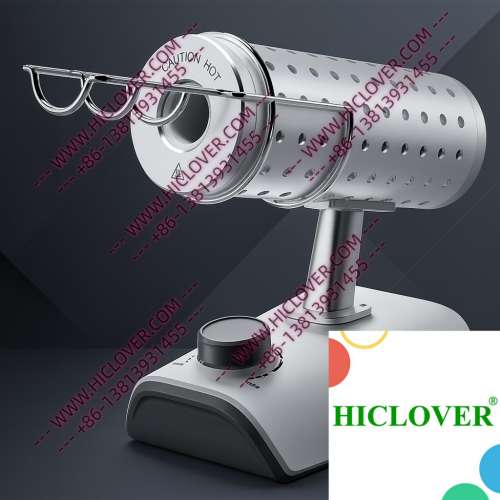
The Micro Incinerator operates on the principle of infrared heat, utilizing a closed ceramic tube that efficiently generates high temperatures to achieve rapid thermal sterilization. The unique design of the device allows for aerosol-free handling and minimizes the risk of contamination present in traditional flame methods. The infrared heating technology enables quick and efficient disinfection within a compact footprint, making it an ideal solution for various laboratory settings.
- Rapid Thermal Sterilization: Achieves optimal sterilization in mere seconds.
- Contamination Control: Reduces the chances of aerosol generation and sample cross-contamination.
- Safe Operation: Provides clean-bench-safe functionality, ensuring compliance in sensitive laboratories.
Applications in Real Laboratories
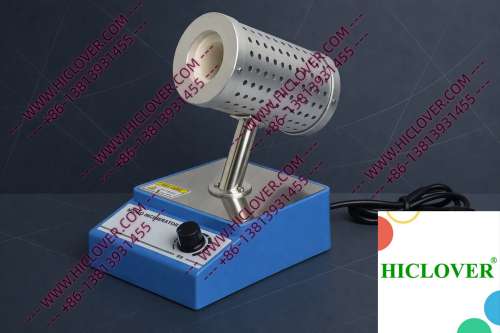
Micro Incinerators can be utilized in multiple scenarios, proving their versatility and effectiveness in enhancing laboratory workflow efficiency.
1. Biosafety Cabinets for Microbial Research
In BSL-2 and BSL-3 microbiology labs, the Micro Incinerator plays an essential role in ensuring strict compliance with biosafety protocols. Within a biosafety cabinet, researchers can use the sterilizer to quickly and safely decontaminate inoculating loops and other implements without opening the cabinet, thus maintaining the integrity of the sterile environment. The rapid heating technology allows researchers to shift focus back to tasks much faster than traditional methods allow.
2. Field Testing and Mobile Labs
In rural or resource-limited settings, field testing often requires effective sterilization methods. The portable nature of the Micro Incinerator makes it suitable for field labs, where conditions might not support traditional sterilization techniques. Researchers can utilize it to sterilize tools directly on-site, ensuring that sample collection remains uncontaminated and reliable while adhering to the necessary biosafety measures.
Compliance and Safety Standards
Laboratory sterilization must align with global standards and local regulations, such as those outlined by the World Health Organization (WHO). Micro Incinerators adhere to the stringent requirements for sterilization in cleanrooms, where flame-based sterilization is often prohibited to avoid aerosol generation and potential contamination. Unlike traditional alcohol lamps and Bunsen burners, the Micro Incinerator provides a clean and compliant solution in environments where operational safety must be prioritized.
Biosafety Compliance Reference
The WHO’s recommendations emphasize the need for effective sterilization methods that minimize contamination risks, particularly in labs dealing with pathogens.
Comparison of Sterilization Methods
| Feature | Micro Incinerator | Flame Burners |
|---|---|---|
| Speed of Sterilization | Seconds | Minutes |
| Aerosol Generation | No | Yes |
| Contamination Control | High | Variable |
| Ease of Use | User-friendly | Requires skill |
Frequently Asked Questions
- What is a Micro Incinerator, and how does it work?
A Micro Incinerator utilizes infrared heating technology to sterilize inoculating loops effectively and rapidly, ensuring contamination-free handling without open flames. - Why is the Micro Incinerator considered safer than flame methods?
The Micro Incinerator reduces the risk of aerosolization and cross-contamination while providing clean, consistent thermal sterilization, making it suitable for sensitive laboratory environments. - How does the Micro Incinerator comply with WHO guidelines?
It meets stringent requirements set for laboratory sterilization processes by providing a reliable, flame-free solution to minimize contamination risks.
Conclusion
The Micro Incinerator / Infrared Inoculating Loop Sterilizer is reshaping the landscape of laboratory sterilization in Vietnam, offering enhanced efficiency, safety, and compliance over traditional methods. As laboratories continue to prioritize biosafety and operational effectiveness, investing in modern sterilization technology will be crucial for future advancements. If you’re interested in elevating your laboratory’s sterilization capabilities, don’t hesitate to reach out to our team for more information on our high-quality solutions.
Categories:
Tags: