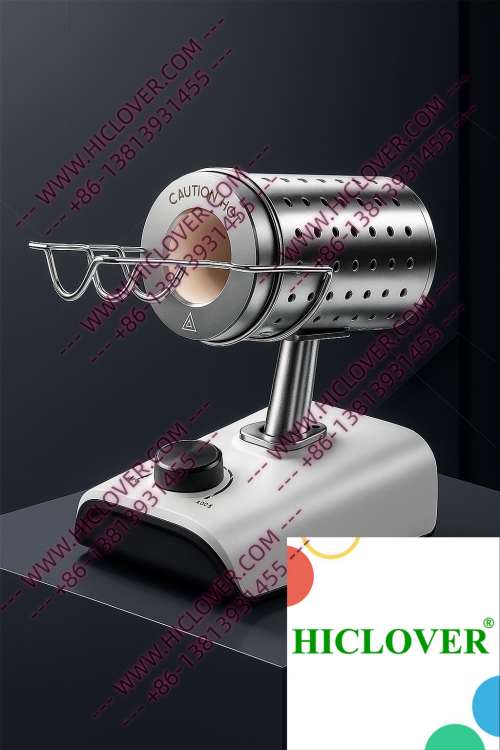
In the fast-paced world of laboratory research, maintaining optimal biosafety standards and effective sterilization workflows is essential. Houston’s research facilities, renowned for their advancements in microbiology and clinical diagnostics, face increasing demands for contamination control and sterilization efficiency. Traditional flame sterilizers, such as alcohol lamps and Bunsen burners, can pose risks such as open flames, requiring additional safety measures. Enter the Micro Incinerator / Infrared Inoculating Loop Sterilizer, a groundbreaking solution that is transforming sterilization practices in laboratories across Houston.
Challenges in Laboratory Biosafety
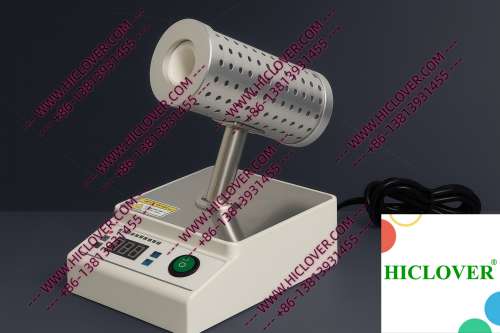
Laboratories, especially those operating under stringent BSL-2 and BSL-3 standards, encounter numerous challenges in biosafety and sterilization procedures. The need for rapid thermal sterilization solutions has never been more critical, driven by the growing emphasis on minimizing contamination and protecting researchers and the environment. Additionally, in environments like biosafety cabinets where open flames are impractical, advanced sterilization techniques are mandatory.
Understanding Micro Incinerators
The Micro Incinerator / Infrared Inoculating Loop Sterilizer harnesses the power of infrared heat to achieve high-temperature disinfection with efficiency and safety. This innovative device features a enclosed ceramic heating chamber that quickly reaches sterilization temperatures, optimizing the workflow while minimizing the risk of aerosol contamination. The product’s unique design ensures that the sterilization process occurs rapidly and provides a more uniform heat distribution compared to traditional flame sources.
Technical Principles and Configuration
Utilizing an infrared heating element, the Micro Incinerator allows for instant sterilization of inoculating loops and other tools without the risk associated with open flames. The ceramic tube’s insulation enables the device to maintain constant temperatures while reducing energy consumption, making it both efficient and environmentally friendly.
Applications in Research and Teaching Facilities
The Micro Incinerator excels in various laboratory environments, enhancing biosafety and operational efficiency. Here are two application scenarios that exemplify its benefits:
- Biosafety Cabinet Operations: Within a biosafety cabinet, maintaining a sterile environment is crucial to prevent contamination. The Micro Incinerator’s aerosol-free handling and rapid sterilization capabilities allow researchers to interact safely with pathogens, ensuring reliable results in microbiological studies.
- University Teaching Labs: In educational settings, the Micro Incinerator enhances the learning experience by providing students with a user-friendly sterilization tool. Its safety features reduce the risks associated with flame-based devices, allowing educators to focus on teaching critical laboratory techniques without compromising safety.
Compliance and Environmental Considerations
Adhering to international biosafety standards, such as those set by the WHO, is pivotal for modern laboratories. The Micro Incinerator aligns with these regulatory guidelines, eliminating the need for flames in clean rooms and significantly reducing the risks of chemical exposure. Its streamlined operation and environmental friendliness make it a superior choice for laboratories committed to sustainability while maintaining compliance with lab sterilization standards.
Comparison: Micro Incinerator vs. Traditional Flame Burners
| Features | Micro Incinerator | Flame Burners |
|---|---|---|
| Type of Heat | Infrared | Open Flame |
| Contamination Risk | Low | High |
| Safety Features | Enclosed System | Open Flames |
| Energy Efficiency | High | Low |
| Temperature Control | Precise | Variable |
Frequently Asked Questions
- How does a Micro Incinerator work? The Micro Incinerator uses infrared heat to rapidly sterilize inoculating loops and tools within an enclosed ceramic tube, resulting in effective disinfection without the risks of open flames.
- What are the advantages over traditional flame sterilizers? Compared to flame sterilizers, the Micro Incinerator offers lower contamination risk, increased safety, better energy efficiency, and precise temperature control.
- Can it be used in BSL-3 laboratories? Yes, it is designed to meet the stringent safety requirements of BSL-3 laboratories, providing an ideal solution for sterilization in high-containment environments.
- Is it suitable for teaching labs? Absolutely! The Micro Incinerator is an excellent educational tool that allows students to learn sterilization techniques without the hazards associated with traditional flame methods.
- What maintenance is required for the Micro Incinerator? Minimal maintenance is required, primarily focused on keeping the ceramic tube clean and ensuring the device is functioning correctly.
Conclusion
As Houston’s research facilities strive for excellence in laboratory operations, the adoption of Micro Incinerators will undoubtedly enhance biosafety and efficiency. This innovative sterilization equipment is a reliable choice for hospitals, universities, research centers, and NGOs looking to transform their sterilization workflows. Now is the perfect time to invest in this state-of-the-art technology. Contact us today to learn more about how our Infrared Inoculating Loop Sterilizer can meet your laboratory’s needs!
Categories:
Tags: