
In contemporary laboratories, ensuring biosafety has become a critical mandate, especially given the complex nature of biological research and the threat of contamination. Laboratory sterilization equipment must not only be efficient but also compliant with stringent biosafety protocols. Traditional methods, such as flame sterilizers, while widely used, present numerous challenges, particularly in terms of safety, usability, and contamination control. Enter the Micro Incinerator, or Infrared Inoculating Loop Sterilizer, a game-changer in the quest for optimal sterilization in laboratory environments.
Understanding the Micro Incinerator: Technical Principles and Configuration
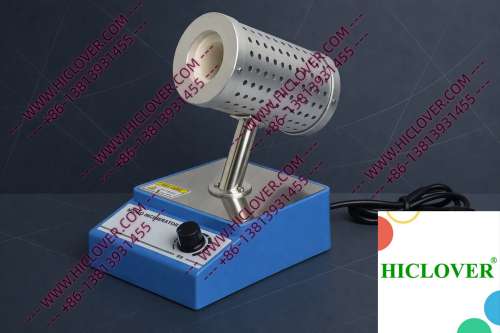
The Micro Incinerator operates on the principle of rapid thermal sterilization. Utilizing an enclosed infrared heating chamber, it achieves high temperatures swiftly, making sterilization both efficient and reliable. The core component of this technology includes a specialized ceramic heating tube designed to provide consistent and focused heat. Unlike traditional flame-based systems that can introduce combustible materials and present aerosolized risks, the Micro Incinerator offers a clean-bench-safe solution that caters to the evolving needs of modern laboratory settings.
Its design features, such as a user-friendly on-off switch and temperature controls, facilitate enhanced usability. With no open flames and reduced risk of aerosol generation, the Micro Incinerator stands out as a superior alternative to Bunsen burners and alcohol lamps, ensuring that safety is maintained while users adhere to strict operational protocols.
Application Scenarios in Real Labs
1. Teaching Laboratories
In university teaching labs, where students explore microbiological techniques, the Micro Incinerator serves as an essential tool. By providing safe, efficient sterilization during inoculation procedures, it minimizes the risk of contamination, allowing students to focus on learning without the distraction of flame management. This is particularly beneficial in high-density lab environments where multiple users operate simultaneously.
2. Field Testing Laboratories
Mobile or field testing labs working in diverse environments significantly benefit from using infrared inoculating loop sterilizers. Operating in outdoor settings or non-traditional laboratory spaces can present unique challenges regarding contamination control. The portability and ease-of-use of the Micro Incinerator make it an ideal equipment choice for field researchers who require reliable sterilization without the need for extensive setups or the risks associated with traditional flame sources.
Compliance and Safety Standards
Compliance with established biosafety standards is paramount in any laboratory setting. The World Health Organization (WHO) provides guidelines for laboratory biosafety that emphasize the need for effective sterilization methods to prevent the spread of infectious agents. According to WHO guidelines, non-flame methods of sterilization are preferred in a variety of laboratory settings, particularly in BSL-2 and BSL-3 laboratories where the risks of airborne exposure are heightened.
Using the Micro Incinerator aligns perfectly with these standards. It conforms to the environmental safety requirements for clean rooms, where open flames are typically prohibited due to the possibility of creating unwanted aerosolized particles that could compromise sterile environments. By implementing this technology, laboratories not only enhance their biosafety but also improve overall workflow efficiency.
The Advantages of Micro Incinerators Over Traditional Flame Sterilizers
Below is a comparison highlighting the distinct advantages of Micro Incinerators against traditional flame sterilisers:
| Feature | Micro Incinerator | Traditional Flame Sterilizers |
|---|---|---|
| Operational Safety | Non-flammable, aerosol-free | Open flame, potential fire hazards |
| Sterilization Time | Rapid heating and immediate sterilization | Requires time to ignite and reach sterilization temperature |
| Usability | User-friendly design, no complex setup | May require additional handling of fuel and igniters |
| Portability | Compact and mobile | Heavier, requires stable setup |
| Contamination Risk | Low, no flame-induced aerosol risk | Higher risk of airborne contaminant generation |
Frequently Asked Questions
- What is a Micro Incinerator?
A Micro Incinerator is an infrared inoculating loop sterilizer that utilizes rapid thermal heat for effective sterilization without an open flame. - How does it comply with laboratory safety standards?
It meets WHO biosafety guidelines by providing a flame-free, safe method of sterilization suitable for BSL-2 and BSL-3 labs. - Can the Micro Incinerator be used in field settings?
Yes, its portability and ease of use make it ideal for mobile laboratories performing field research. - What are the main benefits compared to traditional flame sterilizers?
Key benefits include reduced contamination risk, quick sterilization time, and superior operational safety without an open flame. - Is training required for using the Micro Incinerator?
While it is designed for ease of use, basic training on operation and safety protocols is recommended for optimal user experience.
Conclusion
In summary, the integration of Micro Incinerators into laboratory settings represents a significant leap forward in the realm of sterilization. By providing a highly efficient, safe, and compliant method of sterilization, they address the multifaceted challenges laboratories face today. For laboratories aiming to enhance their biosafety protocols while ensuring effective sterilization practices, investing in a top-quality Micro Incinerator is a strategic decision you won’t regret. Contact us today to learn more about our range of sterilization solutions tailored to meet your laboratory needs.
Categories:
Tags: