
In today’s rapidly advancing medical landscape, clinical facilities face increasing pressure to improve their laboratory sterilization workflows. Hospitals in Jeddah, particularly those equipped with BSL-2 and BSL-3 laboratories, encounter practical biosafety challenges, including the control of contamination and ensuring the efficacy of sterilization processes. Traditional sterilization methods, such as alcohol lamps and Bunsen burners, have severe limitations, including the potential for aerosolization and fire hazards in clean environments. In response, the adoption of innovative sterilization solutions like the Micro Incinerator / Infrared Inoculating Loop Sterilizer is transforming laboratory practices.
Advantages of Infrared Loop Sterilizers
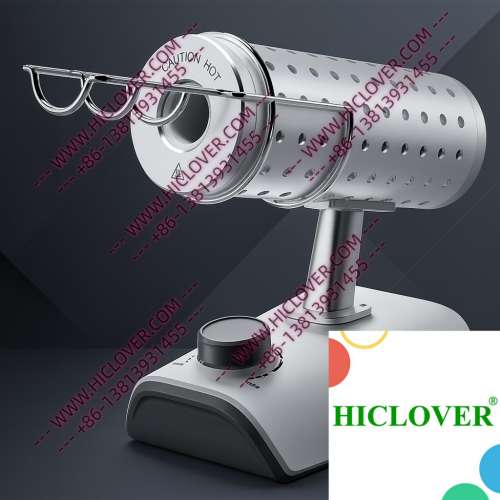
The Micro Incinerator operates on the principle of infrared heat generated within a specially designed ceramic heating chamber. This configuration provides a clean, enclosed environment for optimal sterilization, where the concentrated radiant heat effectively destroys contaminants. Unlike traditional flame sterilizers that release harmful fumes and particulates, the infrared design offers a safer and more efficient alternative for biosafety cabinets and clean rooms.
- Rapid Thermal Sterilization: Achieves high temperatures quickly, minimizing wait time for laboratory personnel.
- Contamination Control: Reduces risk by avoiding open flames and associated aerosol release.
- Versatile Application: Suitable for various laboratory settings, including teaching labs and field testing environments.
- Easy Operation: Simplified user interface enables quick training for lab technicians.
- What types of sterilization equipment are most effective in clinical laboratories?
Micro Incinerators are highly efficient, particularly in high-contamination areas where flame sterilizers pose a risk. - Can Infrared Inoculating Loop Sterilizers be used in anaerobic chamber operations?
Yes, their flame-free design makes them suitable for anaerobic and other sensitive environments. - How does using a Micro Incinerator improve lab safety?
By eliminating open flames, it significantly reduces the risk of fire and contamination, adhering to safety regulations. - Are Micro Incinerators compliant with WHO biosafety standards?
Absolutely; their technology is in line with international safety guidelines for laboratory operations. - What is the expected lifespan of a Micro Incinerator?
With proper maintenance, a Micro Incinerator can serve for several years of regular laboratory use.
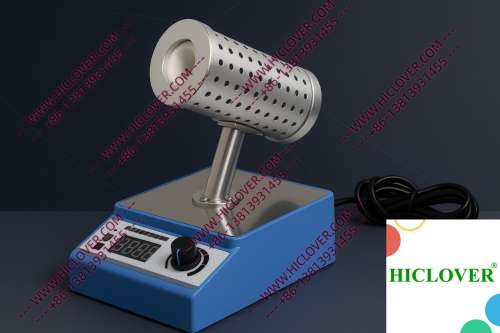
Application Scenarios in Laboratories
1. Clinical Diagnostics and Biosafety Cabinets
In clinical diagnostics, particularly within Jeddah’s hospitals, maintaining a sterile environment is paramount. The Micro Incinerator is an ideal tool for biosafety cabinets, where laboratory professionals prepare samples and conduct tests. Its compact, flame-free design means that it integrates seamlessly into the workflow. The rapid thermal sterilization capability ensures tools like inoculating loops and needles are sterile before sample handling, significantly reducing the risk of contamination.
2. Mobile and Field Testing Labs
Field testing labs in Jeddah that deploy mobile units to remote areas benefit immensely from the Micro Incinerator. The lightweight and portable design allows for efficient sterilization protocols outside traditional laboratory settings. Technicians can employ this sterilization equipment without worrying about fuel or open flames, ensuring safety while maintaining compliance with WHO biosafety standards.
Compliance and Environmental Considerations
Compliance with international biosafety standards is crucial for laboratory operations, particularly regarding sterilization processes. The WHO outlines stringent safety protocols to mitigate risks associated with laboratory work. By employing Infrared Inoculating Loop Sterilizers, laboratories enhance their compliance with established guidelines. The absence of open flames aligns with clean room requirements, effectively minimizing the potential for fire hazards and toxic fumes.
“Using a Micro Incinerator not only elevates our sterilization standards but also aligns with our commitment to safety and environmental responsibility.” – Jeddah Hospital Lab Manager
Comparison Table: Micro Incinerator vs. Traditional Flame Sterilizers
| Feature | Micro Incinerator | Flame Sterilizers |
|---|---|---|
| Temperature Control | Rapid generation of high temperatures | Variable; subject to operator skill |
| Contamination Risk | Minimal; enclosed design | High; exposed flames can aerosolize materials |
| Ease of Use | Simple operation, quick training | Requires experienced handling and safety measures |
| Safety | Flame-free operation | Fire hazards present |
Frequently Asked Questions
Conclusion
As laboratories in Jeddah continue to evolve in their sterilization practices, the integration of Micro Incinerator / Infrared Inoculating Loop Sterilizers proves to be a game-changer. Offering a safe, efficient, and compliant solution for contamination control, these sterilizers dramatically enhance laboratory workflows and maintain the highest biosafety standards. For laboratories looking to revolutionize their sterilization approach, exploring the benefits of the Micro Incinerator is a prudent step forward. Contact us today to learn more about how this groundbreaking technology can transform your laboratory practices.
Categories:
Tags: