
In today’s fast-evolving laboratory landscape, strict biosafety challenges and sterilization workflow demands are at the forefront of laboratory operations. Traditional sterilization methods, such as alcohol lamps and Bunsen burners, often fall short in ensuring optimal contamination control and rapid thermal sterilization. This is where the Micro Incinerator/Infrared Inoculating Loop Sterilizer steps in, offering a groundbreaking approach to laboratory sterilization.
Understanding the Micro Incinerator’s Technical Principles
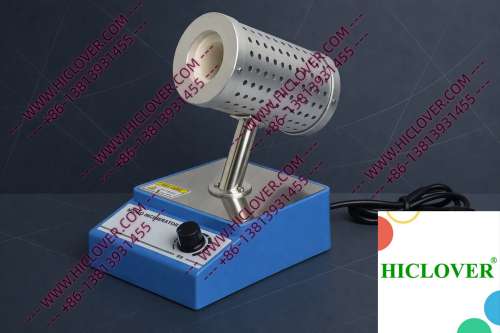
The Micro Incinerator utilizes an enclosed ceramic tube coupled with infrared heat technology to achieve high-temperature disinfection. The ceramic heating chamber is designed to reach temperatures that destroy microbial life quickly and efficiently, allowing for seamless operation without the risks associated with open flames. The principle behind infrared sterilization is remarkably effective: it provides a direct, rapid heating method that minimizes the time taken to sterilize inoculating loops and other small instruments.
Advantages Over Traditional Flame Sterilizers
- Safety: The absence of open flames reduces the risk of fire hazards.
- Efficiency: Micro Incinerators heat up faster and provide consistent sterilization.
- Aerosol-free handling: Minimizes the risk of aerosol transmission of pathogens.
- Clean-bench-safe operation: Ideal for use in biosafety cabinets without contaminating the sterile environment.
- What types of laboratories should consider the Micro Incinerator?
- Micro Incinerators are ideal for university teaching labs, clinical diagnostics, and microbiological research in BSL-2 and BSL-3 environments.
- How does the Micro Incinerator improve sterilization workflow?
- By providing immediate and consistent sterilization without aerosol generation, the Micro Incinerator enhances workflow efficiency while maintaining biosafety.
- Can I use the Micro Incinerator outside of a lab?
- Yes, the portability and battery options make it suitable for use in field testing laboratories or remote locations.
- Is the Micro Incinerator compliant with WHO standards?
- Absolutely, the Micro Incinerator meets international biosafety guidelines, including those set by the WHO.
- How does it contribute to cleaner work environments?
- The use of infrared heat eliminates open flames and reduces contamination, making it a safer choice for clean rooms and sterile environments.
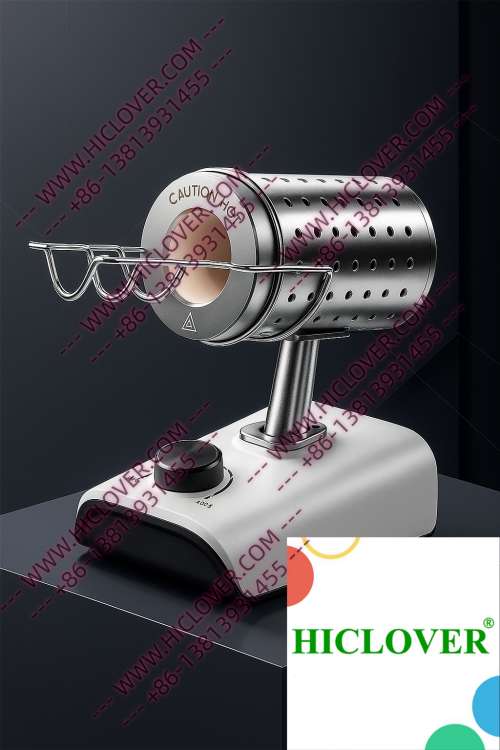
Real-world Applications of the Micro Incinerator
The versatility of the Micro Incinerator makes it indispensable in numerous laboratory settings. Here are two specific application scenarios where it excels:
1. Biosafety Cabinet Use
In BSL-2 and BSL-3 microbiology labs, where the risk of aerosol generation is significant, the Micro Incinerator allows researchers to sterilize tools in a controlled environment, significantly improving biosafety compliance. The compact design of the device fits perfectly within biosafety cabinets, ensuring that even limited space can be utilized effectively while keeping contamination risks at bay.
2. Field Testing Laboratories
For mobile or field testing environments, such as those often encountered in global health initiatives, the portable nature and battery-operated options for Micro Incinerators bring unparalleled convenience. These devices facilitate the rapid sterilization of instruments without the need for bulky equipment or access to electricity, enabling researchers and technicians to conduct analyses in remote locations safely.
Compliance Standards in Laboratory Sterilization
Compliance with biosafety standards is critical across all laboratory types. The World Health Organization (WHO) provides strict guidelines for laboratory safety, emphasizing the importance of sterilization in preventing the dissemination of pathogens. The Micro Incinerator adheres to these guidelines, making it suitable for facilities aiming to maintain high biosafety levels.
Furthermore, compliance with standards like the Occupational Safety and Health Administration (OSHA) regulations ensures that labs using this modern sterilizer adhere to operational and safety regulations. Unlike traditional flame sterilizers, which may produce contaminating aerosols, the enclosed design of the Micro Incinerator ensures that no flames are present, particularly important in clean rooms and other sensitive environments.
Comparison Table: Micro Incinerator vs. Flame Burners
| Feature | Micro Incinerator | Flame Burners |
|---|---|---|
| Heating Method | Infrared | Open Flame |
| Operational Safety | High | Moderate |
| Time to Temperature | Quick | Variable |
| Portability | High | Low |
| Contamination Risk | Minimal | High |
Frequently Asked Questions
Conclusion
The Micro Incinerator/Infrared Inoculating Loop Sterilizer represents a significant advancement in laboratory sterilization technology. By offering efficient and safe sterilization practices, it meets the rising demands of modern labs while ensuring compliance with critical biosafety standards. Whether in a BSL-3 setting or a mobile laboratory, this innovative device is poised to enhance operational workflows across the board.
Contact us today to discover how the Micro Incinerator can transform your laboratory sterilization processes and elevate your biosafety compliance to new heights!
Categories:
Tags: