
Laboratories face increasing challenges in maintaining biosafety, particularly in scenarios involving microbial handling and contamination control. Traditional sterilization methods, including alcohol lamps and Bunsen burners, often fall short due to safety risks, efficiency, and practicality in sterile environments. As lab workflows evolve, the need for more advanced sterilization solutions has led to the rise of the Micro Incinerator or Infrared Inoculating Loop Sterilizer, featuring innovative 950°C loop technology.
Understanding 950°C Loop Technology
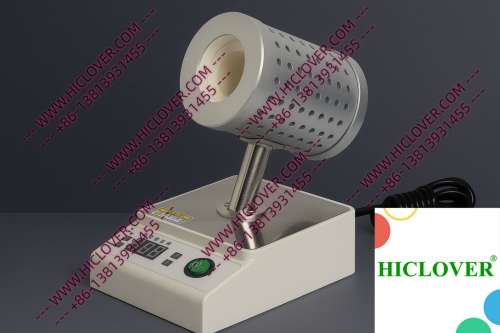
The Micro Incinerator harnesses advanced infrared heating technology, providing rapid thermal sterilization without the dangers associated with open flames. This device utilizes a ceramic heating chamber that reaches temperatures of up to 950°C, ensuring thorough disinfection of inoculating loops within seconds. The enclosed design minimizes exposure to aerosols, making it a preferred choice in cleanrooms and BSL-2/BSL-3 microbiology labs.
Advantages Over Traditional Flame Sterilizers
- Speed: Achieves sterilization in under 10 seconds.
- Safety: No open flame, reducing fire hazards.
- Contamination Control: Minimal aerosol generation ensures a clean environment.
- Reliability: Consistent heat output guarantees thorough sterilization.
- Energy Efficiency: Quick heating reduces energy consumption.
Real-World Applications in Laboratories
The flexibility of the Micro Incinerator makes it suitable for various laboratory settings. Below are two application scenarios:
1. Biosafety Cabinet Operations
In BSL-2 microbiology labs, adherence to strict biosafety standards is paramount. The Micro Incinerator can be integrated within biosafety cabinets, allowing researchers to sterilize inoculating loops directly in front of the work surface. With its clean-bench-safe design, it ensures that sterile zones remain uncontaminated, enhancing productivity without compromising safety.
2. Teaching Labs in Universities
University teaching labs often require practical demonstrations of microbial techniques. Utilizing the Micro Incinerator allows educators to showcase proper sterilization methods effectively. Its user-friendly interface and rapid heating capabilities make it an ideal tool for students, facilitating hands-on learning while ensuring a safe educational environment.
Compliance and Environmental Considerations
Compliance with international biosafety standards, such as those set by the WHO, is crucial in laboratory settings. The Micro Incinerator’s operation aligns with laboratorial sterilization standards, allowing its use in environments where traditional flame sterilizers would be prohibited due to potential hazards. Additionally, its electric operation creates a safer atmosphere compared to open flames, critical in cleanrooms and controlled environments.
In regions like Europe and North America, where regulatory frameworks demand stringent cleanliness and safety guidelines, the Infrared Inoculating Loop Sterilizer proves invaluable. Furthermore, the absence of flammable materials enhances the overall safety profile of labs, ultimately leading to enhanced compliance with both local and international safety regulations.
Comparative Overview: Micro Incinerator vs. Flame Burners
| Feature | Micro Incinerator | Flame Burners |
|---|---|---|
| Temperature Range | Up to 950°C | Variable, generally lower |
| Heating Time | Less than 10 seconds | Variable, typically longer |
| Aerosol Production | Minimal | Significant |
| Operational Safety | High (no open flame) | Moderate to Low (open flame) |
| Energy Efficiency | High | Variable |
Frequently Asked Questions
What makes the Micro Incinerator ideal for cleanroom environments?
The Micro Incinerator’s enclosed design and high-temperature infrared heating eliminate aerosol generation and ensure compliance with cleanliness standards, making it perfect for sterile environments.
Can it be used in field testing laboratories?
Yes, its portability and rapid sterilization capabilities make it an excellent tool for mobile or field testing labs, where immediate results and cleanliness are essential.
How does its energy consumption compare to traditional flame sterilizers?
The Micro Incinerator is more energy-efficient, as it requires less time to reach sterilization temperatures and thus consumes less overall energy during operation.
What types of laboratories benefit from using the Micro Incinerator?
Primarily, BSL-2 and BSL-3 microbiology labs, clinical diagnostics institutions, university teaching labs, and even mobile testing units can greatly benefit from its features.
How does the Micro Incinerator enhance teaching methods in biological sciences?
Its user-friendly operation and demonstration of rapid sterilization techniques help educators teach best practices for microbial handling without the risks associated with traditional flame sterilizers.
Conclusion: Embrace the Future of Laboratory Sterilization
The transition to using the Micro Incinerator with 950°C loop technology aligns perfectly with the modern demands of lab workflows while adhering to critical safety and compliance standards. Its rapid thermal sterilization and superior design offer significant advantages over traditional flame sterilizers. If you’re ready to enhance your laboratory’s sterilization processes and ensure a safer working environment, contact us today to learn more about our Micro Incinerator options and how we can assist in your laboratory needs.
Categories:
Tags: