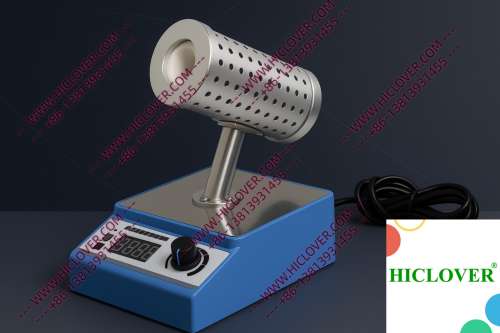
In contemporary laboratory settings, effective sterilization is critical to ensure biosafety, prevent contamination, and maintain uncompromised experimentation processes. Laboratories, whether they are BSL-2 microbiology facilities or university teaching labs, face substantial challenges in maintaining sterilization workflows that can efficiently adapt to various procedures. One standout solution is the Micro Incinerator, also known as the Infrared Inoculating Loop Sterilizer, which offers rapid thermal sterilization with enhanced safety and efficiency.
The Technical Principles Behind Micro Incinerators
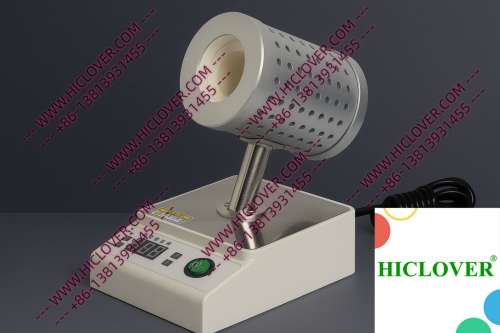
The Micro Incinerator places a significant emphasis on infrared heating principles, utilizing a compact, enclosed ceramic heating chamber that generates heat quickly and evenly. Unlike traditional flame sterilizers such as alcohol lamps or Bunsen burners, which can produce harmful aerosols and increase the risk of fire hazards, the infrared sterilizer operates in a clean and safe manner. With temperature control that reaches high levels almost instantaneously, this device allows for efficient contamination control across diverse laboratory applications.
Advantages of Micro Incinerators Over Traditional Flame Sterilization
High-temperature sterilization effectively reduces the risk of aerosol transmission and provides a gentle method for sterilizing inoculating loops and other sensitive equipment.
Here’s a brief comparison between Micro Incinerators and traditional flame burners:
| Feature | Micro Incinerator | Traditional Flame Sterilizer |
|---|---|---|
| Safety | Non-flammable, no open flame, reduced risk of accidents | Open flame, increased risk of fires |
| Aerosol Generation | No aerosol production, reducing airborne contamination | Can generate aerosols during use |
| Heating Method | Infrared heat for rapid sterilization | Combustion flame |
| Temperature Control | Precise and consistent | Variable and less controllable |
Practical Applications in Laboratories
The versatility of the Micro Incinerator allows it to be an ideal tool across various laboratory settings, enhancing workflow efficiency and ensuring safety compliance in the following scenarios:
- Biosafety Cabinets: In BSL-2 and BSL-3 microbiology labs, the Micro Incinerator can be seamlessly integrated into biosafety cabinets for routine sterilization of inoculating loops and other instruments. This arrangement minimizes contamination risk, adhering to strict biosafety protocols while allowing researchers to perform complex microbiological procedures.
- Field Testing: Mobile laboratories and field-testing environments benefit from the lightweight, portable design of the Micro Incinerator. Given that these settings often have limited resources and safety protocols, the unit’s ease of use and no-flame design significantly improve the safety and reliability of on-the-ground sterilization efforts.
- University Teaching Labs: In educational settings, having a sophisticated yet user-friendly sterilization tool is imperative for training a new generation of scientists. The Micro Incinerator allows students to practice sterile techniques safely without the fear of exposure to open flames.
Compliance and Environmental Concerns
Globally, laboratory environments are held to rigorous hygiene and sterilization standards set forth by organizations such as the World Health Organization (WHO) and other biosafety regulatory bodies. The negative environmental impact associated with certain sterilization methods, including the hefty carbon footprint of conventional flame-powered devices, raises concerns in clean rooms where environmental integrity must be maintained. The Micro Incinerator not only meets but exceeds many laboratory sterilization standards, ensuring compliance in sensitive environments while eliminating the risk associated with flammable sterilizers.
Modern laboratories require solutions that protect both the integrity of the samples and the safety of laboratory personnel.
Frequently Asked Questions (FAQs)
1. How does an Infrared Inoculating Loop Sterilizer work?
The device utilizes infrared heat generated in a ceramic chamber to rapidly heat and sterilize inoculating loops and other tools without producing open flames.
2. Is the Micro Incinerator suitable for use in clean rooms?
Yes, it is designed for clean-room applications, providing a safe, flame-free environment that minimizes contamination risks.
3. What advantages does the Micro Incinerator have over traditional flame sterilizers?
It offers improved safety, reduced aerosol generation, and precise temperature control, making it a more effective option for sterilization.
4. Can the Micro Incinerator be used in field settings?
Absolutely! Its portable design and flame-free operation make it ideal for field testing and mobile laboratory settings.
5. What regulatory bodies oversee laboratory sterilization compliance?
Key organizations include the WHO, CDC, and various national lab safety organizations, which set the standards for biosafety and contamination control.
Conclusion: Elevate Your Laboratory’s Safety and Efficiency
Embracing advanced sterilization technology like the Micro Incinerator is essential for laboratories looking to enhance their biosafety protocols while ensuring compliance with international standards. As we continue to navigate complex laboratory environments, incorporating such innovative solutions will not only improve workflow efficiency but also protect the health and safety of laboratory personnel. For more information on integrating the Micro Incinerator into your laboratory setup, please reach out to our team or visit our website to explore purchasing options.
Categories:
Tags: