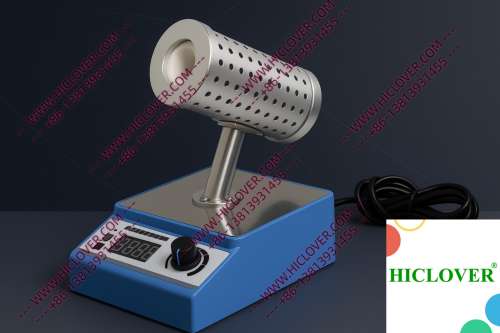
In the ever-evolving landscape of laboratory biosafety, the demands for effective sterilization solutions are rising sharply. As laboratories strive for contamination control, particularly in high-stakes environments like BSL-2 and BSL-3 microbiology labs, the limitations of traditional sterilization methods have come to the forefront. Conventional flame sterilizers, such as alcohol lamps and Bunsen burners, pose various risks including open flames and inconsistent temperatures. Enter the Micro Incinerator, a game-changing device that addresses these critical needs with remarkable efficiency.
Understanding the Micro Incinerator and Its Technical Principles
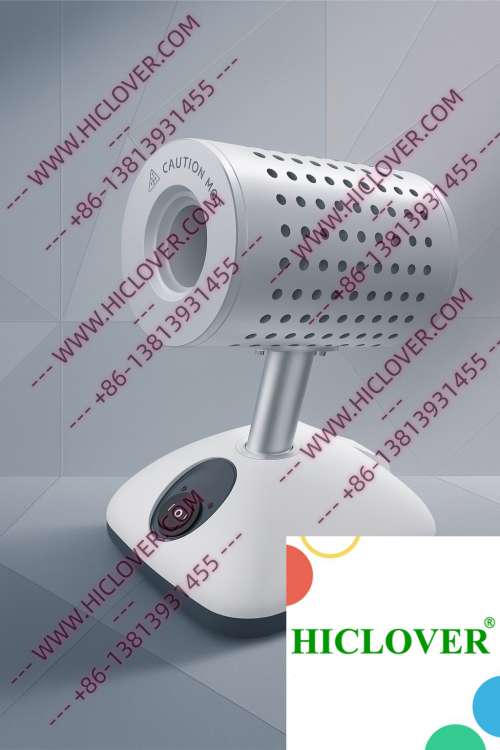
The Micro Incinerator, more commonly referred to as the Infrared Inoculating Loop Sterilizer, stands out for its innovative approach to thermal sterilization. This laboratory sterilization equipment utilizes infrared heat generated within an enclosed ceramic tube, achieving rapid thermal sterilization without the risks associated with flames. The precise control of temperature allows for effective high-temperature disinfection of inoculating loops and other instruments.
With a design emphasizing safety and efficiency, this sterilizer is capable of reaching temperatures that effectively destroy microbial life while minimizing aerosol generation. The benefits of using an infrared sterilizer are manifold, including:
- Rapid Thermal Sterilization: Significantly faster than traditional methods.
- Contamination Control: Ensures a clean and sterile environment.
- Flame-Free Operation: Safer for use in various lab settings, including clean rooms.
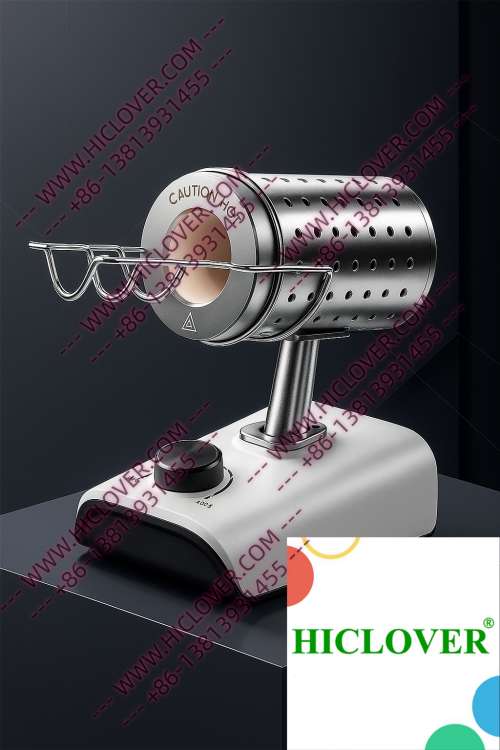
Real-World Applications in Laboratory Settings
As laboratories transition to more modern sterilization methods, the Micro Incinerator is making waves across various practical applications. Below are two distinct scenarios showcasing its versatility:
1. Biosafety Cabinets
Biosafety cabinets are essential for manipulating pathogenic microorganisms in a controlled environment. The Infrared Inoculating Loop Sterilizer complements these settings by allowing microbiologists to sterilize loops quickly and efficiently within the cabinet itself. Its design ensures clean-bench-safe operations, significantly reducing the risk of cross-contamination.
2. Teaching Labs in Universities
In educational environments, safe handling of infectious agents is paramount. The Micro Incinerator serves as an excellent tool for teaching students the principles of aseptic techniques. By eliminating the need for open flames, it allows instructors to demonstrate sterilization processes without compromising safety, all while complying with lab sterilization standards.
Compliance and Environmental Considerations
When discussing sterilization in laboratories, adherence to compliance standards cannot be overlooked. According to WHO biosafety guidelines, infections are significantly mitigated when utilizing flame-free sterilization methods. Particularly in environments where sterile conditions must be maintained, the Micro Incinerator meets and exceeds key laboratory sterilization standards.
“Using flame-based sterilizers in clean rooms can lead to contamination, while the Micro Incinerator ensures clean and safe operations without generating aerosols.”
This aspect of compliance is critical for laboratories located in Germany, especially with rigorous regulations in place to ensure safety and effectiveness in microbiological testing and research. Utilizing cutting-edge sterilization technology not only enhances laboratory workflows but also positions institutions favorably within the regulatory landscape.
Micro Incinerator vs. Traditional Flame Sterilizers
To illustrate the stark differences between the Micro Incinerator and traditional flame sterilizers, the following comparison table highlights their features:
| Feature | Micro Incinerator | Flame Sterilizers |
|---|---|---|
| Temperature Control | Precise infrared control | Variable and inconsistent |
| Safety | Flame-free | Open flames present |
| Speed of Operation | Instant heating | Delayed ignition |
| Risk of Contamination | Aerosol-free handling | Cross-contamination risks |
FAQs About Loop Sterilization
What is a Micro Incinerator used for?
Micro Incinerators are utilized for high-temperature sterilization of inoculating loops and other lab tools without the risks associated with open flames.
How fast does a Micro Incinerator work?
Micro Incinerators offer near-instantaneous heating, achieving sterilization in seconds, compared to traditional methods which take longer to reach effective temperatures.
Is a Micro Incinerator safe for use in clean rooms?
Yes, its flame-free design makes it particularly safe for use in clean rooms, as it reduces the risk of contamination.
What standards does the Micro Incinerator comply with?
The Micro Incinerator adheres to international WHO biosafety and laboratory sterilization standards, ensuring it is suitable for microbiological applications.
Can the Micro Incinerator be used in educational institutions?
Absolutely! It is an ideal teaching tool for demonstrating sterilization techniques while ensuring student safety.
Conclusion
The emergence of the Micro Incinerator as a lead sterilization solution marks a revolutionary step in laboratory practices across Germany and beyond. As laboratories prioritize biosafety and effective sterilization workflows, the advantages of infrared inoculating loop sterilizers become undeniable. For those interested in revolutionizing their sterilization methods, considering the Micro Incinerator will undoubtedly lead to enhanced operational efficiency and compliance with stringent safety regulations.
Ready to elevate your lab’s sterilization standards? Contact us today for more information or to make a purchase!
Categories:
Tags: