
In today’s fast-paced laboratory environments, maintaining rigorous biosafety standards while ensuring efficient sterilization workflows has never been more critical. Contamination risks associated with handling microbial samples necessitate reliable sterilization equipment. This is where the Micro Incinerator / Infrared Inoculating Loop Sterilizer emerges as a groundbreaking solution, offering rapid thermal sterilization and enhanced safety features compared to traditional flame sterilizers such as alcohol lamps and Bunsen burners.
Understanding the Technical Principles of Infrared Sterilization
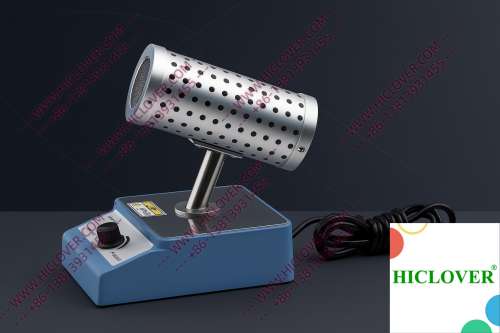
The Micro Incinerator employs a ceramic heating chamber that utilizes infrared heat to achieve high-temperature disinfection. This sophisticated design enables the sterilizer to target contaminants effectively without the hazards associated with open flames. The enclosed ceramic tube ensures that heat is evenly distributed, providing consistent sterilization results within seconds.
Not only do these sterilizers provide a flame-free alternative, but they also contribute significantly to compliance with safety standards required in biosafety cabinets and clean rooms. The ability to control aerosol generation and reduce exposure risks is paramount, especially in high-containment environments.
Real-World Applications in Indian Laboratories
1. University Teaching Labs
In several Indian universities, microbiology departments are increasingly adopting the Micro Incinerator for sterilization. The device is particularly useful in university teaching labs where students work with pathogenic microorganisms. Its design minimizes contamination risks during educational demonstrations, allowing students to safely handle inoculating loops without the distraction of open flames.
2. Clinical Diagnostics Labs
In clinical diagnostics, particularly in urban centers like Mumbai and Delhi, microbiologists rely on this advanced sterilization equipment for ensuring sample integrity. The Infrared Inoculating Loop Sterilizer is particularly valued in settings that require efficient sterilization while maintaining an aseptic environment. This enhances workflow efficiency, allowing labs to process diagnostics swiftly and safely.
Compliance and Safety Standards in Sterilization
Compliance with standards set by the World Health Organization (WHO) and other regulatory bodies is crucial in laboratory sterilization. Using a Micro Incinerator aligns with WHO biosafety recommendations, particularly in BSL-2 and BSL-3 laboratories, where aerosol handling must be minimized. Unlike traditional flame sterilizers, the Micro Incinerator operates safely within clean rooms and reduces the risk of igniting flammable materials commonly found in laboratory settings.
- Elimination of exposure risks: Open flames can lead to injuries and environmental hazards.
- Enhanced efficiency: Infrared heating ensures rapid thermal sterilization, reducing wait times.
- Aerosol control: Flame-free handling minimizes airborne contamination, crucial in high-risk labs.
Comparison: Micro Incinerator vs. Traditional Flame Sterilizers
| Feature | Micro Incinerator | Flame Sterilizers |
|---|---|---|
| Heat Source | Infrared technology | Open flame |
| Safety | Flame-free | Fire hazards |
| Response Time | Immediate | Variable |
| Aerosol Generation | Minimal | High |
| Compliance | Meets WHO standards | Limited in clean rooms |
Frequently Asked Questions
1. What makes Micro Incinerators safer than traditional flame sterilizers?
Micro Incinerators utilize infrared heat, which significantly reduces the risk of fire hazards and aerosol creation, making them safer for laboratory environments.
2. Can these sterilizers be used in BSL-3 laboratories?
Yes, Micro Incinerators are suitable for use in BSL-2 and BSL-3 laboratories, adhering to stringent biosafety standards required in those settings.
3. How quickly can I achieve sterilization with a Micro Incinerator?
The Micro Incinerator provides rapid thermal sterilization, typically achieving effective results within seconds of operation.
4. Are there any limitations to using Micro Incinerators?
While Micro Incinerators are highly efficient, they are designed primarily for sterilizing inoculating loops and small instruments. Larger equipment or materials may require different sterilization methods.
5. Why should my laboratory invest in a Micro Incinerator?
Investing in a Micro Incinerator enhances laboratory safety, improves workflow efficiency, and ensures compliance with world-class biosafety standards, ultimately protecting both personnel and research integrity.
Conclusion
The transition to Micro Incinerators for laboratory sterilization represents a significant shift in ensuring biosafety and operational efficiency in Indian healthcare. Their benefits, particularly in terms of safety, speed, and compliance, make them a crucial investment for research centers, diagnostic facilities, and educational institutions alike. Consider contacting us today to power your laboratory operations with advanced sterilization solutions that safeguard against contamination.
Categories:
Tags: