
As laboratory professionals grapple with mounting biosafety challenges, an increasing demand for effective sterilization workflow solutions has emerged. Singapore, known for its robust healthcare system, is witnessing a significant evolution in sterilization methods. One notable innovation at the forefront is the Micro Incinerator or Infrared Inoculating Loop Sterilizer. This tool is revolutionizing laboratory sterilization equipment, offering rapid and efficient contamination control across various applications.
Understanding the Micro Incinerator Technology
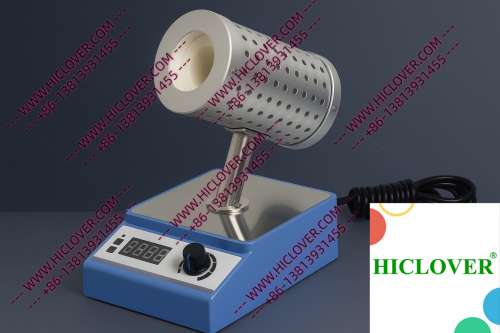
The Micro Incinerator employs a sophisticated technical principle involving infrared heat and an enclosed ceramic tube. It generates high temperatures in a controlled manner, enabling the rapid thermal sterilization of inoculating loops and other lab tools. Unlike traditional flame sterilizers, such as alcohol lamps or Bunsen burners, the Micro Incinerator eliminates the dangers associated with open flames and provides a more stable sterilization environment. This is critical for ensuring clean-bench-safe operations, particularly in sensitive settings.
Real-World Applications of Micro Incinerators
Micro Incinerators find utility across various laboratory contexts, from BSL-2 and BSL-3 microbiology labs to clinical diagnostics and academic environments. Below are a couple of typical applications:
- Biosafety Cabinets: In microbiology labs, Micro Incinerators are commonly utilized within biosafety cabinets (BSCs). Researchers can rapidly sterilize loops while minimizing aerosol transmission. This drastically reduces contamination risks when working with pathogenic microorganisms.
- Teaching Laboratories: In university settings, students benefit from using Micro Incinerators as part of their training in sterile techniques. The hands-on experience with this advanced sterilization tool prepares them for future roles in clinical or research laboratories while reinforcing the importance of contamination control.
Adhering to Compliance and Environmental Standards
In a stringent healthcare landscape, compliance with international biosafety regulations is essential. The World Health Organization (WHO) outlines biosafety standards that emphasize the need for reliable sterilization methods, particularly in laboratories dealing with infectious agents. The Micro Incinerator aligns with these standards, providing a solution that ensures full compliance in facilities engaged in high-risk microbiological work.
Moreover, utilizing a flame-free sterilizer is particularly advantageous in clean rooms, where the presence of open flames can compromise air quality. The Micro Incinerator caters to this requirement, providing a robust alternative that maintains sterility without generating hazardous aerosols.
Micro Incinerator vs. Traditional Flame Burners: A Comparative Analysis
| Feature | Micro Incinerator | Flame Burners |
|---|---|---|
| Heating Method | Infrared heat | Open flame |
| Safety | Flame-free, reduced risk of fire | Higher risk due to open flames |
| Temperature Control | Precise and consistent | Variable and dependent on user |
| Contamination Prevention | Effective, aerosol-free handling | Potential for aerosol generation |
| Ease of Use | Simple and efficient sterilization | Requires skill to maintain flame |
Frequently Asked Questions (FAQs)
1. What is a Micro Incinerator, and how does it work?
A Micro Incinerator is a laboratory sterilization device that utilizes infrared technology to achieve rapid thermal sterilization of inoculating loops and other implements. The enclosed ceramic heating chamber rapidly heats to a set temperature, providing a flame-free solution for effective sterilization.
2. What are the key benefits of using a Micro Incinerator over traditional flame methods?
The advantages include enhanced safety due to the absence of open flames, consistent and precise temperature control, and the ability to prevent aerosol generation, making it ideal for sensitive environments like biosafety cabinets.
3. Can Micro Incinerators be used in field-testing labs?
Yes, Micro Incinerators are portable and can be used in field-testing labs to carry out on-site sterilization, allowing researchers to maintain sterility without the dangers associated with traditional flame methods.
4. Are there environmental compliance considerations with using Micro Incinerators?
Micro Incinerators meet global biosafety standards, including those set forth by WHO. They eliminate open flames, making them suitable for clean rooms and other controlled environments without compromising air quality.
5. Are Micro Incinerators suitable for teaching labs?
Absolutely! Micro Incinerators provide a safe and effective way for students to learn sterile techniques in controlled settings, preparing them for advanced laboratory practices in their future careers.
Conclusion
As laboratory environments continue to evolve, the Micro Incinerator serves as a key component in addressing the sterilization needs of Singaporean healthcare. Its innovative design, safety features, and compliance with global biosafety standards make it a superior alternative to traditional flame sterilizers. For laboratories aiming to improve their sterilization workflow and enhance biosafety, investing in high-quality Micro Incinerators is a pivotal step forward. Contact us today to explore our range of laboratory sterilization equipment and elevate your lab’s safety standards!
Categories:
Tags: