
Laboratory biosafety challenges are becoming increasingly paramount as the demand for robust sterilization processes rises in various sectors, including clinical diagnostics, research institutions, and university teaching labs. Among the diverse range of sterilization equipment, the clean bench heating sterilizer—specifically, the Micro Incinerator or Infrared Inoculating Loop Sterilizer—offers an innovative solution that addresses many of these challenges effectively.
The Sterilization Workflow Demand
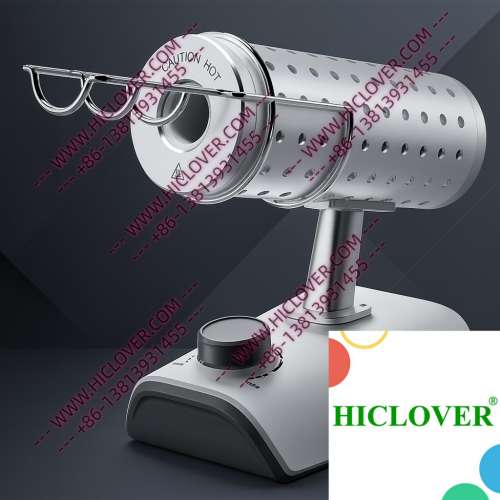
The need for rapid thermal sterilization methods in laboratory settings is becoming essential as labs face stricter regulations and a heightened focus on contamination control. Traditional flame sterilizers, while effective, pose significant risks such as fire hazards and the generation of aerosols that can compromise biosafety. The clean bench heating sterilizer eliminates these concerns by providing a contained, flame-free environment for sterilization processes.
How Micro Incinerators Work
Micro Incinerators employ infrared high-temperature disinfection technology that utilizes an enclosed ceramic tube. This unique design allows for immediate heating of inoculating loops and other tools without the presence of an open flame. The heat generated within the ceramic heating chamber reaches sufficient temperatures to instantly eliminate unwanted microorganisms, thereby securing a safe working environment.
Key Features of Micro Incinerators
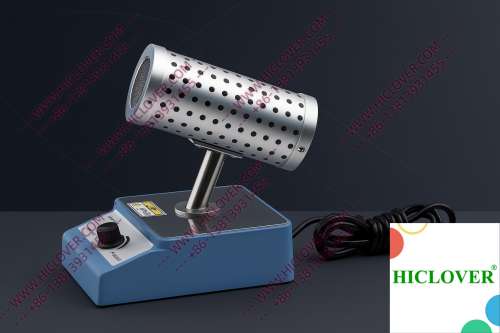
- Rapid heating capabilities—ideal for high-throughput labs.
- Restriction of aerosol generation, ensuring cleaner operations.
- Reduced fire risk compared to alcohol lamps and Bunsen burners.
- Easy to maintain and operate.
- Portable models available for field testing.
Application Scenarios in Modern Labs
Biosafety Cabinets: In BSL-2 and BSL-3 microbiology labs, where high-risk pathogens are handled, the use of a Micro Incinerator is particularly advantageous. These sterilizers can be safely integrated into biosafety cabinets, allowing researchers to sterilize inoculating tools without exposing themselves to potential contaminants.
Teaching Labs: University teaching labs benefit immensely from the implementation of Micro Incinerators, as students can learn about sterile techniques without the associated risks of flames. The infrared sterilizers allow instructors to demonstrate safe handling procedures, thus enhancing the educational experience.
Compliance and Environmental Considerations
Strict guidelines concerning laboratory sterilization equipment, as laid out by health organizations such as the World Health Organization (WHO), emphasize the need for efficient sterilization methods that conform to biosafety standards. For instance, sterilization in clean rooms inhibits the use of flame-based methods, making Micro Incinerators a compliant alternative. Additionally, these sterilizers help labs reduce their environmental footprint by minimizing the combustion of chemicals and gases typically associated with traditional flame sterilizers.
Comparison: Micro Incinerator vs. Traditional Flame Burners
| Feature | Micro Incinerator | Flame Burners |
|---|---|---|
| Heating Mechanism | Infrared heat in a ceramic tube | Open flame (Bunsen, alcohol lamp) |
| Aerosol Generation | Aerosol-free handling | High risk due to flames |
| Fire Hazard | Minimal risk | Significant risk |
| Mobility | Portable models available | Generally stationary |
Frequently Asked Questions
- Why should I choose a Micro Incinerator over a traditional flame sterilizer? Micro Incinerators offer a flame-free and more hygienic means of sterilization, significantly reducing fire hazards and aerosol contamination.
- Can Micro Incinerators be used in field testing labs? Yes, many models are designed to be portable, making them suitable for mobile laboratory environments.
- Are these sterilizers compliant with biosafety regulations? Absolutely. Micro Incinerators meet strict compliance standards stipulated by organizations like the WHO.
- How do Micro Incinerators contribute to environmental sustainability in labs? By eliminating the need for combustible agents, these devices support cleaner lab practices and help reduce waste.
- What types of labs benefit the most from using Micro Incinerators? BSL-2/BSL-3 microbiology labs, clinical diagnostics centers, and university teaching labs are ideal environments for Micro Incinerators.
Conclusion
In the evolving landscape of laboratory sterilization, Micro Incinerators and Infrared Inoculating Loop Sterilizers symbolize a step towards enhanced safety and efficiency. As regulations tighten, and the demand for contamination control escalates, investing in a modern sterilization solution becomes vital for laboratories aiming for excellence. Join the revolution in sterilization practices—explore clean bench heating sterilizers today and see how they can elevate your laboratory’s performance.
Categories:
Tags: