
In the ever-evolving landscape of laboratory safety and efficiency, the demand for effective sterilization solutions is paramount. Hospitals, research centers, and universities in Pretoria grapple with biosafety challenges, particularly in microbiology laboratories, where contamination control is critical. Traditional flame sterilizers, like alcohol lamps and Bunsen burners, are being gradually replaced by advanced technologies such as the Micro Incinerator / Infrared Inoculating Loop Sterilizer. These innovations are transforming laboratory workflows and enhancing safety for both personnel and the samples handled.
Understanding the Technical Principles
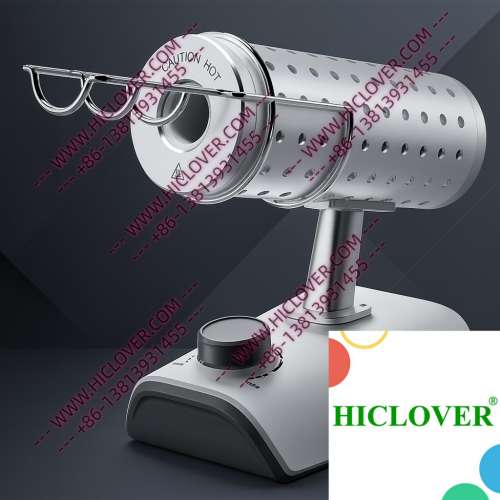
The Micro Incinerator utilizes infrared heating technologies within an enclosed ceramic tube to achieve rapid thermal sterilization. Unlike traditional flame-based methods, the infrared heating provides a clean and efficient approach to sterilization, eliminating the risk of contamination from aerosols generated during the sterilization process. The high temperature is generated by the infrared ceramic heating chamber, ensuring a swift response time that allows for the quick turnover needed in busy labs.
Design and Configuration of the Micro Incinerator
This state-of-the-art sterilizer is compact and designed for easy integration into various laboratory setups. Typically housed within a sleek, clean-bench-safe enclosure, its configuration minimizes footprint while maximizing usability. The device can be safely operated in biosafety cabinets, where maintaining sterile environments is crucial. Its robust design ensures that the heating elements remain isolated from pollutants, further enhancing its efficacy in high-stakes laboratory situations.
Application Scenarios in Real Labs
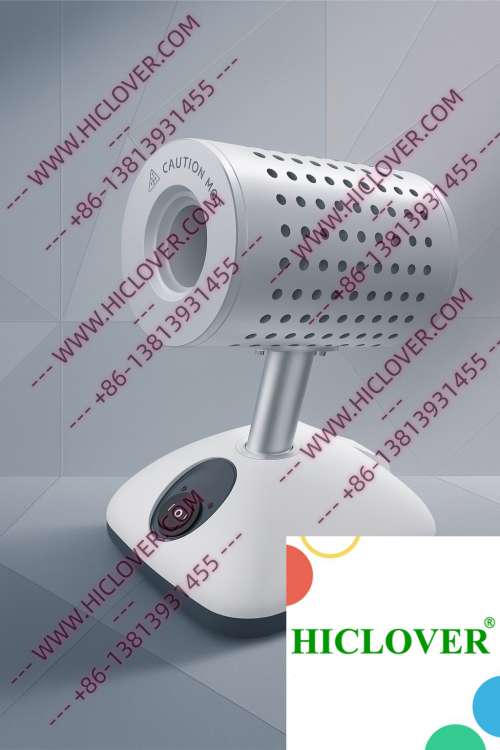
- Biosafety Cabinets: In BSL-2 and BSL-3 environments, where handling pathogenic organisms is routine, the Micro Incinerator serves as a reliable sterilization tool. Its aerosol-free handling is critical in ensuring that particulate contaminants do not escape the cabinet, thus protecting lab personnel and the surrounding area from potential biological hazards.
- University Teaching Labs: In educational settings, where students are trained in microbiological techniques, the Micro Incinerator provides an excellent demonstration of effective sterilization practices. Its ease of use allows for quick transitions between procedures, ensuring that learning remains uninterrupted while maintaining adherence to health and safety regulations.
Compliance and Environmental Considerations
Compliance with biosafety standards, such as those set by the World Health Organization (WHO), is non-negotiable in laboratory environments. The use of flame-based sterilizers has several drawbacks, especially in clean rooms, where open flames can lead to hazardous conditions. The Micro Incinerator, however, aligns with international lab sterilization standards by providing a flameless, safe environment for sterilization. This compliance not only enhances safety but also supports sustainable practices by reducing the carbon footprint associated with traditional flame-based sterilization methods.
Comparing Micro Incinerators and Traditional Flame Burners
| Feature | Micro Incinerator | Flame Sterilizers |
|---|---|---|
| Heat Source | Infrared ceramic tube | Open flame |
| Aerosol Production | Minimized | High risk |
| Ease of Use | Simple, quick | Requires technique |
| Energy Efficiency | High | Variable |
| Risk of Fire Hazard | Low | High |
FAQs About Micro Incinerators
What is the operating temperature of the Micro Incinerator?
The Micro Incinerator can reach temperatures up to 800°C, ensuring effective sterilization of inoculating loops and other lab tools.
Can the Micro Incinerator be used in a biosafety cabinet?
Yes, it is designed to operate safely and effectively within biosafety cabinets, making it ideal for sensitive procedures in microbiological environments.
How does the Micro Incinerator minimize contamination?
By utilizing infrared heat and maintaining a closed environment, the device significantly reduces the production of aerosols, which are common with traditional flame sterilizers.
Is it safe for use in teaching laboratories?
Absolutely, the Micro Incinerator provides a safer alternative for educational demonstrations, allowing students to learn about sterilization without the risks associated with open flames.
What maintenance is required for the Micro Incinerator?
Regular cleaning and periodic checks of the heating elements are recommended to ensure optimal performance and longevity of the device.
Conclusion
The Micro Incinerator / Infrared Inoculating Loop Sterilizer is redefining laboratory sterilization, particularly in Pretoria’s vibrant medical and research sectors. Its advanced technology not only addresses the critical need for effective sterilization but does so with an emphasis on safety and compliance. As labs continue to integrate innovative solutions to enhance their workflows, the Micro Incinerator stands out as a powerful tool that meets both operational demands and regulatory requirements. For laboratories looking to upgrade their sterilization practices, contacting experts for purchasing options is essential to ensure their quality equipment aligns with national and global standards.
Categories:
Tags: