
In the heart of Manama, hospitals face mounting laboratory biosafety challenges, which demand innovative solutions for sterilization workflows. Traditional sterilization methods, such as alcohol lamps or Bunsen burners, often fall short, particularly when it comes to sterility assurance and ease of use. The adoption of advanced laboratory sterilization equipment, particularly the Micro Incinerator or Infrared Inoculating Loop Sterilizer, is changing the dynamics of biosafety in clinical and academic settings.
Understanding the Technical Principles of Infrared Sterilization
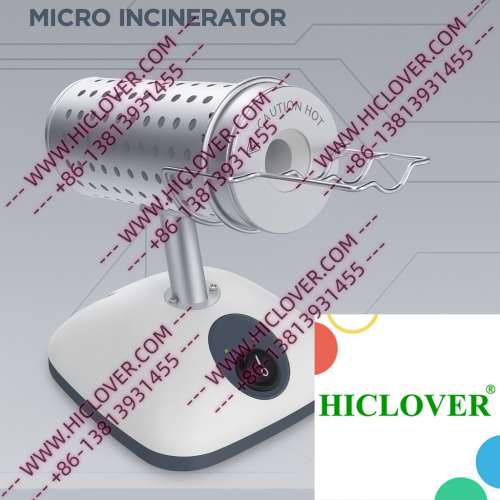
At the core of the Micro Incinerator’s efficiency is its operation based on infrared heat. This technology utilizes a ceramic heating chamber that generates high temperatures quickly, resulting in rapid thermal sterilization. The enclosed design minimizes contamination risks while facilitating aerosol-free handling, which is particularly crucial in sensitive laboratory environments. Unlike traditional methods, the Micro Incinerator’s focused infrared heat allows for precise and effective disinfection of inoculating loops, ensuring they remain free from pathogens.
Applications in Real Labs
1. Biosafety Cabinets
Biosafety cabinets (BSCs) are essential in BSL-2 and BSL-3 laboratories for protecting personnel and preventing contamination. Integrating Micro Incinerators into BSCs enables microbiologists to sterilize tools without the risk of open flames. This is particularly vital when working with hazardous agents or in environments requiring strict compliance with biosafety standards.
2. Teaching Laboratories
In university settings, teaching laboratories are often tasked with providing students hands-on experience in sterile techniques. The Micro Incinerator serves as a valuable tool for training. Students can practice inoculation techniques, confident that their sterilization method adheres to modern safety protocols. The device’s user-friendly design enhances the learning environment, making it a preferred choice for educators.
Compliance and Environmental Considerations
The World Health Organization (WHO) emphasizes stringent biosafety practices to combat the spread of infectious diseases. As hospitals and research centers in Manama look to enhance their compliance with such standards, the need for effective sterilization equipment cannot be overstated. Traditional flame sterilizers, while effective, are not always suitable for cleanrooms due to their potential to introduce aerosols and contaminants. The Micro Incinerator eliminates these concerns, providing a clean, flame-free solution that meets international sterilization standards.
Moreover, as facilities strive for sustainability, the reduced fuel consumption associated with infrared sterilizers contributes to a lower carbon footprint, aligning with global environmental initiatives.
Comparison: Micro Incinerator vs. Traditional Flame Burners
| Feature | Micro Incinerator | Traditional Flame Burners |
|---|---|---|
| Heat Source | Infrared heating | Open flame |
| Contamination Risk | Minimal | High |
| Aerosol Generation | No | Yes |
| Speed of Sterilization | Rapid | Variable |
| Ease of Use | User-friendly | Requires flame management |
FAQs About Micro Incinerators
- What are the key advantages of using a Micro Incinerator in the lab?
The Micro Incinerator offers rapid thermal sterilization, reduced contamination risk, and is flame-free, making it ideal for sensitive settings like cleanrooms. - How does the Micro Incinerator work?
It utilizes infrared heat generated within a ceramic heating chamber to achieve high temperatures, which effectively sterilize inoculating loops and other small tools. - Is the Micro Incinerator compliant with global sterilization standards?
Yes, it meets WHO biosafety standards and other international sterilization regulations, ensuring a high level of safety in laboratory operations. - Can the Micro Incinerator be used in field testing labs?
Absolutely! Its portable design makes it suitable for mobile applications, providing high-temperature disinfection in various environments. - What types of laboratories benefit the most from using this device?
Biosafety labs, university teaching labs, and clinical diagnostic facilities can all significantly improve their sterilization processes with a Micro Incinerator.
Conclusion: Enhance Your Facility’s Sterilization Practices
As hospitals and laboratories in Manama advance their sterilization practices with the integration of Micro Incinerators, they are not just improving efficiency but also augmented biosafety. By opting for a modern, reliable technology like the Infrared Inoculating Loop Sterilizer, these institutions are positioning themselves at the forefront of laboratory innovation. For more information on enhancing your laboratory’s sterilization practices with this revolutionary equipment, contact us today or explore our product range!
Categories:
Tags: