
As laboratories continue to evolve, the challenges of biosafety and waste disposal have become increasingly complex. Rapid advancements in scientific research bring with them stringent sterilization requirements that must keep pace with evolving pathogens, biological samples, and laboratory procedures. In this context, the introduction of micro incinerators and their applications in laboratories around San Antonio and beyond represent a significant leap in achieving effective sterilization, particularly concerning laboratory sterilization equipment.
The Rising Demand for Efficient Sterilization Workflow
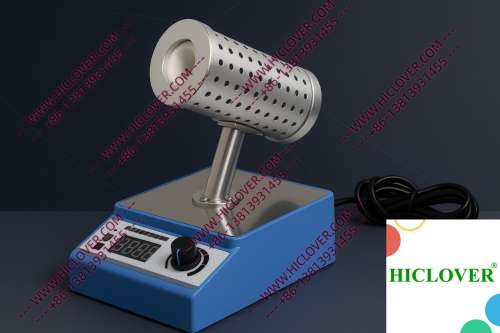
The healthcare landscape in San Antonio has experienced transformative growth, especially in biotechnology and clinical diagnostics. Hospitals, research centers, and university labs require sophisticated sterilization methods that comply with both local and international standards. The conventional reliance on traditional flame sterilizers, such as alcohol lamps and Bunsen burners, is increasingly questioned due to their inherent risks and inefficiencies.
Micro incinerators, especially the Infrared Inoculating Loop Sterilizer, have emerged as a safe, effective, and efficient alternative. Utilizing infrared heat, these devices deliver rapid thermal sterilization within an enclosed ceramic heating chamber. As a result, laboratory personnel can achieve contamination control at unprecedented speeds while minimizing the risk of accidents associated with open flames.
Understanding the Technical Principles
The Infrared Inoculating Loop Sterilizer operates through a well-defined mechanism. Its core configuration involves a high-temperature ceramic tube which utilizes precise infrared light wavelengths to generate heat. Unlike traditional flame sterilization methods, this device offers a clean, enclosed space where samples can be quickly sterilized—a crucial consideration in maintaining clean-bench-safe environments, particularly in BSL-2 and BSL-3 microbiology labs.
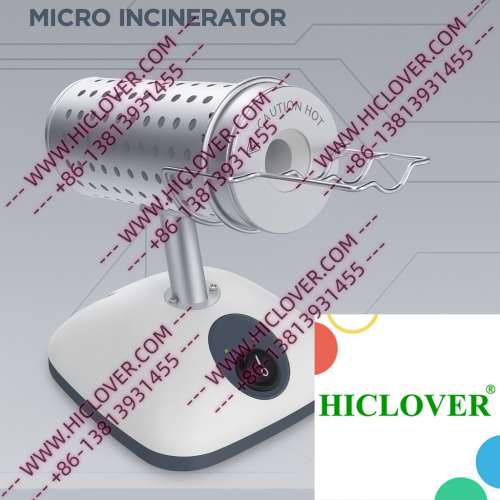
The infrared technology facilitates an even and controlled heating process, allowing for effective sterilization without the risk of flame exposure. This process not only ensures rapid thermal sterilization but also reduces the generation of aerosols, which are a crucial concern during operations within a biosafety cabinet.
Practical Applications in Various Laboratory Scenarios
Field Testing and Mobile Labs
In field testing operations, lab technicians often encounter a myriad of challenges, including limited access to sterilization resources. Micro incinerators provide a mobile solution that can be utilized in various environments. For instance, when testing clinical samples outdoors or in rural settings, rapid and reliable sterilization of inoculating loops is paramount. This eradicates the risk of cross-contamination and ensures accurate results.
Teachable Moments in University Labs
In academic settings, the importance of safe sterilization practices cannot be overstated. In university teaching labs, instructors must not only impart scientific knowledge but also instill stringent safety procedures. The Micro Incinerator serves as an ideal teaching tool, allowing students to see firsthand the effectiveness of rapid thermal sterilization. Utilizing this technology, students can practice their inoculation techniques without the hazards associated with traditional flame sterilizers, preparing them for future roles in the healthcare field.
Compliance and Environmental Standards
Ensuring compliance with biosafety measures is vital for healthcare facilities and research laboratories. The World Health Organization (WHO) has strict guidelines for laboratory operations, advocating for safe disposal methods that minimize risks associated with infectious material handling.
Traditional flame sterilizers, despite their long-standing tradition, pose significant risks in controlled environments. Their open flames are not suitable for clean rooms where volatile substances may be present. This is where micro incinerators shine. Laboratory sterilization standards demand devices that provide efficient sterilization while minimizing fire hazards. By opting for micro incinerators like the infrared inoculating loop sterilizer, labs can align with best practices for biosafety compliance and contribute to an overall safer laboratory environment.
Advantages Over Traditional Flame Sterilizers
Comparison Table: Micro Incinerator vs. Traditional Flame Sterilizers
| Feature | Micro Incinerator | Traditional Flame Sterilizers |
|---|---|---|
| Heat Source | Infrared | Open Flame |
| Control | Precise and rapid | Variable and inconsistent |
| Risk of Aerosols | Minimized | Higher risk |
| Safety | Clean-bench-safe | Potential fire hazards |
| Application Versatility | Flexible (field and lab use) | Limited to controlled environments |
FAQs about Micro Incinerators
- What is a micro incinerator?
A micro incinerator is a laboratory device that uses infrared technology to rapidly sterilize inoculating loops, providing a safer alternative to traditional flame sterilizers. - How does the infrared inoculating loop sterilizer work?
It employs enclosed ceramic heating elements that emit infrared radiation, efficiently sterilizing instruments without open flames. - Are micro incinerators safe for use in BSL-2 and BSL-3 labs?
Yes, they are designed to comply with biosafety standards and are safer than traditional flame-based methods. - Can I use a micro incinerator for field testing?
Absolutely! Their compact and portable design makes them ideal for field applications, ensuring rapid sterilization on-the-go. - How do micro incinerators contribute to compliance with WHO biosafety guidelines?
They minimize risks like cross-contamination and aerosol production, aligning with international biosafety protocols.
Conclusion
The shift towards micro incinerators marks a revolution in laboratory sterilization practices, particularly in San Antonio’s burgeoning healthcare sector. As the industry leans towards greater biosafety and efficiency, the use of infrared inoculating loop sterilizers presents a compelling case for laboratory supply distributors, hospitals, and research centers looking to enhance their sterilization workflows. By adopting this cutting-edge technology, you not only comply with safety standards but also embrace an approach that prioritizes safe, efficient laboratory operations. For inquiries on our micro incinerators or to explore purchasing options, please reach out to us today!
Categories:
Tags: