
In the landscape of laboratory work, particularly in biosafety environments, managing contamination risks can be a daunting task. Traditional sterilization methods, such as alcohol lamps and Bunsen burners, while widely used, come with inherent challenges. These flame-based systems not only emit potential aerosols that compromise clean areas but also pose fire hazards and inconsistencies in sterilization efficiency. As laboratories in Cape Town seek innovative solutions, the Micro Incinerator / Infrared Inoculating Loop Sterilizer emerges as a transformative technology, offering improved safety and performance.
Understanding the Technical Principles
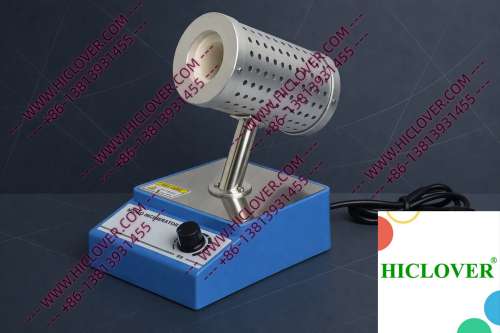
The Micro Incinerator employs advanced infrared heat technology, utilizing a closed ceramic tube designed specifically for rapid thermal sterilization. This heating chamber enables direct and efficient disinfection through high-temperature exposure, effectively eliminating microorganisms without the risks associated with open flames. With its compact design, the Micro Incinerator provides a practical solution for sterilizing inoculating loops and other laboratory tools, making it an invaluable asset in various settings.
Compared to traditional flame sterilizers, the enclosed design of the Micro Incinerator ensures aerosol-free handling and significantly minimizes the risk of contamination. The infrared system not only delivers consistent heat distribution but also allows for clean-bench-safe operation, making it ideal for sensitive laboratory environments.
Application Scenarios in Modern Labs
Biosafety Cabinet Usage
In BSL-2 and BSL-3 microbiology labs, maintaining contamination control is paramount. The Micro Incinerator’s design allows it to be safely operated within biosafety cabinets, facilitating immediate sterilization of inoculating loops used for culture work. This ensures that any bacteria or viruses do not escape the sterile environment, reinforcing lab safety protocols.
Field Testing and Teaching Labs
Mobile and field testing labs greatly benefit from the portability of the Micro Incinerator. During environmental assessments or clinical diagnostics, researchers can efficiently sterilize their tools on-site, eliminating the need to return to a fixed laboratory for sterilization. Furthermore, in university teaching labs, students can utilize this tool to perform safe and effective sterilization, enhancing their learning experience by understanding the significance of proper sterilization techniques in laboratory practices.
Compliance and Environmental Considerations
Compliance with international biosafety standards is critical in laboratory settings. The World Health Organization (WHO) sets stringent guidelines for laboratory sterilization practices, emphasizing the need for reliable methods that do not compromise biosafety. The Micro Incinerator aligns with these regulations, as it operates without an open flame, making it suitable for clean rooms where volatile substances are present. Moreover, the efficiency of infrared high-temperature disinfection helps labs comply with standard sterilization protocols, ensuring that all tools and equipment are effectively decontaminated.
Advantages Over Traditional Flame Sterilizers
| Features | Micro Incinerator | Flame Sterilizers |
|---|---|---|
| Risk of contamination | Minimal; aerosol-free handling | High; open flame can induce aerosols |
| Heat source | Infrared radiation | Open flame (Bunsen burner, alcohol lamp) |
| Safety | Enclosed design minimizes fire hazards | Flammable hazards present |
| Portability | Lightweight and compact | Generally larger and less mobile |
FAQ: Micro Incinerator Insights
- What is a Micro Incinerator and how does it work?
A Micro Incinerator is an infrared inoculating loop sterilizer that uses high temperatures to rapidly sterilize laboratory tools, preventing contamination and enhancing biosafety. - Can the Micro Incinerator be used in a biosafety cabinet?
Yes, it is specifically designed to be used within BSL-2 and BSL-3 biosafety cabinets to ensure safe sterilization operations. - How does the Micro Incinerator improve lab safety?
By eliminating the need for an open flame, the Micro Incinerator reduces fire hazards and aerosol generation, enhancing overall laboratory safety. - Is the Micro Incinerator compliant with WHO biosafety standards?
Yes, it meets international biosafety standards by providing a safe and effective sterilization method without utilizing flame. - What settings benefit the most from a Micro Incinerator?
Applications in clinical diagnostics, university teaching labs, and mobile field testing labs significantly benefit from its portability and effectiveness.
Conclusion
The adoption of Micro Incinerators in Cape Town and beyond represents a significant advancement in laboratory sterilization practices. Offering enhanced safety, compliance with biosafety regulations, and versatile applications, this technology is set to become a staple in both educational and professional laboratories. For distributors, research centers, and healthcare facilities looking to upgrade their sterilization equipment, investing in a Micro Incinerator can ensure superior contamination control and efficiency in lab operations. Contact us today to learn more about how the Micro Incinerator can revolutionize your laboratory practices!
Categories:
Tags: