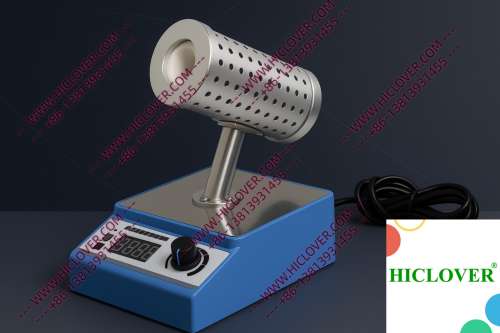
The increasing demand for effective biosafety solutions in laboratories poses significant challenges for sterilization protocols. Contamination control is paramount in clinical and research environments, necessitating advanced sterilization equipment. One innovative solution gaining prominence is the Micro Incinerator, specifically the Infrared Inoculating Loop Sterilizer. This article delves into the operational mechanics, configurations, applications, and compliance aspects of Micro Incinerators, showcasing their advantages over traditional sterilization methods.
Understanding the Micro Incinerator
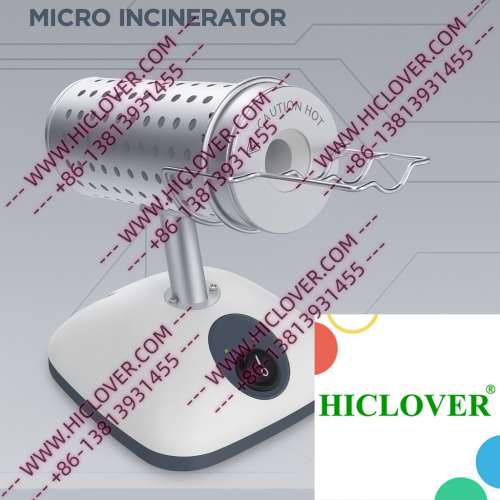
At its core, the Micro Incinerator operates on the principle of rapid thermal sterilization. It utilizes infrared heat generated within an enclosed ceramic tube to achieve high-temperature disinfection. The design is specifically engineered to ensure controlled heating, minimizing the risk of brain contamination that often accompanies traditional flame sterilizers.
Unlike conventional alcohol lamps and Bunsen burners, the Micro Incinerator guarantees an aerosol-free handling experience, mitigating the potential for airborne contamination. The compact design makes it an ideal choice for laboratory settings where space is a constraint, providing efficient sterilization without compromising safety.
Applications in Real-Life Laboratory Settings
Application Scenario 1: BSL-2 Microbiology Labs
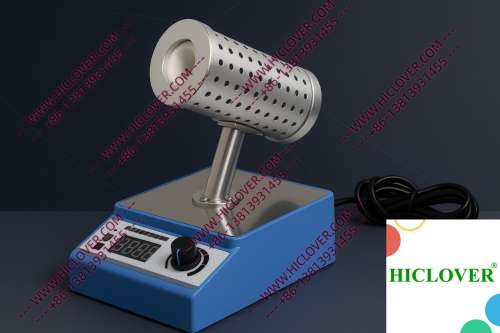
In BSL-2 labs, where biohazardous materials are frequently handled, the Micro Incinerator is an essential tool. Occupational safety and contamination control are crucial when working with pathogens. Researchers utilize the Infrared Inoculating Loop Sterilizer for the immediate disinfection of inoculating loops, culture swabs, and other instruments. With rapid heating times, sterilization can occur in mere seconds, enhancing workflow efficiency and contributing to a cleaner, safer laboratory environment.
Application Scenario 2: University Teaching Labs
In academic settings, particularly in microbiology courses, the Micro Incinerator serves as an educational tool that illustrates the principles of sterilization. Students learn essential lab skills while employing this advanced equipment, fostering a practical understanding of laboratory safety protocols. By integrating this technology into teaching labs, institutions also emphasize the importance of using cutting-edge sterilization strategies that align with industry standards.
Compliance and Environmental Considerations
In light of growing emphasis on bioethics and environmental safety, adherence to biosafety guidelines becomes critically important. The World Health Organization (WHO) sets forth biosafety standards that commend the use of non-flame sterilization techniques, especially in clean room environments. Traditional flame-based sterilizers can introduce contaminants through smoke and aerosols, presenting significant challenges to maintaining sterile conditions.
The use of Micro Incinerators aligns seamlessly with these health guidelines, providing a green solution that reduces the risk of fire hazards associated with alcohol lamps and Bunsen burners. Additionally, the ceramic heating chamber of the Micro Incinerator ensures minimal energy consumption compared to traditional methods, making it an eco-friendly alternative in modern laboratories.
Advantages Over Traditional Flame Sterilizers
| Feature | Micro Incinerator | Flame Sterilizers |
|---|---|---|
| Temperature Control | Precise infrared heat | Variable flame intensity |
| Aerosol Management | Aerosol-free handling | Potential aerosol dispersal |
| Energy Efficiency | Low energy consumption | Higher energy usage |
| Safety | No open flames | Risk of burns and fire |
Frequently Asked Questions
- What is the main advantage of using a Micro Incinerator for sterilization?
The primary advantage is its effectiveness in achieving rapid thermal sterilization without the risks associated with open flames, making it safer for users. - How does the infrared heating mechanism work in the Micro Incinerator?
The Micro Incinerator generates infrared heat that is contained within a ceramic heating chamber, ensuring even heat distribution for thorough sterilization. - Can the Micro Incinerator be used in field testing environments?
Yes, its portable design makes it suitable for field testing labs where immediate sterilization is essential for contamination control. - Is the Micro Incinerator compliant with WHO biosafety standards?
Absolutely, it aligns with WHO guidelines promoting non-flame sterilization techniques to enhance safety in laboratory environments. - How does the Micro Incinerator improve laboratory workflow?
It streamlines the sterilization process, enabling quicker turnaround times for instruments while minimizing contamination risks and enhancing overall lab efficiency.
Conclusion
The introduction of Micro Incinerators in Ahmedabad hospitals marks a significant leap forward in laboratory sterilization equipment. By providing reliable, efficient, and safe sterilization solutions, these devices enhance laboratory workflows and compliance with global biosafety standards. With its capacity for rapid thermal sterilization, the Micro Incinerator represents an advanced alternative to traditional flame-based methods.
In an era where safety and efficiency are paramount in laboratory operations, contacting a supplier for your very own Infrared Inoculating Loop Sterilizer is a decisive step toward revolutionizing your sterilization practices.
Categories:
Tags: