
The healthcare sector is facing increasing pressure to address biosafety challenges effectively, particularly in sterilization workflows. As hospitals and laboratories strive to meet stringent hygiene requirements, tools like the Micro Incinerator/Infrared Inoculating Loop Sterilizer are revolutionizing laboratory sterilization processes. This article delves into these innovations, focusing on their operational advantages and applications in various environments.
The Challenge of Laboratory Sterilization
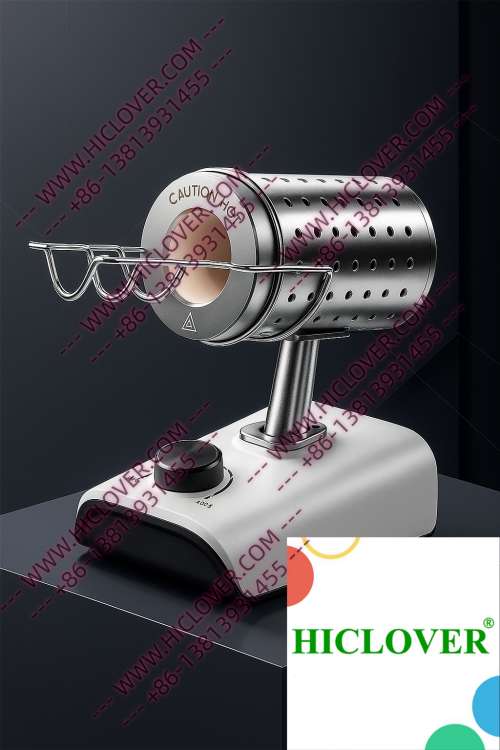
In clinical diagnostics and research laboratories, maintaining a sterile environment is of paramount importance. Traditional sterilization methods, such as alcohol lamps and Bunsen burners, are often hampered by risks of contamination and flame hazards. In contrast, the Micro Incinerator offers a reliable solution by employing rapid thermal sterilization techniques that improve workflow efficiency and enhance safety protocols.
Technical Principles Behind the Micro Incinerator
The heart of the Micro Incinerator lies in its state-of-the-art design, which includes:
- Ceramic Heating Chamber: The incinerator features an enclosed ceramic tube that generates infrared heat. This not only provides high-temperature disinfection but also minimizes the risk of aerosol contamination.
- Infrared Technology: Utilizing infrared heat ensures rapid and uniform heating, effectively eradicating microbial life in seconds.
- Energy Efficiency: Compared to traditional methods, this modern equipment consumes less power and has a longer operational lifespan.
- No open flames in clean rooms, thus decreasing the risk of ignition in sensitive environments.
- Efficient sterilization without aerosol production, reducing risks during manipulations.
- Compliance with laboratory sterilization standards, facilitating easier preparedness for inspections.
These design elements make the Micro Incinerator an invaluable asset in maintaining a sterile environment while adhering to biosafety standards.
Application Scenarios in Real Laboratories
Biosafety Cabinet Operations
In BSL-2 and BSL-3 microbiology labs, the precision and safety offered by the Micro Incinerator are crucial. When used within biosafety cabinets, it provides a clean, controlled environment where researchers can perform manipulations without exposing themselves or the samples to potential contamination. The absence of an open flame further protects sensitive samples from heat exposure and minimizes biohazard risks.
Field Testing and Mobile Labs
Field testing poses unique challenges for laboratory personnel who need to maintain sterilization standards amidst varying conditions. The Micro Incinerator’s compact design and portability make it an ideal choice for mobile or field-testing labs. Its ability to quickly and effectively sterilize inoculating loops and other equipment helps in maintaining sterile conditions, thereby boosting the reliability of field results.
Compliance with Biosafety Standards
Adherence to biosafety guidelines is paramount in any laboratory setting. The World Health Organization (WHO) emphasizes the need for laboratories to implement stringent sterilization procedures to manage hazardous pathogens. The Micro Incinerator aligns with these standards, ensuring:
In a region like Cebu, where the healthcare market is evolving rapidly, implementing tools that meet compliance standards while enhancing safety is crucial.
Advantages Over Traditional Methods
Below is a comparison table highlighting the distinct advantages of the Micro Incinerator over traditional flame sterilizers:
| Feature | Micro Incinerator | Traditional Flame Burners |
|---|---|---|
| Risk of Contamination | Low | High |
| Energy Efficiency | High | Moderate |
| Safety | No flame hazards | Open flame risks |
| Speed of Sterilization | Rapid | Slower |
| Portability | High | Low |
This comparison underscores the Micro Incinerator’s role in fostering a sterile healthcare environment, particularly in hospitals and educational institutions in Cebu.
Frequently Asked Questions
1. How does the Micro Incinerator ensure effective sterilization?
The Micro Incinerator uses infrared heat, providing rapid thermal sterilization that effectively kills micro-organisms in seconds, all within a safe and enclosed environment.
2. Is the Micro Incinerator suitable for use in field laboratories?
Yes, its compact design and high portability make it very suitable for use in mobile labs and field testing environments where quick sterilization is necessary.
3. What are the safety features of the Micro Incinerator?
It operates without open flames, reducing the risk of igniting flammable materials and allowing for safe use in clean rooms and BSL facilities.
4. How does it compare in terms of compliance with sterilization standards?
The Micro Incinerator meets and often exceeds the sterilization standards set by various health organizations, including WHO, ensuring that laboratories remain compliant.
5. Can this device be used in teaching labs?
Absolutely! The Micro Incinerator is perfect for teaching labs as it provides a safe, efficient means for students to practice sterilization techniques without the dangers associated with open flames.
Conclusion: A Smart Investment for Safer Labs
In conclusion, the introduction of the Micro Incinerator/Infrared Inoculating Loop Sterilizer to Cebu’s healthcare and educational sectors marks a significant step forward in laboratory safety and efficiency. By replacing traditional flame-based sterilizers with cutting-edge technology, facilities can ensure higher standards of biosafety while optimizing their sterilization workflows.
For laboratories, hospitals, and educational institutions seeking to enhance their contamination control measures, considering the Micro Incinerator represents an opportunity not to be missed. Don’t hesitate to contact us today to learn more about how this innovative solution can benefit your operations.
Categories:
Tags: