
Modern laboratories face a myriad of biosafety challenges, particularly when it comes to sterilizing materials and equipment. As laboratory workflows evolve, the need for effective sterilization methods has never been more paramount. Hospital micro incinerators, specifically the Infrared Inoculating Loop Sterilizer, offer a solution that meets these rigorous demands, enhancing safety and efficiency in Addis Ababa’s healthcare sector.
Innovative Sterilization Technology
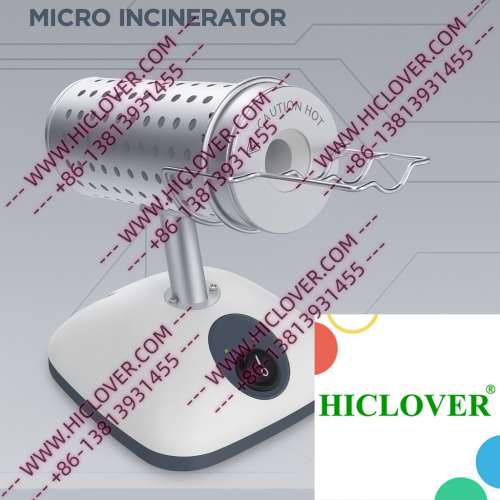
The Infrared Inoculating Loop Sterilizer employs advanced thermal sterilization principles through an enclosed ceramic tube that generates infrared heat to achieve high temperatures rapidly. Unlike traditional methods such as alcohol lamps or Bunsen burners, which are often prone to open flames and combustion risks, this micro incinerator operates without creating aerosols or compromising cleanliness, making it a perfect fit for clean rooms and biosafety cabinets.
The design features a built-in heating chamber that allows for precise control over sterilization temperatures, enabling you to achieve rapid thermal sterilization of inoculating loops and other laboratory instruments. This portable device stands as an exemplary model of modern sterilization technology in both laboratory and field settings.
Applications in Real Lab Scenarios
Biosafety Cabinet Usage
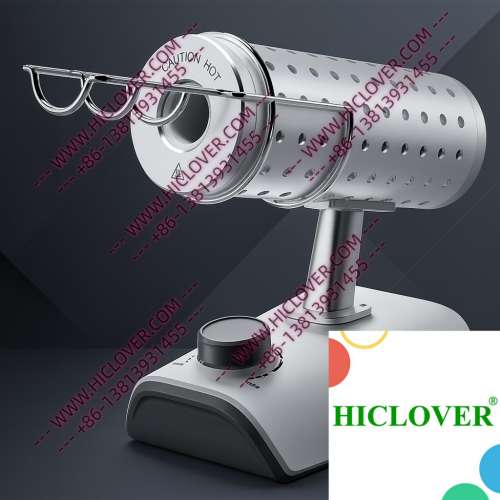
In BSL-2 and BSL-3 microbiology labs, the need for stringent sterilization protocols is critical. The Infrared Inoculating Loop Sterilizer is frequently used within biosafety cabinets to avoid contamination risks. When microbiologists handle pathogens, being able to quickly and effectively sterilize loops and other instruments enhances user safety while maintaining the integrity of the specimens being worked on.
Field Testing Operations
In mobile or field testing labs, where the environment can be unpredictable, the Infrared Inoculating Loop Sterilizer proves invaluable. Its portability means that researchers can carry it easily to remote locations, ensuring that necessary sterilization can occur while handling samples in less-conducive environments. Rapid thermal disinfection is particularly advantageous when there is no access to reliable sterilization equipment, allowing teams to maintain compliance with local health regulations on-the-go.
Compliance with Biosafety Standards
Healthcare facilities must adhere to strict guidelines set forth by the World Health Organization (WHO) regarding laboratory sterilization standards. The Infrared Inoculating Loop Sterilizer aligns with WHO biosafety regulations, as it eliminates the risk associated with flame-based sterilization. In cleanroom settings, where maintaining sterile conditions is paramount, this device removes the burden of potential contaminants introduced by open flames.
Key Benefits Over Traditional Flame Sterilizers:
- No flames, reducing fire hazards in sensitive environments.
- Faster sterilization cycles compared to alcohol lamps.
- Cleaner operations with no aerosols or smoke produced.
- Portable and easy to use, ideal for various laboratory configurations.
Comparison: Micro Incinerator vs. Flame Burners
| Feature | Micro Incinerator | Flame Burners |
|---|---|---|
| Operation Type | Infrared heat | Open flame |
| Safety | No risk of fire or airborne particles | Fire hazards and smoke production |
| Rate of Sterilization | Rapid thermal disinfection | Variable, often slower |
| Cleansing Approach | Aerosol-free handling | Introduces potential contaminants |
FAQs
- What types of instruments can be sterilized using the Infrared Inoculating Loop Sterilizer? You can effectively sterilize inoculating loops, needles, and other small metal instruments.
- Is the Micro Incinerator suitable for field tests? Yes, its portability makes it ideal for field testing in a variety of settings.
- How does the Infrared technology compare to traditional sterilization methods? The Infrared approach eliminates the risks associated with open flames, providing rapid, efficient sterilization without contamination.
- What are the energy requirements for using a Micro Incinerator? The device typically requires a standard power source making it easy to use in various environments.
- Are there specific biosafety considerations for using this device? Yes, facilities should ensure that they operate it in compliance with WHO biosafety protocols to maximize safety and effectiveness.
Conclusion
For hospitals, laboratories, and educational institutions in Addis Ababa, embracing innovative sterilization solutions like the Infrared Inoculating Loop Sterilizer is crucial. This advanced technology positions facilities to meet and exceed biosafety standards while enhancing laboratory workflow efficiency. Contact us today to learn more about how your institution can benefit from this transformative sterilization equipment and ensure a safer, cleaner laboratory environment.
Categories:
Tags: