
In today’s laboratory environments, especially in Argentina, biosafety challenges are at the forefront of operational concerns. With the increasing need for effective sterilization methods, laboratories face unique demands that require rapid thermal sterilization and stringent contamination control. One of the most revolutionary solutions contributing to the elevation of laboratory standards is the Micro Incinerator, also known as the Infrared Inoculating Loop Sterilizer. This advanced equipment is not just enhancing sterilization workflows but also encompassing critical implications for public health and environmental safety.
Understanding the Technical Principles of Micro Incinerators
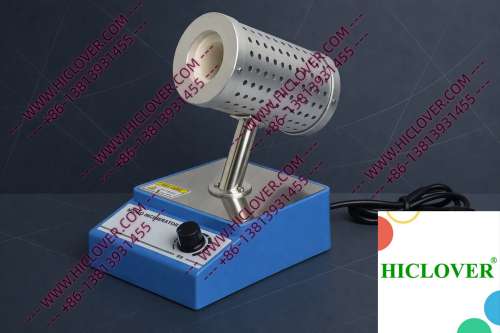
The Micro Incinerator utilizes infrared heating technology, allowing for enclosed ceramic tube heating. Unlike traditional flame-based sterilizers, such as alcohol lamps and Bunsen burners, this device provides a clean, flameless option conducive to sterile environments. The infrared heat generated by the ceramic chamber rapidly sterilizes inoculating loops and other laboratory tools without the risk of aerosol contamination, thus preserving the sterile conditions required in various biosafety settings.
Applications in Real Laboratory Settings
Field Testing Laboratories
Field testing laboratories in Argentina, particularly those involved in infectious disease surveillance, benefit significantly from the portable Micro Incinerator. Researchers often work outside the traditional lab setting, where maintaining sterility can be a challenge. Utilizing this device, they can effectively sterilize their instruments on-site, ensuring that there is no cross-contamination of samples. The lightweight design and battery-operated option allow for efficient operations even in remote locations.
University Teaching Labs
University laboratories focusing on microbiology — especially BSL-2 and BSL-3 environments — require strict adherence to sterilization protocols. The Micro Incinerator serves as an ideal educational tool for teaching safe sterilization practices. Students can observe rapid thermal sterilization in action without the risks associated with open flame methods. This fosters a deeper understanding of contamination control and promotes safe handling techniques within clean-bench environments.
Compliance with Biosafety Standards
The World Health Organization (WHO) provides clear guidelines for laboratory biosafety, particularly related to sterilization standards. The Micro Incinerator aligns with these standards by eliminating open flames in clean rooms. This mitigates risks associated with fire hazards and bioaerosol generation, enhancing overall safety in laboratories. Furthermore, stringent compliance with international biosafety requires facilities to adopt sterilization equipment that minimizes the risk of explosive accidents while maximizing efficiency.
Benefits of Micro Incinerators Over Traditional Flame Sterilizers
| Feature | Micro Incinerator | Flame Burners |
|---|---|---|
| Heating Technology | Infrared | Open Flame |
| Safety | Flameless, Reduced Risk | Fire Hazard |
| Contamination Control | Aerosol-Free | Potentially Aerosol-Generating |
| Portability | Lightweight and Portable | Generally Stationary |
| Ease of Use | Simple Operation | Requires Additional Skill |
With these advantages, laboratories in Argentina and across the globe are encouraged to transition from traditional flame sterilizers to micro incinerators, enhancing both safety and functionality.
FAQs About Micro Incinerators
- What is a micro incinerator, and how does it work? A micro incinerator uses infrared heat to rapidly sterilize inoculating loops and other laboratory instruments without open flames.
- Where can I use a micro incinerator? Micro incinerators are ideal for use in various laboratory settings, including university teaching labs, field testing scenarios, and biosafety cabinets.
- How does the micro incinerator ensure compliance with biosafety standards? The device eliminates open flames, adhering to WHO biosafety guidelines while minimizing risk to laboratory personnel.
- Are micro incinerators portable? Yes, many models are designed for portability, making them convenient for both in-field and laboratory use.
- What are the benefits of using a micro incinerator over traditional sterilizers? The main benefits include enhanced safety, better contamination control, and ease of use.
Conclusion: The Future of Lab Sterilization in Argentina
The adoption of portable Micro Incinerators represents not just a trend but a necessary evolution in laboratory sterilization equipment. As Argentina progresses in its healthcare and educational initiatives, these devices will play an indispensable role in safeguarding public health through effective sterilization practices. For suppliers and laboratories looking to enhance their workflows and safety compliance, investing in a Micro Incinerator will be a step forward into the future of safe laboratory management.
If you’re interested in improving your laboratory’s sterilization practices and would like to learn more about the Micro Incinerator, please reach out for further information and detailed product specifications. Together, let’s embrace the innovation that transforms waste management and biosafety standards in Argentina.
Categories:
Tags: