
In today’s laboratory environments, effective waste management and contamination control are paramount. Especially in BSL-2 and BSL-3 microbiology labs, the challenges of sterilizing tools and materials pose unique demands on biosafety protocols. Traditional flame sterilizers like alcohol lamps and Bunsen burners, while common, often fall short of modern lab standards due to safety risks and inefficiencies. This transition toward automated solutions leads us to a remarkable innovation: the Micro Incinerator and Infrared Inoculating Loop Sterilizer.
Understanding the Technical Principles of Infrared Sterilization
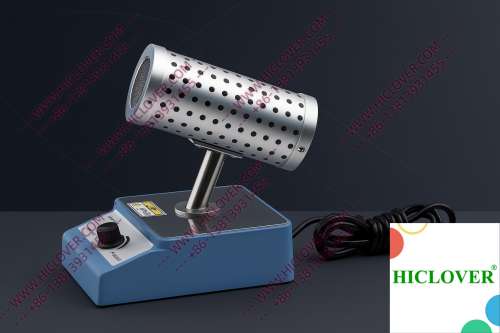
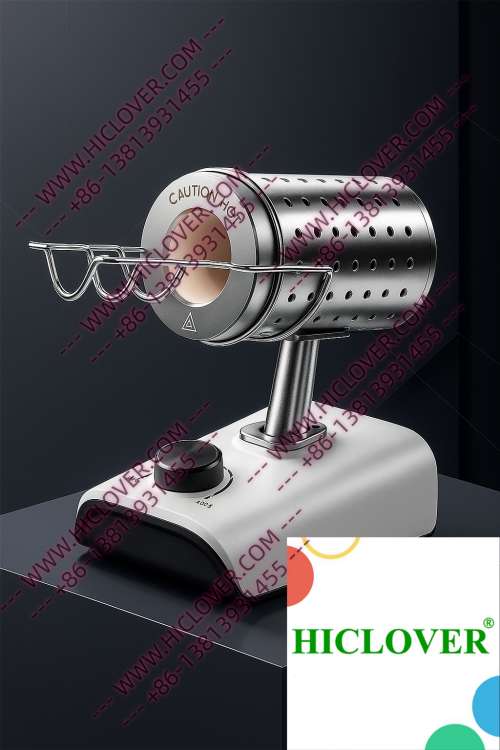
Micro Incinerators function through the principle of rapid thermal sterilization. At their core, these devices utilize infrared heat generated within an enclosed ceramic tube. When a temperature of up to 850°C is reached, the apparatus sterilizes inoculating loops, needles, and small equipment in mere seconds. This process not only dramatically reduces the time required for sterilization but also enhances safety by minimizing the risk of open flames. The enclosed design ensures that aerosol formation is eliminated, making it clean-bench-safe and ideal for use in environments requiring high levels of contamination control.
Application Scenarios in Real Labs
- Biosafety Cabinets: In BSL-2 labs making use of biosafety cabinets, the Micro Incinerator can be placed on the work surface to allow sterilization of instruments without exposing the room to hazardous materials. The instrument’s rapid heating capabilities contribute to efficient workflows by enabling rapid transitions between inoculation and sterilization.
- Field Testing: Mobile laboratories conducting field tests often face logistical challenges regarding equipment sterilization. Utilizing a portable Micro Incinerator allows teams to sterilize their tools on-site without the need for cumbersome flame-based devices, streamlining the workflow even in remote locations.
Compliance and Environmental Considerations
Compliance with biosafety regulations is critical in any laboratory setting. The World Health Organization (WHO) has laid out stringent biosafety standards that uphold the health and safety of laboratory staff and the environment. Traditional flame sterilization methods can pose risks, particularly in clean rooms and controlled atmospheres. Micro Incinerators eliminate these risks effectively while adhering to the necessary lab sterilization standards. Their operation is flame-free, aligning perfectly with protocols that require minimized risk of fire hazards or contamination.
“By transitioning to Infrared Inoculating Loop Sterilizers, labs not only improve workflow efficiency but also significantly reduce contamination risks, thus meeting stringent biosafety requirements.” – Laboratory Safety Expert
Advantages Over Traditional Flame Sterilizers
| Feature | Micro Incinerator | Flame Sterilizers (Alcohol Lamps/Bunsen Burners) |
|---|---|---|
| Temperature Control | Rapid & Consistent | Variable & Potentially Inconsistent |
| Risk of Contamination | Minimized | Higher |
| Aerosol Production | None | Possible |
| Usability in Clean Rooms | Ideal | Not Recommended |
FAQs
What is a Micro Incinerator used for?
A Micro Incinerator is primarily used for rapid sterilization of laboratory instruments like inoculating loops, needles, and glassware, ensuring efficient contamination control.
Can Micro Incinerators be used in field settings?
Yes, Micro Incinerators are portable and designed for field testing labs, allowing for effective sterilization of tools in remote locations without open flames.
How does infrared sterilization work?
Infrared sterilization works by generating high temperatures within an enclosed ceramic chamber, which rapidly heats and sterilizes instruments without producing aerosols.
Are Micro Incinerators compliant with WHO biosafety standards?
Absolutely. Micro Incinerators operate safely within laboratory requirements and comply with WHO biosafety guidelines, particularly in BSL-2 and BSL-3 environments.
What are the advantages of using a Micro Incinerator over a Bunsen burner?
Advantages include reduced risk of contamination, rapid and consistent temperature control, and the ability to operate safely in clean rooms, unlike traditional flame methods.
Conclusion
Adopting Micro Incinerators in laboratory settings means embracing a revolutionary approach to sterilization and waste management. These units meet the demands for contamination control while aligning with stringent biosafety standards, paving the way for safer, more efficient laboratory operations. For those interested in optimizing their laboratory sterilization processes, now is the time to consider investing in Micro Incinerators or Infrared Inoculating Loop Sterilizers. Contact us today for further information or to discuss your specific needs.
Categories:
Tags: