
In modern laboratory settings, the demand for effective and safe biosafety solutions has never been greater. Laboratories, particularly those operating under stringent biosafety level 2 (BSL-2) and level 3 (BSL-3) conditions, face numerous challenges related to contamination control and sterilization workflows. The traditional methods of sterilization, such as alcohol lamps and Bunsen burners, pose risks due to their open flames, which can lead to hazardous aerosols and contamination in cleanroom environments. To meet these challenges, Israel has pioneered an innovative solution with the Micro Incinerator, particularly the Infrared Inoculating Loop Sterilizer.
Understanding the Technical Principles of Micro Incinerators
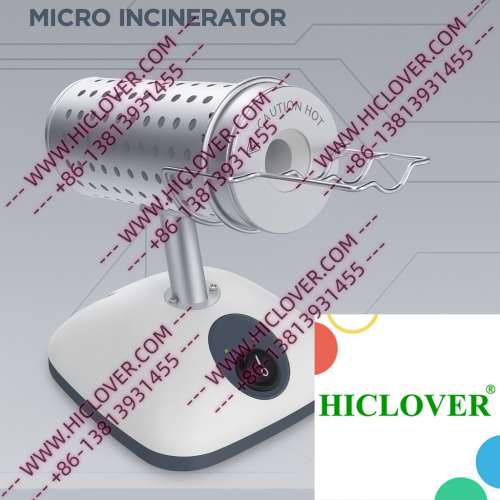
The Micro Incinerator employs advanced infrared heating technology to achieve rapid thermal sterilization without the need for an open flame. This device consists of an enclosed ceramic tube that generates high-temperature disinfection through infrared radiation. The result is an effective and safe means of sterilization that ensures sterilization of inoculating loops and other instruments used in various laboratory applications.
The infrared heating mechanism allows the device to reach temperatures necessary for effective sterilization almost instantaneously. In contrast to traditional methods, this process minimizes the risk of thermal shock to tools and instruments, providing a more controlled and efficient means of achieving sterilization.
Applications of Micro Incinerators in Laboratory Settings
The Micro Incinerator has been adopted across various laboratory environments due to its versatile and safe sterilization capabilities.
- Biosafety Cabinets: In BSL-2 and BSL-3 laboratories, the use of a Micro Incinerator within a biosafety cabinet allows for aerosol-free handling of microbe samples without compromising the sterile environment.
- Field Testing Labs: In the field, where traditional sterilization methods may not be viable, portable Micro Incinerators cater to the need for immediate and reliable sterilization of inoculating tools, ensuring the safety of environmental tests.
- Teaching Labs: Educational institutions can benefit from the use of Micro Incinerators in teaching labs, where students can safely learn about sterilization techniques in a controlled environment.
Compliance and Environmental Considerations
Compliance with biosafety standards and laboratory sterilization regulations is critical in operating laboratories, especially when handling potentially pathogenic samples. The World Health Organization (WHO) and various national health organizations provide guidelines that underline the importance of effective sterilization practices. The Micro Incinerator meets these standards by eliminating open flames, thus reducing risks associated with benzene and aerosols in cleanroom environments.
Using a Micro Incinerator not only aligns with biosafety compliance but also contributes towards more sustainable waste management practices. By efficiently producing high-temperature disinfection, laboratories can minimize waste and ensure that their sterilization methods have minimal environmental impact.
Micro Incinerator vs. Traditional Flame Sterilizers: A Comparative Overview
| Feature | Micro Incinerator | Traditional Flame Sterilizers |
|---|---|---|
| Heating Method | Infrared Technology | Open Flame (Bunsen Burner/Alcohol Lamp) |
| Contamination Risk | Minimized – Aerosol-Free | High – Risk of Contamination |
| Temperature Control | Precise and Rapid | Variable and Often Uncontrolled |
| Suitability for Cleanrooms | Ideal | Not Suitable |
| Portability | Portable Models Available | Generally Bulky |
Frequently Asked Questions about Micro Incinerators
What is a Micro Incinerator and how does it work?
A Micro Incinerator is a device that utilizes infrared heating technology within a ceramic tube to sterilize inoculating loops and other laboratory equipment quickly and safely, without the use of an open flame.
What are the advantages of using a Micro Incinerator over traditional sterilizers?
Micro Incinerators provide precise thermal control, minimize contamination risks by generating no aerosols, and are suitable for cleanroom environments, unlike traditional flame sterilizers.
Are Micro Incinerators suitable for field testing laboratories?
Yes, portable models of Micro Incinerators are designed for ease of transport and can effectively sterilize instruments in field testing environments.
Can Micro Incinerators be used in university teaching labs?
Absolutely. They offer a safe and effective way for students to learn about sterilization while maintaining compliance with laboratory safety standards.
How do Micro Incinerators contribute to environmental sustainability?
By enhancing sterilization efficiency and reducing waste produced in the sterilization process, Micro Incinerators support sustainable practices in laboratory settings.
Conclusion: Transform Your Laboratory’s Sterilization Practices
In conclusion, integrating Micro Incinerators into laboratory workflows represents a significant advancement in sterilization practices. With their innovative design and adherence to stringent biosafety standards, these devices offer unparalleled safety and efficiency compared to traditional sterilizers. If you’re looking to revolutionize your laboratory’s waste management and sterilization processes, consider the Micro Incinerator. Contact us today to learn more and explore purchasing options tailored to your laboratory’s needs.
Categories:
Tags: