
In the rapidly evolving field of laboratory safety, the need for effective waste management and sterilization equipment has never been more critical. Hospitals and laboratories in Mogadishu face significant biosafety challenges, particularly in handling waste materials that may contain infectious agents. The emergence of Micro Incinerators offers a transformative solution, enabling sterile workflows and efficient waste disposal with minimal environmental impact, especially in the context of laboratory sterilization equipment.
Understanding the Micro Incinerator: Technical Principles
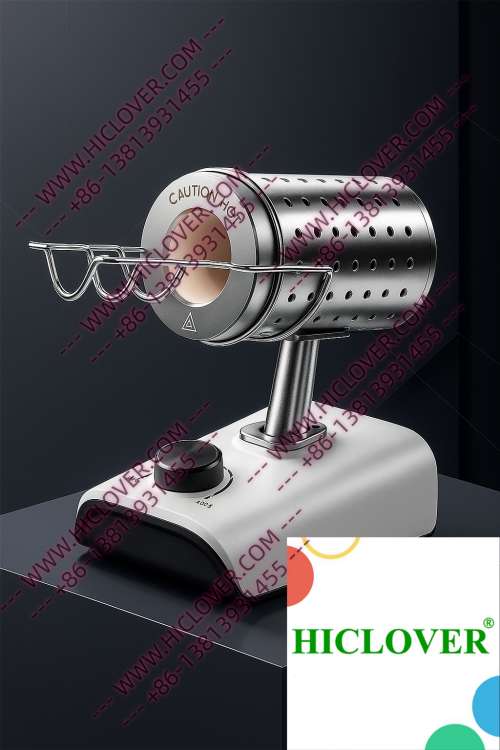
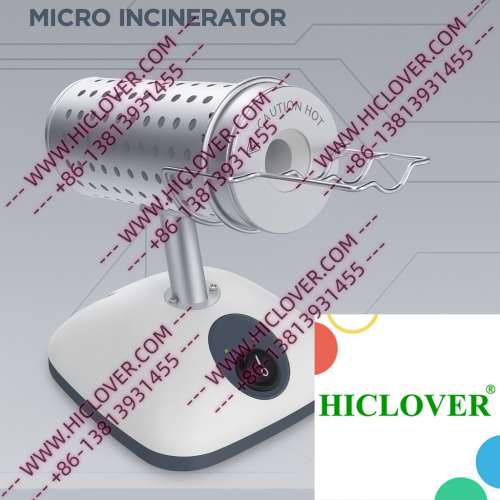
A Micro Incinerator, specifically the Infrared Inoculating Loop Sterilizer, operates on advanced thermal principles, utilizing infrared heat generated within an enclosed ceramic tube. This technology allows for rapid thermal sterilization, effectively eliminating contaminants without the risks associated with traditional flame-based methods. The compact design of the incinerator, combined with its aerosol-free handling capabilities, ensures that the sterilization process is both safe and efficient.
Unlike conventional sterilizers such as alcohol lamps and Bunsen burners, which often compromise laboratory safety with open flames, the Micro Incinerator maintains a clean-bench-safe environment, crucial for BSL-2 and BSL-3 microbiology labs. This safety feature is particularly relevant in the field of clinical diagnostics, where contamination control is paramount.
Applications of Micro Incinerators in Laboratory Settings
- Biosafety Cabinets: In high-containment settings, the Micro Incinerator seamlessly integrates within biosafety cabinets, allowing researchers to sterilize inoculating loops and other tools without exposing them to harmful pathogens. The enclosed design minimizes stray aerosols, ensuring high safety standards are met.
- What is a Micro Incinerator?
A Micro Incinerator is a compact sterilization device that uses infrared heat to rapidly sterilize laboratory tools and equipment, offering a safer alternative to traditional flame sterilizers.
<li><strong>Field Testing:</strong> Researchers conducting mobile or field testing rely on the portability and efficacy of the Micro Incinerator. Its ability to operate without bulky setups or open flames makes it ideal for outdoor experiments and health assessments in remote areas.</li>
<li><strong>Teaching Labs:</strong> Educational institutions benefit from the implementation of Micro Incinerators in teaching laboratories. Demonstrating the principles of sterilization safely is essential for training future scientists in contamination control, particularly in microbiology courses.</li>
Comparison of Micro Incinerators and Traditional Flame Sterilizers
| Feature | Micro Incinerator | Flame Burners |
|---|---|---|
| Heat Source | Infrared, enclosed | Open flame |
| Sterilization Speed | Rapid | Variable |
| Aerosol Production | None | High |
| Safety | High (no flames) | Medium (burn risk) |
| Environmental Impact | Low (energy efficient) | Moderate (burns fuel) |
Compliance and Environmental Considerations
The introduction of Micro Incinerators aligns with **WHO biosafety** standards, addressing the growing need for sterile environments in healthcare and research settings. The absence of open flames not only enhances safety within cleanroom operations but also minimizes potential hazards associated with flammable materials. Furthermore, compliance with laboratory sterilization standards ensures that items are treated in accordance with legal and ethical practices, reinforcing the importance of effective waste management in healthcare settings.
Given the specific needs within Mogadishu’s healthcare framework, integrating Micro Incinerators into the sterilization workflow offers a path towards enhanced safety, operational efficiency, and environmental sustainability.
FAQs About Micro Incinerators
<li><strong>How does the Infrared Inoculating Loop Sterilizer work?</strong><br> It operates by heating a ceramic tube to high temperatures using infrared radiation, effectively killing microorganisms without the production of harmful aerosols.</li>
<li><strong>Can a Micro Incinerator be used in BSL-2 labs?</strong><br> Yes, Micro Incinerators are designed for use in BSL-2 and BSL-3 laboratories, where stringent sterilization protocols are necessary to prevent biohazard exposure.</li>
<li><strong>What are the advantages of using a Micro Incinerator over a Bunsen burner?</strong><br> The primary advantages include enhanced safety due to the absence of an open flame, faster sterilization times, and reduced aerosol exposure, making it suitable for clean environments.</li>
<li><strong>Are Micro Incinerators energy efficient?</strong><br> Yes, Micro Incinerators are designed with energy efficiency in mind, reducing the environmental impact associated with laboratory sterilization processes.</li>
Conclusion
The arrival of Micro Incinerators in Mogadishu’s hospitals and laboratories marks a significant step forward in addressing the biosafety challenges faced by healthcare providers. By ensuring rapid and efficient sterilization while promoting safety and compliance, these devices are set to revolutionize waste management in laboratory and clinical settings. If you are interested in enhancing your sterilization workflows or have specific inquiries regarding our Infrared Inoculating Loop Sterilizers, we invite you to contact us for more information or to make a purchase.
Categories:
Tags: