
In the world of laboratory work, maintaining biosafety standards while ensuring effective sterilization can be a daunting challenge. As laboratories continue to produce waste in various formats, the need for efficient containment solutions has never been more critical. Traditional sterilization methods, such as alcohol lamps and Bunsen burners, have shown limitations in both safety and efficacy. This is where the introduction of Micro Incinerators comes into play, particularly the innovative Infrared Inoculating Loop Sterilizer.
Understanding the Technology Behind Micro Incinerators
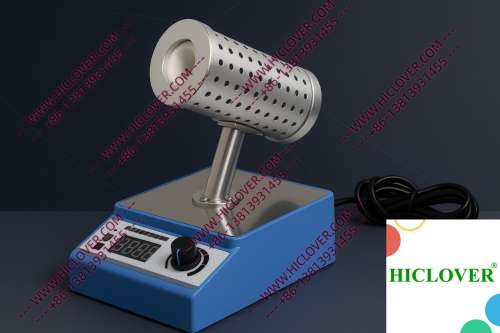
The Micro Incinerator utilizes the principles of infrared heat to achieve rapid thermal sterilization. Unlike traditional flame sterilizers, which can introduce unwanted contaminants and pose safety risks in clean environments, the Micro Incinerator operates using an enclosed ceramic heating chamber that ensures high-temperature disinfection. This method is clean-bench-safe and provides aerosol-free handling, making it ideal for sensitive laboratory settings.
Technical Configuration and Benefits
This advanced sterilization equipment is built to handle a variety of laboratory needs. With a compact design, the Micro Incinerator can efficiently fit into standard laboratory workspaces while offering superior performance. The infrared technology allows users to achieve high temperatures of up to 800°C in mere seconds, ensuring that the sterilization process is both quick and reliable.
Advantages of Micro Incinerators Over Traditional Flame Sterilizers
- Fast sterilization cycle times, significantly reducing operational delays.
- Minimized contamination risks through closed chamber design.
- Enhanced safety with no open flames in clean room environments.
- Uniform heating across the ceramic tube for consistent results.
- Reduced energy consumption compared to traditional burners.
Application Scenarios of Micro Incinerators
Micro Incinerators are versatile and can be utilized across various laboratory settings. Below are two prime examples:
Biosafety Cabinets
In BSL-2 and BSL-3 microbiology labs, contamination control is crucial. The Micro Incinerator is perfect for use in biosafety cabinets as it ensures that instruments like inoculating loops can be sterilized without exposing the surrounding environment. By employing rapid thermal sterilization within the chamber, researchers can efficiently achieve sterile conditions without the risk of flames and aerosols.
University Teaching Labs
Teaching laboratories that prepare students for real-world laboratory practices can benefit tremendously from incorporating Micro Incinerators into their curricula. The safety features allow students to learn proper sterilization techniques without the hazards associated with open flames. This enhances their training and aligns with current laboratory safety standards.
Compliance and Environmental Considerations
Compliance with biosafety regulations is paramount in laboratory environments. The World Health Organization (WHO) emphasizes the importance of lab sterilization standards to prevent cross-contamination and regrettable incidents. The Micro Incinerator contributes to achieving compliance, especially in areas where open flames are prohibited, such as clean rooms and sensitive research environments.
As laboratories are increasingly aiming for sustainability, the Micro Incinerator also allows for a better environmental footprint. Traditional methods involving gases and open flames contribute to increased air pollution, whereas modern sterilizers utilize efficient designs that minimize chemical waste and energy consumption.
FAQs about Micro Incinerators
What is the main benefit of using a Micro Incinerator in a lab setting?
The primary benefit is rapid thermal sterilization without the risks associated with open flames, ensuring a safer and cleaner environment for laboratory work.
How does the infrared technology in the Micro Incinerator work?
The Micro Incinerator uses infrared heating elements to achieve high temperatures quickly, which sterilizes equipment effectively within an enclosed chamber.
Can Micro Incinerators be used in field-testing laboratories?
Yes, the compact design and efficient sterilization make Micro Incinerators highly suitable for mobile field-testing labs, enhancing their operational capabilities.
Which labs primarily benefit from Micro Incinerator usage?
Biosafety Level 2 and 3 labs, clinical diagnostics, and university teaching labs are just a few examples where Micro Incinerators can significantly enhance sterilization protocols.
Are there any specific maintenance requirements for a Micro Incinerator?
Regular cleaning of the heating components and following the manufacturer’s maintenance recommendations will ensure optimal performance and longevity of the unit.
Conclusion
The transition to Micro Incinerators symbolizes a significant advancement in sterilization technology, particularly for facilities in Phoenix caring about cleanliness, safety, and compliance. This innovative equipment not only meets the rigorous demands of laboratory workflows but also addresses biosafety challenges in an environmentally responsible manner. For labs looking to enhance their sterilization processes, the Micro Incinerator offers a forward-thinking solution that balances efficiency with safety.
For inquiries or to request a demo of the cutting-edge Micro Incinerators, we encourage you to contact our sales team today!
Categories:
Tags: