
In the bustling hospitals of Accra, Ghana, the need for reliable laboratory sterilization has never been more pressing. The increasing volume of biohazardous waste, amidst a backdrop of rising healthcare demands, poses significant challenges for biosafety and contamination control. Traditional sterilization methods, such as flame sterilizers, can introduce risks and inefficiencies within laboratory workflows. As healthcare professionals seek effective solutions, the spotlight is now on state-of-the-art Micro Incinerators that promise enhanced sterilization capabilities tailored to modern laboratory needs.
Understanding the Micro Incinerator Principle
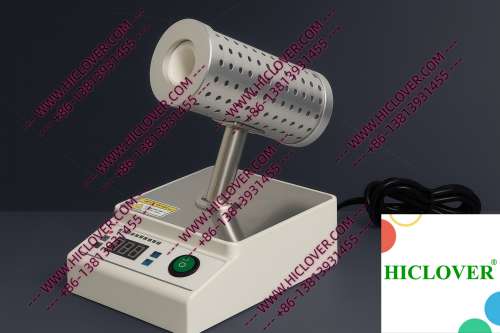
At the heart of the Micro Incinerator’s design is its advanced use of infrared heat technology, which delivers rapid thermal sterilization without the complications associated with open flames. This innovative device operates through an enclosed ceramic heating chamber that generates a consistent and targeted heat source. By utilizing infrared radiation, the Micro Incinerator ensures high-temperature disinfection of inoculating loops, needles, and other laboratory instruments without the creation of harmful aerosols or flame-generated contaminants.
Configuration and Features of the Micro Incinerator
- Infrared Heating Technology: Enables quick sterilization cycles, reducing downtime.
- Clean-Bench-Safe: Facilitates a safer working environment by eliminating open flames.
- Aerosol-Free Handling: Minimizes contamination risks, essential for BSL-2 and BSL-3 microbiology labs.
- Portability: Ideal for mobile or field testing labs needing efficient sterilization solutions.
- WHO Guidelines: Aligning with sterilization standards to ensure safety and efficacy.
- Cleanroom Regulations: Micro Incinerators produce no flames or aerosols, making them compliant for clean environment use.
- Efficient Waste Management: Gaining approval for disposal practices that ensure biohazardous materials are handled safely.
- What is the primary advantage of using a Micro Incinerator?
The Micro Incinerator provides rapid, aerosol-free sterilization, reducing risks associated with contamination. - Is it suitable for all laboratory settings?
Yes, it is ideal for BSL-2 and BSL-3 laboratories, as well as clinical and educational environments. - How does it compare to traditional flame methods?
Micro Incinerators offer greater safety, efficiency, and compliance with biosafety regulations compared to traditional flame sterilizers. - Can it be used in the field?
Absolutely! Its portable design makes it perfect for mobile laboratory setups. - What maintenance is required for this equipment?
Routine checks of the heating elements and cleaning of the ceramic tube are recommended to maintain performance.
Real-World Applications of Micro Incinerators
Micro Incinerators have found versatile applications in various laboratory settings across Accra, demonstrating their invaluable role in modern practices:
1. Clinical Diagnostics Labs
In clinical diagnostics labs, swift and effective sterilization of instruments is crucial for maintaining sample integrity and laboratory safety. The Micro Incinerator is used to disinfect inoculating loops rapidly between samples, ensuring that microbial cultures remain uncontaminated. This efficiency is vital in environments where time-sensitive results can impact patient outcomes.
2. University Teaching Labs
In educational settings, teaching labs often introduce students to sterilization protocols. The Micro Incinerator allows for safe demonstrations of sterilization techniques without the hazards presented by flame-based methods. Students can learn proper sterilization while minimizing any risks associated with burns or contamination.
Compliance with Biosafety Standards
Adhering to biosafety standards is essential for any laboratory, particularly those operating within healthcare and research. The World Health Organization (WHO) emphasizes the importance of laboratory sterilization standards to prevent pathogen transmission. Flame sterilizers struggle to meet these demands, especially in cleanroom environments where even minor contaminants can lead to costly errors.
Key biosafety compliance highlights include:
Micro Incinerator vs. Traditional Flame Sterilizers
| Feature | Micro Incinerator | Flame Sterilizers |
|---|---|---|
| Heat Source | Infrared | Open Flame |
| Safety | Low Risk of Fire | Higher Injury Risk |
| Aerosol Contamination | None | Possible |
| Efficiency | Rapid | Time-Consuming |
Frequently Asked Questions
Conclusion
As Accra’s hospitals continue to prioritize quality healthcare delivery, the adoption of Micro Incinerators marks a significant evolution in laboratory sterilization practices. With their unmatched safety features, efficiency, and adherence to biosafety standards, these devices are transforming waste management in clinical and educational settings alike.
For hospitals, universities, and research centers looking to enhance their sterilization processes, investing in a Micro Incinerator is a forward-thinking move. Contact us today to explore how our range of Micro Incinerators can meet the specific needs of your laboratory, and ensure a safer, more efficient working environment.
Categories:
Tags: