
As the healthcare landscape evolves, so do the challenges related to laboratory biosafety and effective sterilization workflows. In Mashhad, hospitals are increasingly recognizing the need to implement advanced sterilization equipment, specifically the innovative Micro Incinerators. These devices, particularly the Infrared Inoculating Loop Sterilizer, are addressing practical issues surrounding contamination control and environmental safety.
Understanding the Technical Principles Behind Micro Incinerators
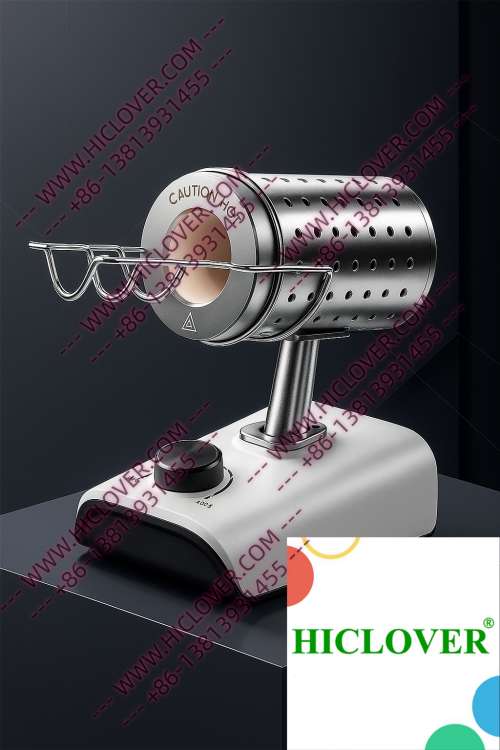
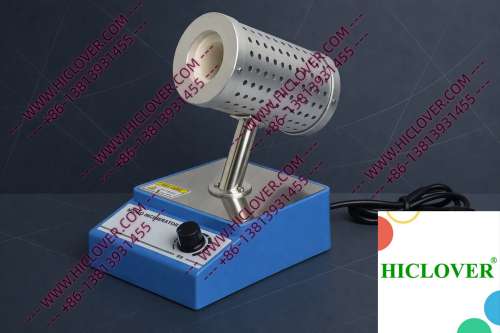
Micro Incinerators utilize infrared heat to achieve rapid thermal sterilization, providing an efficient solution for sterilizing inoculating loops, needles, and other laboratory implements. Unlike traditional flame-based sterilizers, Micro Incinerators provide a flame-free environment, which is essential for clean room operations.
The core of this technology lies in its enclosed ceramic heating chamber, which can rapidly reach high temperatures necessary for effective disinfection. With an operational temperature range that surpasses conventional flame sterilizers, these devices offer superior safety and efficacy.
Application Scenarios in Real Labs
- Biosafety Cabinet Operations: In a BSL-2 microbiology lab, the Micro Incinerator serves as a critical tool for maintaining sterile conditions. Its aerosol-free handling minimizes the risk of airborne contaminants that could compromise sensitive experiments.
- Field Testing Labs: For field research, portability and efficient sterilization are key. Mobile Micro Incinerators enable researchers to conduct their work in remote areas without sacrificing biosafety, allowing for immediate sterilization of tools post-sampling.
Regulatory Compliance and Environmental Responsibility
Adhering to established biosafety standards is imperative for laboratories. The World Health Organization (WHO) stresses the importance of managing biological waste in a manner that mitigates risks to human health and the environment. In this light, the Micro Incinerator not only abides by these stringent guidelines but also excels in delivering a no-flame solution in clean rooms, aligning with lab sterilization standards globally.
Another crucial aspect is the environmental footprint. Traditional methods like alcohol lamps and Bunsen burners emit harmful byproducts that can compromise air quality. In contrast, Micro Incinerators provide a cleaner solution, significantly reducing environmental impact.
Advantages Over Traditional Flame Sterilizers
| Feature | Micro Incinerator | Traditional Flame Sterilizers |
|---|---|---|
| Temperature Control | Rapid and precise | Variable; dependent on user experience |
| Aerosol Generation | None | Often present; higher risk of contamination |
| Environmental Safety | Lower emissions | Higher emissions |
| Ease of Use | Simplified; no flame required | Requires careful handling |
Conclusion: Embrace a New Era of Laboratory Sterilization
The evolving landscape of laboratory requirements calls for solutions that enhance safety, efficiency, and environmental responsibility. The Micro Incinerator, particularly the Infrared Inoculating Loop Sterilizer, stands out as a superior choice for modern labs in Mashhad and beyond.
Whether you’re operating within a BSL-2 environment, conducting field tests, or teaching in a university lab, integrating this cutting-edge sterilization technology could significantly improve your workflows. Don’t let outdated methods hold your laboratory back—invest in the future of sterilization today!
FAQs
What is a Micro Incinerator?
A Micro Incinerator is a sterilization device that uses infrared heat to eliminate contaminants from laboratory tools and equipment, offering a flame-free option for sterilization.
Why should laboratories switch from traditional flame sterilizers?
Micro Incinerators provide better temperature control, eliminate aerosol generation, and are environmentally friendly compared to traditional methods, making them a safer and more effective choice.
Can Micro Incinerators be used in clean rooms?
Yes, Micro Incinerators are designed for cleanroom environments due to their flame-free operation and reduced emission of harmful byproducts.
How do Micro Incinerators comply with WHO standards?
Micro Incinerators align with WHO regulations by offering a safe method for biological waste management, reducing contamination risks in laboratories.
What types of labs benefit most from Micro Incinerators?
Micro Incinerators are particularly beneficial in BSL-2 and BSL-3 microbiology labs, clinical diagnostic facilities, and educational institutions, as they adhere to high biosafety standards.
Categories:
Tags: