
In the modern landscape of laboratory biosafety, the challenges of effective waste management and sterilization are paramount. Hospitals, particularly in growing urban centers like Kampala, face an ongoing struggle with contamination control and proper disposal of hazardous materials. As laboratories seek more efficient and environmentally friendly solutions, traditional flame sterilizers such as alcohol lamps and Bunsen burners are increasingly being scrutinized for their limitations. Enter the Micro Incinerator, specifically designed for optimal laboratory sterilization and waste management.
Understanding the Micro Incinerator
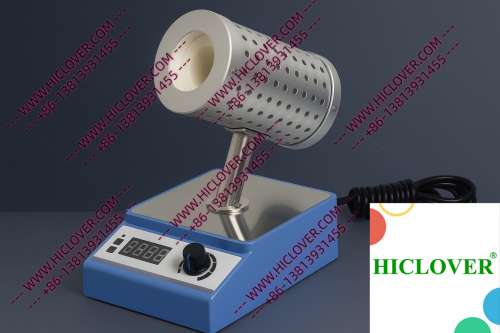
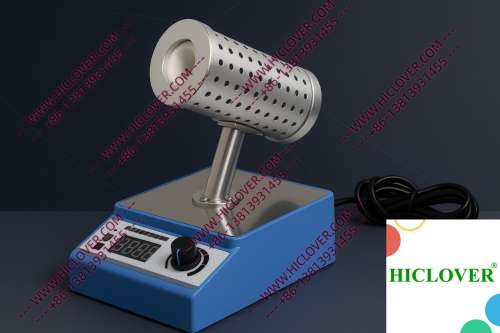
The Micro Incinerator / Infrared Inoculating Loop Sterilizer operates on the principle of rapid thermal sterilization using infrared heat. This technology is centered around an enclosed ceramic heating chamber where temperatures can reach upwards of 800°C (or 1472°F). The process allows for the immediate destruction of pathogens and contaminants, ensuring a clean and sterile working environment.
- Enclosed Ceramic Tube: This design minimizes the risk of aerosolization, providing a safe working environment, particularly in clean bench settings.
- High-Temperature Disinfection: The infrared approach ensures that equipment is thoroughly sterilized in seconds, saving valuable time for laboratory workflows.
- Reduced Contaminants: With no open flame, the risk of contamination is significantly diminished, making it suitable for BSL-2 and BSL-3 labs.
Application Scenarios: Practical Uses in Laboratories
Biosafety Cabinets
In many clinical diagnostics labs, particularly within Kampala, biosafety cabinets are essential for protecting laboratory personnel from exposure to pathogens. The Micro Incinerator’s compact design allows for seamless integration into these cabinets, maintaining sterility and compliance with WHO biosafety standards. For instance, microbiologists can quickly sterilize inoculating loops or blades without opening a flame, thereby minimizing the risk of accidental contamination.
Field Testing and Mobile Labs
Field testing is another significant application for Micro Incinerators. When teams are deployed for mobile diagnostics in remote areas, having a reliable means of sterilization on-site is critical. Unlike traditional methods that require portable gas supplies or extensive setup, the Micro Incinerator provides an efficient solution that operates without flames. This feature is invaluable for field workers conducting tests in settings such as schools or community health clinics, particularly where biosafety is a concern.
Compliance with Health Standards
The importance of compliance with biosafety standards cannot be overstated. The World Health Organization (WHO) outlines stringent guidelines for laboratory sterilization, particularly where risk factors for pathogen exposure are high. The Micro Incinerator meets these requirements by eliminating open flames in clean rooms, thus providing an aerosol-free handling approach that traditional methods simply cannot offer. The following is a comparison of sterilization methods:
| Feature | Micro Incinerator | Traditional Flame Sterilizers |
|---|---|---|
| Temperature Control | Up to 800°C | Variable; less controlled |
| Response Time | Immediate | Slower; requires preheating |
| Safety | No open flame, reduced aerosols | Open flame, higher risk of contamination |
| Compliance | Meets WHO biosafety standards | May not meet stringent standards |
Advantages Over Traditional Sterilization Methods
When assessing laboratory sterilization tools, it is essential to recognize the advantages that the Micro Incinerator offers compared to traditional flame sterilizers. By reducing the risk of open flames, laboratories can achieve a higher level of contamination control and comply more easily with safety regulations. Here are some notable benefits:
- Efficiency: The device sterilizes tools in seconds, significantly streamlining laboratory workflows.
- Safety: Eliminating open flames reduces the risk of accidents and exposure to ignition sources.
- Environmental Impact: The reduced use of fluids like alcohol minimizes environmental hazards and waste.
- Versatility: Ideal for varying lab environments, from teaching labs to advanced research facilities.
Frequently Asked Questions
1. How does a Micro Incinerator differ from a traditional autoclave?
A Micro Incinerator specifically targets rapid sterilization of inoculating loops and small instruments using infrared heat, while autoclaves utilize steam under pressure for a broader range of sterilization processes.
2. Is the Micro Incinerator suitable for BSL-3 labs?
Yes, the Micro Incinerator meets the required BIOSafety Level standards and is particularly safe for use in BSL-3 laboratory settings due to its aerosol-free handling.
3. How long does it take to sterilize equipment using a Micro Incinerator?
The sterilization process is almost instantaneous, typically requiring just a few seconds, compared to traditional methods that can take minutes.
4. Can I use the Micro Incinerator in the field?
Absolutely! Its portability and ease of use make it ideal for field testing and remote diagnostics, facilitating safe sterilization in various settings.
5. What maintenance is required for the Micro Incinerator?
Minimal maintenance is required; regular cleaning of the ceramic tube and checking for any signs of wear will ensure optimal performance.
Conclusion
In a world increasingly mindful of laboratory safety and effective waste management, the Micro Incinerator presents a transformative solution for hospitals and laboratories in Kampala and beyond. Its state-of-the-art sterilization capabilities outshine traditional methods, making it an essential tool for modern clinical diagnostics and education. If you are looking to improve sterilization workflows and enhance laboratory safety, consider integrating the Micro Incinerator into your operations. For more information or to make a purchase, please reach out to our expert team today.
Categories:
Tags: