
In modern laboratory environments, particularly within Perth, Australia, the challenge of maintaining stringent biosafety and sterilization protocols has become paramount. Laboratories must navigate a landscape teeming with potential contamination sources, ranging from infectious agents to chemical residues. This necessitates a reliable and effective sterilization workflow, particularly in teaching labs, clinical diagnostics, and BSL-2 or BSL-3 microbiology settings.
Understanding the Technical Principles of Micro Incinerators
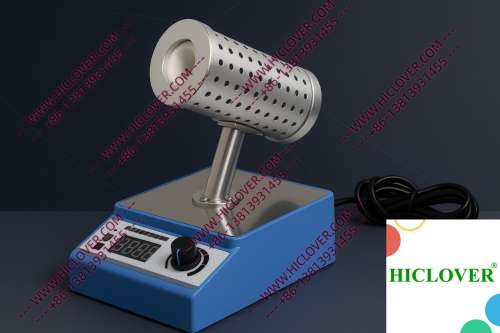
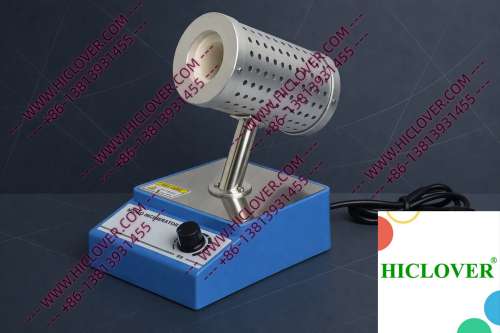
The Micro Incinerator, specifically the Infrared Inoculating Loop Sterilizer, utilizes advanced infrared heat technology to deliver rapid thermal sterilization. Unlike traditional flame sterilizers—such as alcohol lamps and Bunsen burners—this innovative device comprises an enclosed ceramic heating chamber that ensures high-temperature disinfection without the risks associated with open flames. The infrared heating technology provides a consistent and controlled temperature, allowing for effective sterilization of inoculating loops and other lab instruments.
Advantages Over Traditional Flame Sterilizers
- Safety: Eliminates open flames, reducing the risk of accidents in clean rooms.
- Efficiency: Rapid heating and cooling cycles enhance workflow, minimizing downtime.
- Contamination Control: Provides an aerosol-free handling environment, ensuring lower risk of airborne pathogens.
- Versatility: Suitable for various lab applications, including field testing and mobile labs.
Application Scenarios in Real Labs
1. Teaching Labs in Universities
In educational settings, micro incinerators have found their niche in teaching laboratories where students learn about microbiology. They replace traditional flame sterilizers, allowing students to focus on practical procedures without the distraction and hazards of open flames. With a Micro Incinerator, instructors can ensure a safer learning environment while reinforcing the importance of contamination control and sterilization protocols.
2. Field Testing Laboratories
For field testing applications, where mobility and adaptability are crucial, the compact and efficient design of the Micro Incinerator is a game changer. In rural or remote locations, researchers can conduct experiments with confidence, knowing that reliable sterilization is at their fingertips. By utilizing infrared technology, these incinerators can quickly sterilize equipment—improving workflow efficiency and ensuring compliance with biological safety standards.
Compliance and Environmental Concerns
Global health organizations, such as the World Health Organization (WHO), emphasize the importance of strict biosafety standards in laboratory settings. The shift towards Micro Incinerators aligns well with these guidelines, particularly in high-risk labs where open flames can pose significant health hazards. In clean rooms, the absence of flame is not just a preference; it is essential to meet safety standards and prevent contamination risks.
Moreover, as regulatory bodies tighten guidelines surrounding laboratory sterilization equipment, the Micro Incinerator stands out as an industry leader in compliance. Its design negates many risks associated with traditional flame methods, ensuring laboratories remain within operational standards while achieving high levels of sterilization efficiency.
Comparison: Micro Incinerator vs. Flame Burners
| Feature | Micro Incinerator | Flame Burners |
|---|---|---|
| Safety | No open flame; reduces fire hazards | Open flames can cause burns and fire risks |
| Contamination Control | Aerosol-free handling; sterile environment | Potential for airborne contaminants |
| Speed of Sterilization | Rapid thermal sterilization | Variable; longer heating times |
| Versatility | Ideal for a variety of applications | Limited to specific tasks |
Frequently Asked Questions
1. What is a Micro Incinerator, and how does it work?
A Micro Incinerator is a sterilization device that uses infrared heat technology enclosed in a ceramic tube to achieve rapid and controlled thermal sterilization of laboratory instruments, enhancing safety and efficiency.
2. Why should labs consider replacing flame sterilizers?
Micro Incinerators offer several advantages over flame sterilizers, including enhanced safety, efficient contamination control, and quicker sterilization times, making them ideal for modern laboratory environments.
3. Are Micro Incinerators compliant with WHO standards?
Yes, Micro Incinerators are designed to meet or exceed WHO biosafety and laboratory sterilization standards, ensuring that laboratories operate within regulatory guidelines while maintaining high operational safety.
4. Can I use a Micro Incinerator in a biosafety cabinet?
Yes, Micro Incinerators are clean-bench-safe and can be effectively utilized within biosafety cabinets to enhance safety while conducting sterile techniques.
5. How does the Micro Incinerator handle different applications?
The Micro Incinerator is versatile, suitable for various applications including mobile lab testing, teaching environments, and clinical diagnostics, making it a valuable addition to any laboratory setting.
Conclusion
Perth’s laboratories are leading the way in revolutionizing waste management and sterilization practices by adopting Micro Incinerators. Beyond addressing the practical challenges of laboratory biosafety, these devices align with modern compliance standards and enhance workflow efficiencies. We invite you to explore our range of Micro Incinerators and discover how they can transform your laboratory’s sterilization processes. For further details or inquiries, feel free to get in touch with us for competitive pricing and expert advice!
Categories:
Tags: